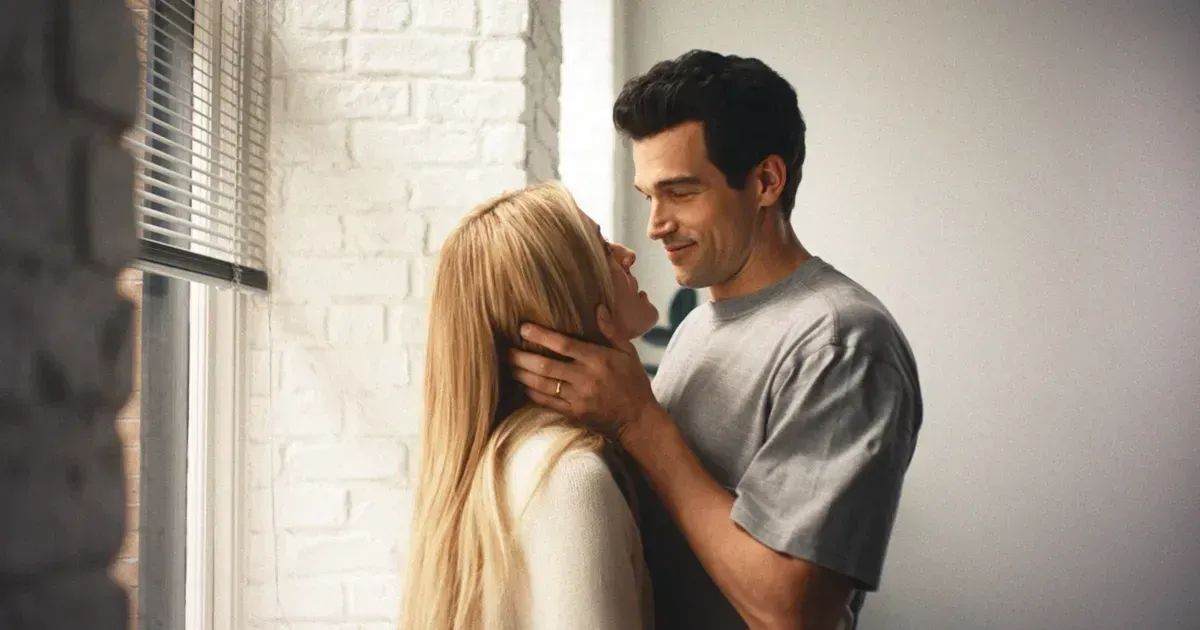
Sunita Kumar Nair spent nights awake questioning a pair of silk pajamas. As the primary fashion consultant on the high-profile miniseries Love Story: John F. Kennedy Jr. & Carolyn Bessette, she understood that the stakes involved more than simple costuming as the drama revived Bessette Kennedy style. The production aims to recreate the hyper-particular aesthetic of the mid-nineties, a period defined by the minimalist elegance of its titular subjects. Nair eventually rejected the original sleepwear provided for the character of Carolyn Bessette Kennedy, fearing the garments lacked the precise lived-in quality required for the role. This meticulousness drove the production team to source authentic fabrics that mirrored the high-fashion archives of the era. Minimalism is a hard master. Achieving the effortless look famously sported by Bessette Kennedy requires a rigorous attention to detail that borders on the obsessive. Nair noted that the original pajamas felt staged, whereas the real Carolyn possessed a natural nonchalance even in her private moments. The consultant eventually secured a particular silk blend that draped with the fluidity seen in archival paparazzi photos. Every button and seam underwent scrutiny to ensure historical accuracy for the Ryan Murphy production. Sunita Kumar Nair refused to settle for anything less than stylistic perfection.
Costume Detail Carries the Role
Nair brings a specialized background to the set, having previously authored a definitive visual biography of Bessette Kennedy. Her expertise focuses on the intersection of public persona and private style. For the miniseries, she had to translate static images into a functional wardrobe for Sarah Pidgeon, the actress tasked with portraying the fashion icon. The challenge lay in recreating outfits that were often simple but constructed with architectural precision. Nair focused heavily on the muted palette of black, camel, and white that defined the Bessette Kennedy brand. The original pajamas became a point of pressure because style is often a burden in a production built around visual memory. During the wardrobe selection process, Nair examined hundreds of items to find pieces that conveyed the correct social and economic subtext. The character of Carolyn Bessette Kennedy often wore labels like Prada, Yohji Yamamoto, and Ann Demeulemeester.
Bessette Kennedy Style Returns Online
Casting the role of a woman often described as the most photographed person of her decade presented a unique hurdle for the producers. Sarah Pidgeon emerged as the choice due to her ability to mimic the particular gait and reserved posture of the late publicist. Pidgeon worked with movement coaches to capture the way Bessette Kennedy walked through the streets of Tribeca, often with her head tilted down to avoid the cameras. This visual echo fuels the digital interest in the series among younger viewers who never lived through the original news cycle. The camera never forgets a silhouette.
Meanwhile, the fashion world has seen a surge in creators who bear a striking resemblance to both Pidgeon and Bessette Kennedy. A blonde model recently gained viral status for her ability to recreate the iconic nineties look with startling accuracy. This digital mimicry suggests a broader cultural longing for the pre-internet era of celebrity, where mystery still played a role in public image. Creators often use Pidgeon as a contemporary reference point for achieving the Bessette Kennedy look. They focus on the particular makeup techniques, such as the matte skin and brown-toned lipsticks, that dominated the mid-nineties beauty market.
But the resurgence of this style goes beyond simple imitation. It is a rejection of the loud, logocentric fashion of the early 2020s. The Bessette Kennedy aesthetic relies on the quality of materials and the integrity of the cut. Narciso Rodriguez, who designed her wedding dress, famously noted that her style was about the person, not the clothes. The philosophy remains central to the costume design of the new series. The production team sourced several original pieces from the Rodriguez archives to ensure the wedding scene met the expectations of fashion historians. The dress itself required six fittings to achieve the perfect bias cut. Ryan Murphy has built a career on deconstructing American icons, and this project continues that path. He focuses on the intense media pressure that surrounded the couple from their secret wedding until their deaths in 1999. The script examines how Bessette Kennedy struggled to find her footing within the rigid expectations of the Kennedy family. Producers spent considerable resources recreating the couple's apartment on Moore Street to provide a claustrophobic contrast to their public appearances. The obsession with the past defines modern television production. The sets include period-accurate magazines and household items from the late nineties.
Cultural critics argue that the fascination with this particular couple stems from their position as the last true American royalty before the social media age. Their story ended abruptly, leaving a void that fashion and film now attempt to fill. The miniseries does not shy away from the darker aspects of their relationship, including the intense scrutiny from the paparazzi. Producers used actual headlines from the period to ground the fictionalized drama in historical reality. The show focuses on the year 1996 as a point of high drama for the couple. Filming concluded in New York City after four months of principal photography.
Nostalgia Can Turn People Into Products
Why does a woman who spent her life dodging photographers remain the primary target of our collective digital gaze? The obsession with Carolyn Bessette Kennedy, now revitalized by a Ryan Murphy production and a fleet of TikTok lookalikes, suggests a disturbing necrophilic trend in modern consumer culture. We are not only celebrating a fashion icon; we are commodifying the ghost of a woman who was ultimately hounded to her death by the same voyeuristic impulses we now call aesthetic inspiration. The project attempts to monetize the tragedy of the Kennedy name while masquerading as a high-fashion retrospective.
While Sunita Kumar Nair frets over the pressure of silk pajamas, the real story lies in our inability to let the dead rest without turning them into a mood board. The casting of Sarah Pidgeon is a masterstroke of visual manipulation designed to trigger a Pavlovian response in a demographic that romanticizes a decade it never experienced. We claim to admire the minimalism, but we are actually addicted to the myth of the tragic blonde.
The industry continues to mine the archives of the deceased because it is easier to sell a pre-packaged tragedy than to build a living icon of equal weight. Authenticity is dead, and we have replaced it with a perfectly tailored bias-cut shroud.