Aviation and travel analysts described a period in which aging passenger demographics and soaring energy costs are reshaping the international travel market. Research from the United States highlights a growing logistical crisis as the median age of airline passengers climbs to record levels. While younger travelers dominate the leisure market during summer months, off-season flight manifests increasingly feature seniors with complex mobility and medical needs. The April 4, 2026 travel data tied older passengers and fuel costs to the same sector squeeze. These shifting demographics create distinct operational challenges for flight crews and ground staff alike. Aviation safety experts now point to a correlation between aging passenger populations and increased emergency diversions. Safety systems designed for a younger, more mobile public now struggle to accommodate the physical limitations of an older demographic during rapid evacuations.
Physical bottlenecks at boarding gates have doubled since the start of the decade. Airlines report that the time required to seat a full cabin has increased by 14 percent since 2022. This slowdown largely stems from the use of folding wheelchairs and the stowage of medical devices in overhead bins. Narrow cabin aisles prevent cabin crew from moving quickly when passengers require medical assistance. Data from the Federal Aviation Administration shows a 22 percent rise in mid-air medical emergencies involving respiratory distress or cardiac events. Most aircraft carry basic medical kits, yet these kits lack the advanced diagnostic tools necessary for managing chronic conditions common among travelers over the age of seventy.
Emergency protocols rely on the speed of passenger movement. Evacuation simulations conducted in late 2025 revealed that cabins with a 30 percent senior population failed to meet the mandatory 90-second exit requirement. Older passengers often struggle with the physical height of emergency slides or the dexterity required to operate exit row handles. Regulators are considering new mandates that would limit the number of mobility-impaired passengers allowed in specific cabin sections. Airlines resist these measures due to the potential loss of high-yield revenue from retired travelers who often purchase premium seating. Cabin crew unions have already petitioned for mandatory geriatric care training to address the increasing frequency of in-flight health crises.
Demographic Shifts and Safety Risks for Airlines
Risk profiles for major carriers are changing as medical diversions cost an average of $35,000 per incident. A single unscheduled landing for a transatlantic flight can consume five tons of excess fuel and disrupt the schedules of hundreds of connecting passengers. Insurance premiums for airlines are rising to account for these unpredictable medical liabilities. Carriers in the United States are testing wearable health monitors for passengers who opt-in for priority boarding. Such devices would theoretically alert the cockpit to a health crisis before it becomes a life-threatening event. Privacy advocates argue that these health-tracking initiatives infringe on passenger rights, though the industry maintains that safety must outweigh personal data concerns.
Ground operations are also feeling the strain of an aging population. Airports require more electric carts and elevators than ever before. Terminals built in the 1980s or 1990s lack the spatial capacity for the sheer volume of mobility aids now entering the system. Congestion at security checkpoints increases when travelers require manual screening due to pacemakers or joint replacements. Security personnel report that the average screening time for a senior traveler is nearly triple that of a business traveler. These delays ripple through the entire hub-and-spoke system, causing missed connections and logistical friction at major international gateways. Petroleum prices are simultaneously squeezing the other major foundation of the travel industry. Rising tensions in Iran have pushed crude oil to its highest level in four years. Energy analysts note that the disruption of shipping lanes in the Persian Gulf has forced tankers to take longer, more expensive routes. Fuel costs represent roughly 30 percent of the operating expenses for a modern cruise ship. When Brent crude fluctuates, maritime operators face immediate pressure to protect their profit margins. Many companies are now invoking fuel surcharge clauses that allow them to charge passengers additional fees even after a booking is fully paid. This practice has sparked outrage among travelers who booked vacations months in advance under different economic conditions.
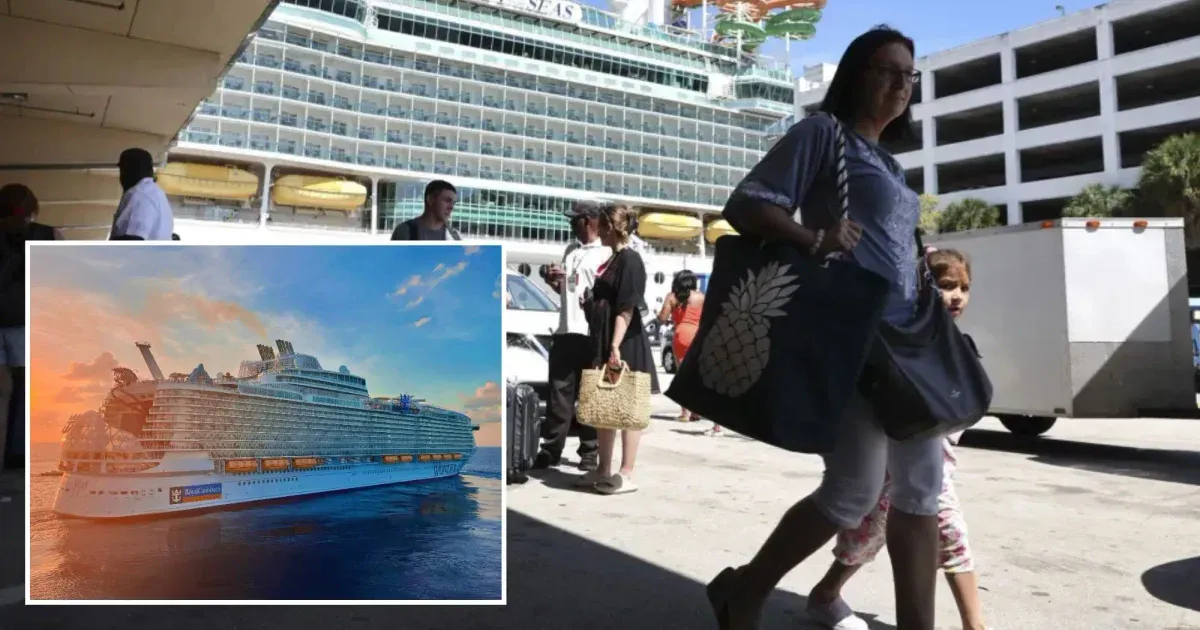
Royal Caribbean recently notified its passengers that a daily fuel supplement would be added to all upcoming itineraries. These charges often range from $10 to $15 per day, depending on the length of the voyage and the ship's engine efficiency. Passengers find themselves in a difficult position because these fees are often non-negotiable under standard contract terms. Maritime law provides cruise lines with broad leeway to adjust pricing in response to global energy crises. Travel agents report a surge in cancellations as budget-conscious families realize their total vacation cost has jumped by hundreds of dollars overnight. Industry insiders suggest that the practice will likely become a standard across all major cruise brands within the next quarter.
Researchers warned that unmanaged medical crises among an aging passenger population could compromise safety across the cabin.
Legal challenges to these surcharges have historically failed in maritime courts. Contracts of carriage explicitly state that fuel supplements can be applied if the price of oil exceeds a certain threshold. Most travelers do not read the fine print of these 50-page agreements before clicking the accept button. Consumers are now demanding more transparency in how these fees are calculated. There is little oversight to ensure that the surcharges accurately reflect the actual increase in fuel costs. Some analysts suspect that cruise lines use energy volatility as a pretext to strengthen their bottom lines during periods of low occupancy. Passenger dissatisfaction is reaching a boiling point as the total cost of cruising rivals that of luxury land-based resorts.
Older Travelers Need Flexible Support
Airlines also have to adapt service for older travelers who may need more flexible boarding, insurance and medical support during disrupted trips.
Travel Sector Faces Fuel and Age Pressure
Travel demand is still strong, but older travelers and fuel prices are forcing companies to rethink costs. Airlines, tour operators and insurers now have to sell flexibility as much as destinations.