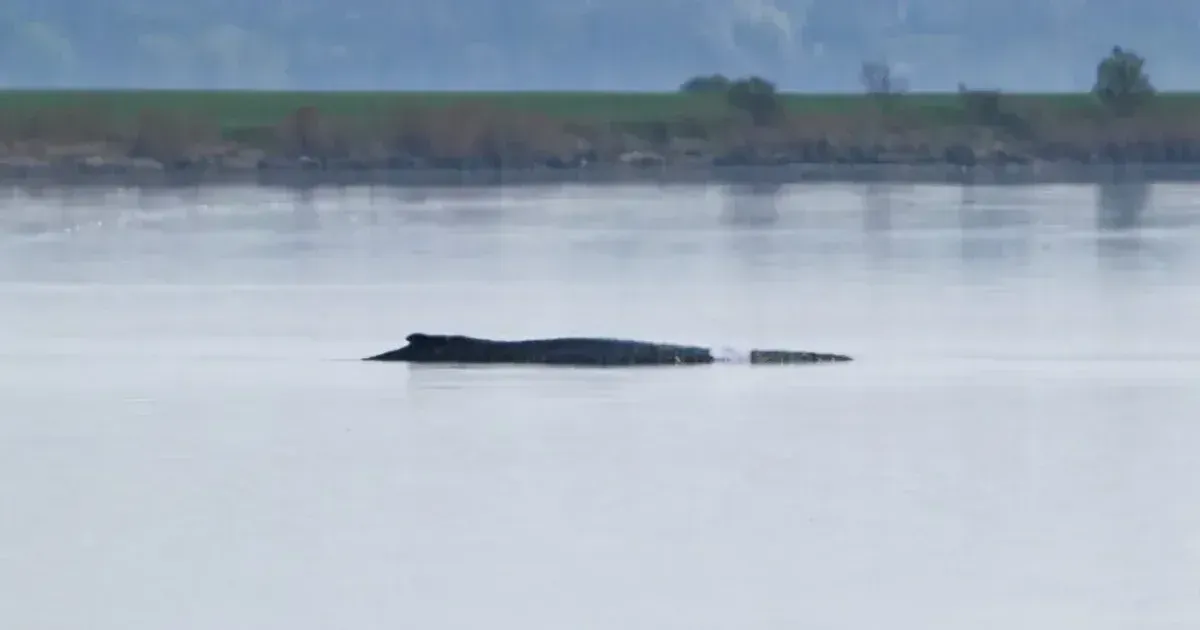
Marine researchers are tracking a surge in vessel traffic around the southern tip of Africa as cargo ships avoid the Red Sea route. Global shipping companies began sending more fleets around the Cape of Good Hope in late 2023, after security risks made the Suez Canal corridor less predictable. By May 11, 2026, conservation scientists were warning that the detour had moved industrial traffic into waters used by several vulnerable whale populations. The rerouting problem also shows how human conflict can push environmental risk into quieter ocean corridors.
The concern is not simply that more ships are passing South Africa. It is that the new route overlaps with feeding, breeding and calving areas for Southern Right whales, humpback whales and other large marine mammals. Many of these animals rest or travel near the surface, where deep-draft hulls can strike them before crews ever see a blow or dorsal fin.
Traffic Shift Raises Strike Risk
Researchers and maritime monitors say large-vessel traffic near the Cape has risen sharply compared with the period before the Red Sea disruption. Some reports describe a near-tripling of transits in busy corridors, though the risk varies by season, vessel class and distance from shore. Even a smaller increase can matter because whale recovery depends on adult survival and calf protection in narrow habitat windows. The problem is hardest to manage when the same coastal waters are used by migrating animals, port-bound ships and long-haul vessels trying to keep global schedules intact.
Ship strikes are one of the clearest human-driven threats to large whales worldwide. The danger rises when ships move quickly, visibility is poor or crews lack real-time warnings about animal presence. A container ship traveling at 15 knots can turn a collision into a fatal event, while slower speeds give whales and crews a better chance to avoid contact. That is why conservation groups often push speed reductions before they ask for full route closures: a slower ship can still deliver cargo, but the probability of a deadly impact drops.
The Red Sea detour also adds distance to voyages, often forcing operators to balance fuel costs, charter schedules and delivery deadlines. When ships try to recover lost time, speed becomes a commercial decision with ecological consequences. That tradeoff is now playing out in waters that were not designed to absorb a long-term rerouting of global trade.
Noise Adds a Second Pressure
Collision risk is only part of the problem. Large ships produce low-frequency engine and propeller noise that travels far underwater, especially in open-ocean conditions around the South Atlantic and Indian Ocean approaches. Whales use sound to navigate, find mates and maintain contact between mothers and calves, so a busier soundscape can disrupt behavior even when no strike occurs.
Hydrophone monitoring gives scientists a way to measure that change. Researchers are watching whether baseline noise levels rise as diverted traffic becomes routine rather than temporary. Resident species such as Bryde's whales may be especially exposed because they cannot simply abandon familiar feeding grounds without losing access to food, shelter or reproductive habitat. Calving areas create an added concern because mothers and calves are slower, less predictable and more vulnerable to stress during close vessel encounters.
Noise can also push animals into less protected areas. A whale avoiding heavy engine sound may move closer to fishing gear, port approaches or other shipping lanes. That chain reaction makes the Red Sea conflict an environmental issue far beyond the region where missiles, insurance rates and naval patrols dominate the headlines.
The burden lands on marine protected areas that were not built for this kind of shock. Many protections focus on fishing, mining or local disturbance, while international shipping lanes remain governed by separate maritime rules. When a war-related trade shift sends more traffic into whale habitat, conservation agencies may have limited authority to force route changes quickly. That delay matters because shipping patterns can change in weeks, while formal conservation rules often take months or years to revise.
Shipping Rules Need to Adapt
The most practical response is not to ask global trade to stop moving. It is to make the detour less lethal while it lasts. Dynamic speed limits, seasonal route adjustments, whale-alert systems and better data sharing between ports, scientists and shipping companies could reduce the risk without closing the Cape route entirely. These tools are already familiar in other whale corridors, which makes the question less about invention than about political will and enforcement.
Those measures require coordination because no single port controls the full corridor. South African authorities, the International Maritime Organization, conservation bodies and major carriers would need to align on when and where extra protections apply. The same system could be switched on during future disruptions, giving maritime regulators a way to respond when conflict shifts traffic into sensitive habitat.
The broader lesson is that supply-chain resilience has environmental costs when it is treated only as a logistics problem. Rerouting around the Cape has helped carriers avoid the Red Sea, but it has also transferred pressure to ecosystems that had no role in the conflict. Whales are not part of the trade dispute, yet they are now exposed to the noise, speed and density decisions that keep goods moving. That makes the Cape route a test of whether emergency trade workarounds can include ecological safeguards from the start.
If the diversion becomes permanent, whale protection will need to become part of crisis shipping policy rather than an afterthought. The alternative is a global trade system that can dodge one danger only by creating another in the water.