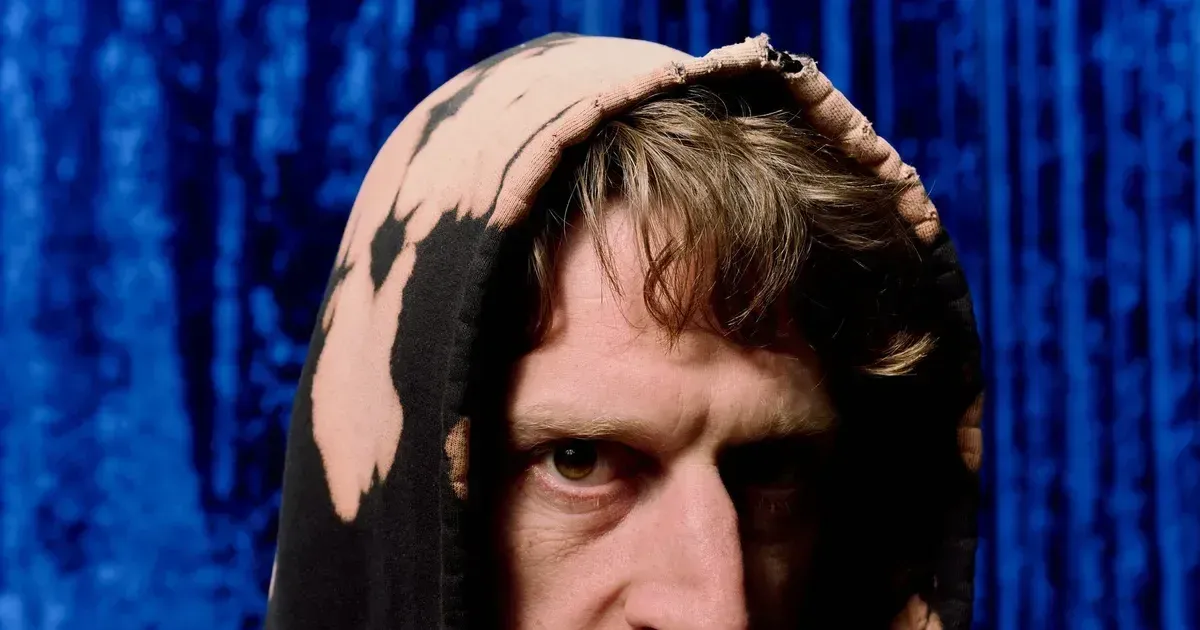
Simon Hanes is moving against the small-scale economics of modern music.
The Gargantua session turns literary excess, volcanic imagery and a large New York ensemble into one expensive statement. The risk is artistic, logistical and financial at the same time. That combination gives the session its unusual weight.
Simon Hanes entered a recording studio on April 6, 2026, to document his expansive Gargantua project with a 15-piece ensemble. His New York recording sessions mark a culmination of years spent navigating the city's experimental music circuit. The composer, often identified with the wilder edges of the downtown scene, has moved beyond his previous garage-punk and Italian film score pastiche work. This specific effort focuses on an enormous instrumental suite that draws inspiration from natural catastrophes and classic literature.
Musicians gathered in the booth brought an array of brass, woodwinds, and percussion to execute what Hanes describes as an anarchic tribute to excess. Sixteen discrete microphones were positioned to capture the shifting textures of a 15-person group that functions more like a chaotic chamber orchestra than a standard jazz band. Simon Hanes has previously led the Tredici Bacci ensemble, but observers note that Gargantua involves a darker, more volatile sonic palette. Each movement reflects a different structural instability. Capturing the session required precise logistical planning at a time when funding for large-scale avant-garde recordings remains scarce. Instead of following traditional notation exclusively, Hanes used graphic scores and verbal instructions to elicit specific timbres from his players. New York remains the primary hub for this brand of genre-blurring performance despite the rising costs of rehearsal space. Performers arrived from various boroughs, carrying instruments through a cold spring morning to meet the rigorous tracking schedule.
Rabelaisian Satire and Dantean Darkness
Dante Alighieri and François Rabelais provide the literary pillars for this recording. Hanes reportedly spent months studying the satirical excess of Rabelais' 16th-century prose, specifically the giant characters who consume entire worlds. The music attempts to mirror that gluttony through dense orchestrations and overlapping melodic lines that threaten to collapse under their own weight. Unlike his earlier pop-inflected work, these pieces prioritize dissonance and sudden shifts in volume. A single movement might transition from a whisper to a deafening roar within three measures.
Rabelaisian humor manifests in the absurd instrumental pairings found throughout the score. A tuba may find itself in a frantic dialogue with a glockenspiel, mimicking the grotesque physical comedy found in the source text. Gargantua is a vessel for these explorations of scale and appetite. Dante provides the counterweight, offering a structural descent into darker, more claustrophobic musical spaces. Critics often categorize such works as unclassifiable, yet Hanes embraces the label of an anarchist composer.
Dantean influences appear most clearly in the subterranean frequencies used during the middle sections of the suite. Bass clarinets and bowed double basses create a sense of inevitable descent. These sections lack the frantic energy of the Rabelais-inspired movements, focusing instead on stasis and tension. Listeners may find the contrast jarring, but the composer views the two authors as complementary forces in his creative process. Production staff noted that the atmosphere in the studio shifted visibly when the ensemble began the darker segments.
Experimental Sounds in New York Recording Studios
Sound engineers struggled to balance the sheer volume of the 15-piece group without losing the complex details of the arrangement. Digital recording technology allowed for $50,000 worth of high-end preamps to be used in capturing the subtle vibrations of the woodwind section. New York studios have seen a decline in large-ensemble bookings, making the Gargantua session a rarity in the current economic climate. Hanes opted for a room with high ceilings to allow the natural resonance of the brass to breathe. Microphones were placed at varying distances to simulate the acoustics of a cathedral.
While the recording process was disciplined, the compositions themselves invite a degree of calculated unpredictability. Hanes encouraged his players to push their instruments to the point of mechanical failure. Reeds squeaked and brass valves clattered, sounds that many producers would scrub in post-production. Hanes insisted on keeping these artifacts to maintain the visceral feel of a live performance. The result is a recording that feels inhabited by physical bodies rather than polished by software.
According to the New York Times, Hanes' work nods to volcanoes, Rabelais and Dante.
Precision was required for the interlocking rhythms that define the opening of the suite. Musicians had to wear headsets to sync with a click track that shifted time signatures every eight bars. Despite these constraints, the group maintained a loose, swinging feel during the jazz-inflected passages. Hanes stood in the center of the room, conducting with a frantic energy that mirrored the complexity of the score. One observer described the scene as a controlled explosion of sound and sweat.
Volcanic Inspiration and Instrumental Complexity
Volcanology provided the third thematic element for the session. Hanes discussed the concept of subterranean pressure throughout the day, urging his brass players to mimic the sound of escaping gas and shifting tectonic plates. The composition does more than describe a volcano; it attempts to function like one. Quiet passages represent the deceptive calm of a dormant peak; by contrast, the crescendos represent the eventual eruption. Gargantua uses these geological metaphors to explore the fragility of human structures. Scientific diagrams of magma chambers reportedly decorated the walls of the tracking room. Hanes used these images as visual aids to explain the flow of the music to the percussionists. One movement, titled after a specific volcanic vent, requires the drummer to use chains and metal sheets instead of traditional cymbals. This tactile approach to sound design separates the project from more academic forms of contemporary classical music. The composer avoids the sterility of the conservatory in favor of a more primitive, elemental force.
Volcanic ash is a metaphor for the aftermath of the musical performance. Hanes wants the listener to feel as though something has been permanently altered or destroyed by the end of the suite. The final movement ends with a long, decaying note from a single cello, representing the silence that follows a catastrophe. This ending provides a stark contrast to the opening cacophony. No resolution is offered to the audience, only the reality of the void. 15 musicians held their breath as the final take concluded in silence.
New York audiences have long supported Hanes, but this project tests the limits of his fans' endurance. The suite clocks in at over seventy minutes, demanding a level of focus that is rare in the streaming era. Marketing for the release will focus on the physical nature of the recording, emphasizing the use of analog tape for the final mix. Hanes believes that the warmth of tape is necessary to convey the heat of the volcanic themes. Final mastering will take place in London later this month.
Large-Ensemble Gamble
Does the world really need another seventy-minute avant-garde suite inspired by 16th-century giants? Simon Hanes seems to think so, betting his reputation and a meaningful recording budget on a project that defies every modern metric of commercial viability. While his peers are shrinking their ensembles to fit the meager budgets of the Spotify age, Hanes is expanding, doubling down on a 15-piece monstrosity that is as expensive to tour as it is to record. It is not just art; it is a middle finger to the efficiency-obsessed music industry.
The reliance on Rabelais and Dante suggests a retreat into the ivory tower, yet the music remains stubbornly unpolished and aggressive. The contradiction is the core of the Hanes brand. He manages to occupy the space between the highbrow intellectualism of the experimental scene and the raw, unwashed energy of a basement punk show. Whether this hybrid can survive outside the insular bubble of the New York downtown scene is another matter entirely. The financial reality of moving 15 musicians across state lines will likely keep this masterpiece confined to a few coastal enclaves. Hanes is a relic. He is a composer who still believes in the power of the Big Statement at a time of 15-second TikTok hooks. His insistence on volcanic themes and literary giants feels almost quaint, yet the sheer volume of his ambition cannot be ignored. We are looking at a creator who refuses to be ignored, even if he has to scream over his own 15-piece orchestra to get his point across. It is a vanity project of the highest order.
Whether Gargantua becomes a career-defining triumph or an expensive dead end will depend on whether listeners follow Hanes beyond New York. Getting a 15-piece ensemble onto tape is already a defiant achievement, but ambition alone will not make the work sustainable.