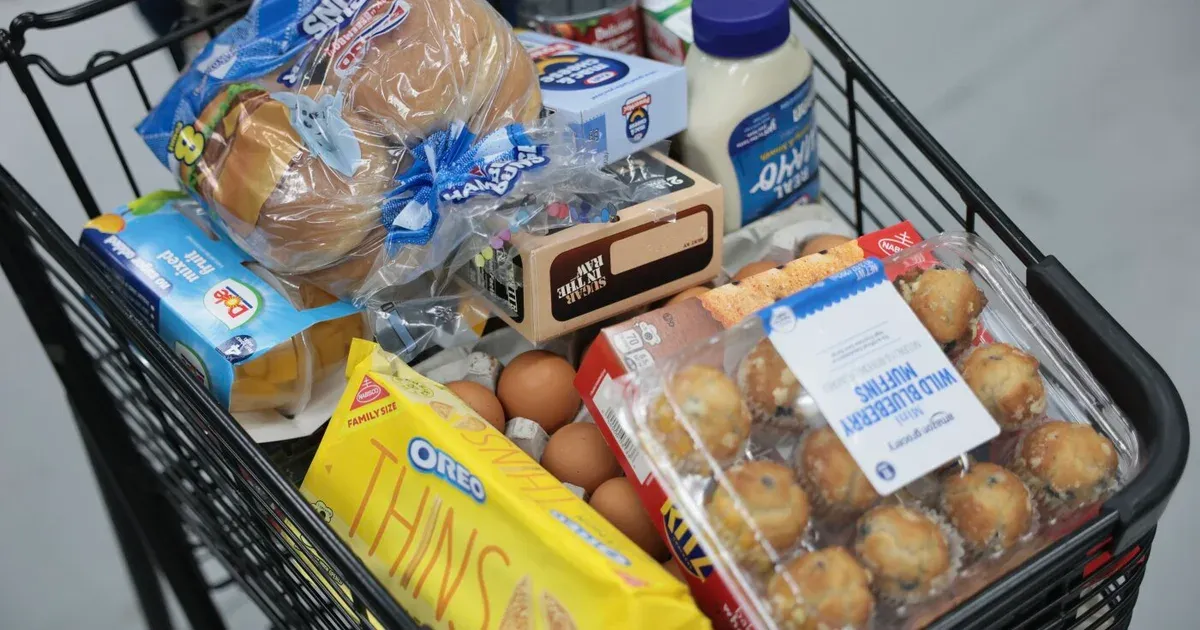
Participation in the Supplemental Nutrition Assistance Program has fallen by more than four million people in less than a year, even before the largest financing changes in the federal food-aid law take effect. Children account for a substantial share of the decline recorded by states, while food banks and state agencies report heavier pressure; because SNAP remains the country's largest food-assistance system, the speed of that reduction reaches well beyond a single eligibility category.
NPR detailed the trend on August 3, 2026, using preliminary Agriculture Department figures and analyses from policy organizations. An average of 42 million people received SNAP benefits each month last year, compared with 37 million in April. The Center on Budget and Policy Priorities calculated an 11% decline from last July through April, producing more than four million fewer participants over that span. Last year's average represented about one in every eight Americans.
The cause is disputed. The Agriculture Department told NPR that participation moves for many reasons and that the decline cannot be assigned to one policy. Agriculture Secretary Brooke Rollins has also suggested that a stronger economy and the removal of ineligible recipients contributed. CBPP analyst Katie Bergh pointed instead to mostly flat unemployment, rising food prices and new administrative barriers as evidence that need has not disappeared at the same pace. The disagreement matters because it changes whether officials read the falling rolls as success or as eligible households losing access.
New Work Rules Broaden the Eligibility Test
The One Big Beautiful Bill Act expanded the group required to document at least 80 hours of work or volunteer activity each month. The rule now reaches veterans, homeless people, young adults leaving foster care, parents whose youngest child is between 14 and 17, and adults ages 55 through 64. CBO's ten-year estimate attributes an average monthly caseload reduction of 2.4 million people to the expanded work provisions.
The law also ended federal eligibility for several small groups of noncitizens, including refugees, asylum seekers and survivors of domestic abuse or trafficking. Nearly all SNAP recipients are native-born or naturalized citizens, according to federal data cited by NPR, so that restriction does not explain the entire national drop. It does, however, show that the participation change combines several distinct policy channels rather than one removal process. Eligibility rules and the ability of an agency to process proof on time can remove different households for different reasons.
Arizona Shows the Front Edge of the Decline
Arizona has experienced the sharpest fall described in the report. Enrollment there is about half its level from a year earlier, with more than 400,000 fewer participants. The Arizona Food Bank Network says monthly food-bank visits now exceed the number of people enrolled in SNAP, an inversion that local providers view as an early warning for other states. That comparison also shows why private food distribution cannot be assumed to absorb every household leaving the federal program.
Louisiana, Florida and Oklahoma also recorded steep declines. In the 19 states that supplied child-level data to CBPP, more than one million children stopped receiving benefits since last July. State processing capacity is part of the problem: 15 of 39 states responding to an Urban Institute and American Public Human Services Association survey said they were prioritizing payment accuracy over sending benefits on time. Staffing pressure, application backlogs and repeated document requests can turn compliance work into a loss of aid even when a household still needs help buying food.
October Cost Shift Puts State Participation on the Line
The next phase changes who pays to operate SNAP. Until now, federal and state governments divided administrative expenses equally. Starting in October, Washington will cover 25% and states will carry 75% of administrative expenses. Georgetown University's Center on Poverty and Inequality projects that maintaining current operations could require state SNAP outlays to rise to two or three times their present level. That pressure can surface through taxes, reductions elsewhere or tighter food-aid rules. Those choices arrive while agencies are already managing backlogs and more demanding verification work.
A second transfer begins in October 2027. States with payment error rates of at least 6% will have to contribute to the cost of benefits, which the federal government previously paid in full. For nearly half the states, CBPP calculates the resulting annual obligation at no less than $100 million apiece. The Agriculture Department says improper SNAP payments totaled $10 billion last year, while Bergh cautions that the error measure often captures unintentional mistakes by eligibility workers and families, not only fraud. Overpayments and underpayments both count, including errors caused by a typo, a misapplied rule or uncertainty about what a household had to report.
"There's no replacement for SNAP if a state gets rid of it," Children's Defense Fund President Starsky Wilson said.
The 39-state survey found that 29% may consider tightening eligibility further and 11% may pause or withdraw from SNAP if the new costs become unmanageable. Those decisions would extend the impact beyond benefit cards. The National Grocers Association projects nearly $88 billion in lost grocery sales through 2034 as SNAP purchasing declines, tying local retailers to the same budget decisions facing recipients and states. The funding choices will determine whether the current participation fall remains an access problem or becomes a broader contraction in the country's main food-assistance system.