SNL UK's second episode tried to prove that the format can survive translation by leaning into a target British viewers already understand. The March 29, 2026, broadcast opened with Prince Andrew satire, then used Jamie Dornan's hosting turn and topical desk jokes to test how local the London version wants to be.
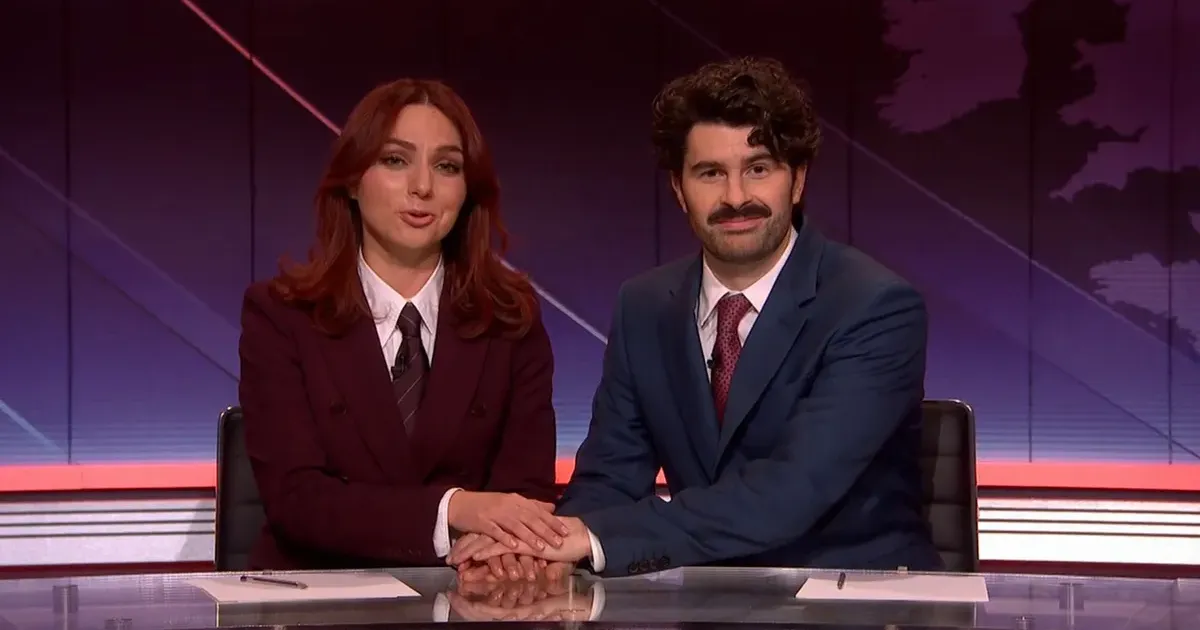
The Prince Andrew cold open was the clearest statement of intent. Instead of treating the royal material as background noise, the show made it the entry point, framing the Duke of York through a deliberately exaggerated MI5 premise. The joke depended on audience familiarity with scandal, monarchy and the British appetite for institutional farce.
That choice made sense for a young franchise. A new sketch show needs a recognizable target before it can ask viewers to invest in recurring characters.
Jamie Dornan Gives the Episode Shape
Dornan's role as host helped soften the episode's sharper political edges. His monologue about a strange rock-collecting hobby gave the show a lower-stakes rhythm after the cold open. It also let the episode move away from pure headline parody and toward personality-driven comedy.
That balance matters because SNL formats can become exhausting if every sketch chases the news cycle. A host who can play against his screen image gives writers room to build smaller premises and less obvious punch lines.
The episode still depended heavily on topical recognition.
Weekend Update Sets the Local Voice
Weekend Update gave Paddy Young a chance to define the program's news tone. The segment moved through Donald Trump, Iran-related material and other international headlines, showing that SNL UK does not intend to limit itself to domestic politics.
The risk is that global news jokes can feel imported if they are not filtered through a distinct British angle. The Prince Andrew material worked because it belonged to the show's home context. The international jokes need the same specificity to avoid sounding like a borrowed desk segment.
For now, the second episode shows a series still finding its center. Jack Shep's early breakout status and Dornan's steady hosting gave it momentum, but the long-term test is whether SNL UK can build characters and recurring voices strong enough to outlast any one royal scandal.
The episode also showed the pressure on a new sketch cast to create an identity quickly. A British SNL cannot simply reproduce the American cadence with local names pasted into the jokes. It needs sketches that understand Westminster, tabloids, class signals, celebrity culture and the awkward seriousness with which public institutions defend themselves. The Prince Andrew cold open worked because it sat inside that world. Future episodes will need more of that kind of specificity, especially once the novelty of the format fades. The best sign for the show is that individual performers are already beginning to register with viewers rather than disappearing behind the imported brand. That does not mean every sketch needs to be heavy with politics. In fact, the healthiest version of the show would mix royal, parliamentary and celebrity satire with stranger character pieces that have no headline dependency at all. The American original lasted because it built a repertory system, not because every cold open was perfect. SNL UK needs the same patience. The second episode suggests the writers know where the obvious targets are; the next stage is proving they can make viewers return for the cast's comic world rather than for the news subject of the week. That is the difference between a topical launch and a sustainable sketch program. In that sense, the Prince Andrew sketch was a useful starting point rather than a finished identity. It gave the episode a local target; the cast now has to turn that attention into repeatable comic authority. The cast's challenge is also tonal. British satire can be drier, meaner and more institutionally aware than the American version, while live sketch television rewards broad timing and fast recognition. Finding the middle will take more than one strong cold open. It will require writers to trust local references without explaining them and performers to make recurring figures feel specific rather than generic. That is where a durable version of the show will either emerge or stall.