Sarah House, the Food Innovation Chef at Bob's Red Mill, asserted on April 24, 2026, that the longevity of professional-grade kitchenware depends more on rigorous maintenance than initial price points. Experts across the culinary sector note a shift toward high-durability maintenance and specialized tools popularized by viral digital content. Professional kitchens and home enthusiasts alike face the persistent challenge of polymerized oils and carbonized debris on aluminum surfaces. Proper cleaning protocols protect these investments from the degradation of frequent use. Neglecting these standards leads to premature equipment failure. Retailers will track whether that attention converts into repeat purchases.
Durability determines the ultimate value of any kitchen investment.
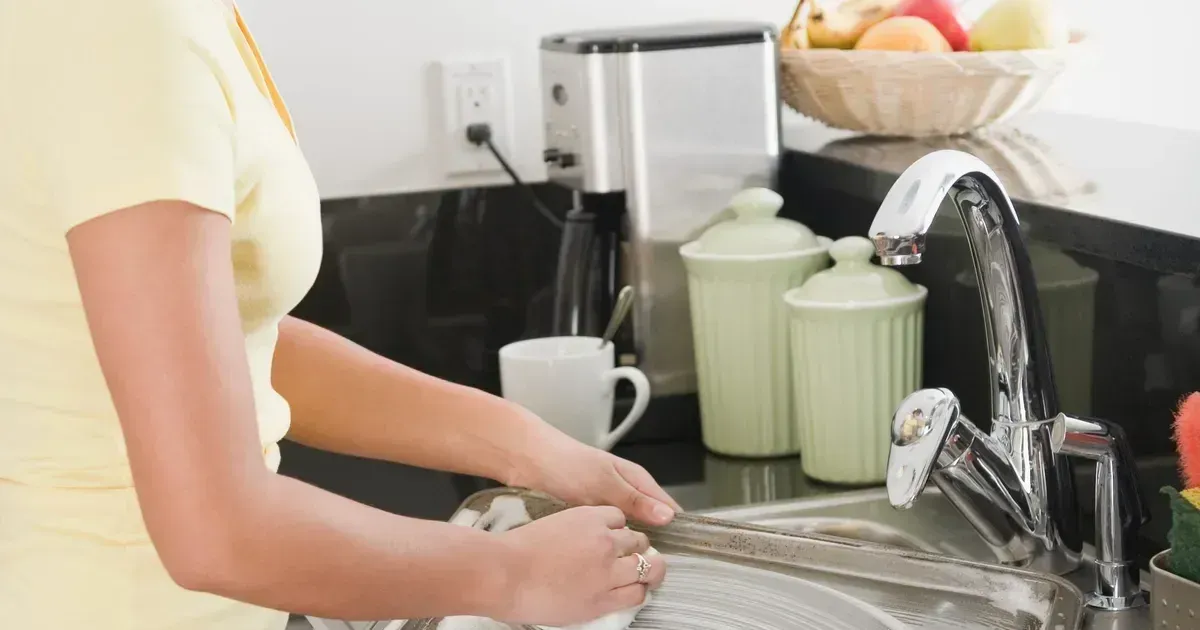
Metals used in baking sheets, primarily aluminum or aluminized steel, react to high-heat environments by trapping fats within microscopic surface pores. Sarah House suggests that hot water and dish soap remain the primary defense against routine buildup. Manual cleaning prevents the harsh chemical erosion often found in automated dishwashing detergents. Hand-washing preserves the structural integrity of the metal. Drying the equipment immediately prevents the onset of oxidation and rust.
Carbonized food particles often resist standard soap applications. Chef House recommends a 30-minute soak in hot, soapy water to loosen stubborn residues. Mechanical intervention becomes necessary when chemical surfactants fail. Coarse salt acts as a gentle yet effective abrasive when sprinkled over a damp pan. This method removes debris without scouring away the protective surface layer of the metal. Professional cooks prefer this technique to maintain the smooth finish required for consistent heat distribution.
Industrial Standards for Kitchenware Maintenance
Nonstick surfaces require a specialized approach to avoid damaging the fluoropolymer coating. High-quality nonstick pans enable easier food release but possess a finite lifespan dictated by user care. Sarah House emphasizes the vulnerability of these materials to sharp objects and abrasive cleaners. Soft sponges are the only approved tools for these delicate surfaces. Damage to the coating compromises both the performance and safety of the tool.
Nonstick baking sheets need to be cleaned carefully. As soon as there are cuts, cracks, or the coating begins to peel, they need to be tossed.
Regular inspections of the coating help identify early signs of failure. Once the underlying metal is exposed, the pan no longer provides a safe cooking environment. Bob's Red Mill maintains high standards for equipment used in its food innovation facilities to ensure product purity. Specialized cleaners or harsh scouring pads accelerate the degradation of nonstick properties. Maintaining a strict hand-wash-only policy extends the utility of these pans by several years. Retail markets are increasingly shifting their focus toward the long-term value and durability of consumer goods.
Social Media Impact on Tool Procurement
Consumer purchasing habits have moved toward specialized gadgets through the influence of TikTok and other visual platforms. One striking example is the $20 bagel guillotine, which garnered millions of views for its efficient design and safety features. Anna Popp, a long-term user of the device, noted that her tool has remained functional for nearly seven years. This longevity contradicts the typical perception of viral products as disposable novelties. Satisfying visual demonstrations of the product drive high engagement rates among young adults.
Safety remains a primary selling point for the guillotine-style slicer. Traditional knives pose a serious risk of injury when cutting dense, circular breads. The guillotine provides a stable base and a guided blade to ensure a uniform slice every time. Anna Popp received her slicer as a gift and integrated it into her daily routine through college and early adulthood. Reliable performance over such a long duration builds lasting brand loyalty among consumers. Market data indicates that products with high perceived utility and viral appeal maintain steady sales long after the initial trend peaks.
Chemical Efficacy in Surface Restoration
Restoring a heavily stained baking sheet to its original condition requires specific chemical reactions. Sarah House and other industry professionals acknowledge that various methods exist for removing deep-set grease. Baking soda combined with hydrogen peroxide creates a powerful oxidizing agent that breaks down polymerized fats. This paste must sit on the surface for several hours to be effective. The chemical bonds of the burnt oil dissolve, allowing for easy removal with a simple wipe. Such techniques prevent the need for expensive equipment replacement. Environmental factors also play a role in the efficacy of cleaning agents. Hard water minerals can interfere with soap performance, leaving a film on the metal. Sarah House advises using hot water to maximize the solubility of grease and cleaning compounds. Bob's Red Mill chefs use these protocols to maintain a sterile and efficient working environment. Consistent application of these methods prevents the accumulation of unsightly brown stains that characterize neglected pans. Maintaining a clean appearance is essential for professional presentations and hygiene standards.
Durability Metrics for Specialized Appliances
Longevity in kitchen tools is often a result of simple mechanical design. The $20 bagel slicer avoids complex electronic components that typically fail in modern appliances. Anna Popp attributes the survival of her slicer to its straightforward construction and durable materials. The specific gadget has survived multiple moves and heavy use in high-density living environments like college dorms. Simple tools often outlast their more complex counterparts because they have fewer points of failure. High-quality plastics and stainless steel blades contribute to this resilience. Market analysts observe that the "TikTok made me buy it" phenomenon has evolved into a search for lasting value. Consumers like Anna Popp use social media to vet products for durability before making a purchase. The bagel guillotine remains a staple in the kitchenware market due to its proven track record. TikTok creators continue to feature the device because it provides a visually pleasing result that connects with audiences. The intersection of utility and entertainment sustains the product's relevance across different demographic groups. Investment in quality maintenance supplies is as critical as the tools themselves. Sarah House highlights that a small expenditure on proper cleaning agents saves hundreds of dollars in replacement costs. Professional-grade results are achievable at home through the disciplined application of basic chemistry and mechanical scrubbing. Bob's Red Mill continues to advocate for these traditional methods in an increasingly automated world. The focus on manual care ensures that kitchen equipment serves the cook for a lifetime. Final assessments of kitchen efficiency must account for both the speed of the task and the lifespan of the equipment.
Viral Kitchen Gadgets Turn Basic Skills Into Consumer Rituals
Why do we fetishize the tools of survival when we lack the basic skills to use them? The modern obsession with the $20 bagel guillotine and the careful restoration of baking sheets is a form of consumerist ritualism. We purchase specialized gadgets to solve problems created by our own incompetence with a standard chef's knife. TikTok is a digital cathedral where users worship the "satisfaction" of a clean slice or a shiny pan, masking a deeper vacuum in actual culinary education. The reliance on viral validation indicates a shift from utility to performance art. The longevity reported by individuals like Anna Popp is an outlier in an industry built on planned obsolescence. While Sarah House provides a plan for sustainability through Bob's Red Mill, most consumers will inevitably discard their pans at the first sign of a stubborn stain. We are trapped in a cycle of buying cheap, neglecting maintenance, and seeking chemical miracles to fix the results of our own laziness. True efficiency in the kitchen is not found in a TikTok-famous slicer, but in the discipline of the hand and the rigor of the routine. The market will continue to exploit this desire for quick fixes and satisfying visuals. Buy the tool, but do not mistake the gadget for the craft.