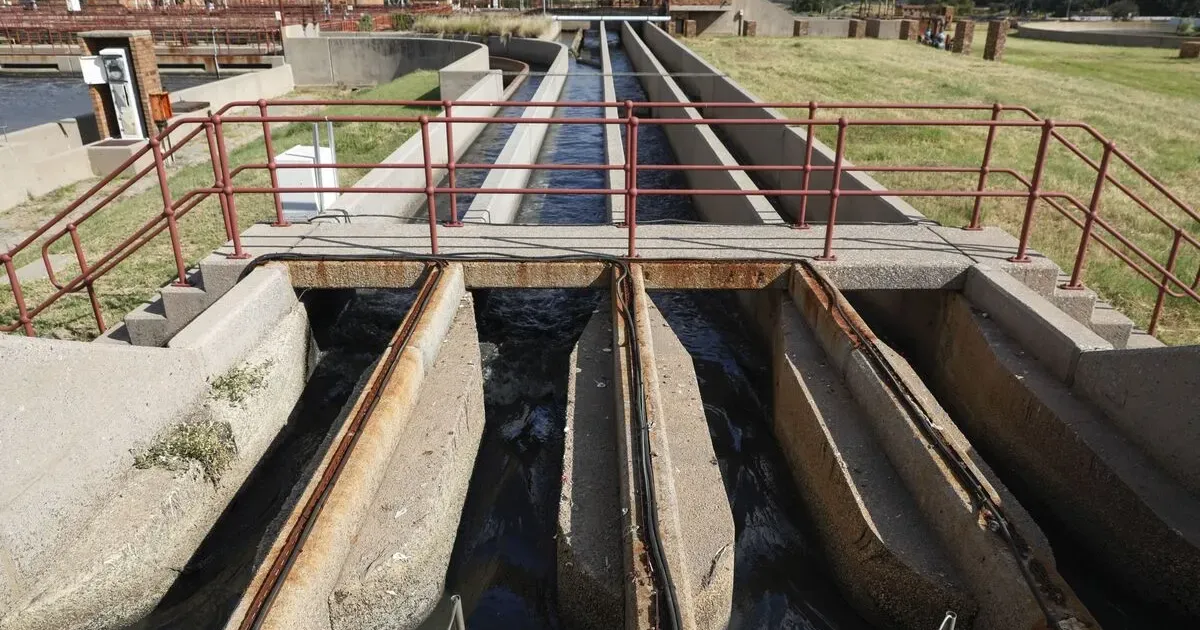
South Africa's 2025 Green Drop report did not describe a marginal infrastructure problem. It described a national wastewater failure becoming harder to excuse. The Department of Water and Sanitation assessed 848 municipal wastewater treatment systems across 144 water services authorities for the 2023/24 municipal financial year. Of those systems, 396 were classified as critical. That is 47 percent.
The direction is as important as the level. The previous full assessment found 334 of 850 systems, or 39 percent, in critical condition. The latest report shows deterioration, not recovery. Green Drop certifications fell from 22 to 14, and the share of systems rated excellent or good also declined. The country is not just discovering a problem it already had. It is watching the problem spread.
The Numbers Are a Sanitation Alarm
A critical classification is not a cosmetic downgrade. It means a system has reached a risk level where treatment performance, management control, monitoring or infrastructure condition is no longer acceptable. In practical terms, that can mean sewage is not being treated properly before it reaches rivers, dams, wetlands, farms or coastal waters.
Wastewater failure is dangerous because it often becomes visible late. A plant can decline through broken pumps, overloaded works, sludge mismanagement, missing chemicals, failed aeration, weak sampling and poor maintenance before the public sees the full downstream effect. By the time communities notice smell, discoloration, fish deaths or illness concerns, the system may already have been failing for months or years.
Municipal Capacity Is the Weak Point
The report points back to municipal performance because wastewater treatment is a daily technical service. It requires qualified operators, functioning laboratories, credible sampling, ring-fenced maintenance budgets, procurement discipline and political leadership that treats sewage as essential infrastructure rather than a crisis to be patched after complaints.
Many municipalities struggle with exactly those basics. Vacant engineering posts, unstable councils, weak revenue collection, late contractor payments and poorly supervised repairs all weaken plant performance. Wastewater does not wait for a council turnaround plan. It arrives every hour, and a plant without discipline becomes a public-health risk by routine.
The Green Drop System Still Matters
The Green Drop programme matters because it creates a national measurement system for failures that residents often experience as local misery. It gives government, regulators, engineers and communities a shared map: which systems are working, which are slipping and which are already critical.
But a report is only a warning tool. It is not a repair crew. Publishing the data without enforcement, funding discipline and skilled intervention can turn transparency into ritual. The value of the Green Drop system depends on whether repeat failure produces consequences and whether municipalities receive the technical support they need before plants fall past recovery.
Public Health Is the Immediate Risk
The environmental risk is obvious, but the public-health risk is just as direct. Poorly treated wastewater can spread pathogens, contaminate water sources, increase treatment burdens downstream and expose informal settlements, farmers and low-income communities to the highest danger. People with the weakest services often live closest to the consequences.
Exposure makes the crisis unequal. A broken wastewater plant can pollute a river used by people who did not cause the failure and have little power to demand repair. It can affect livestock, crops, recreation areas and beaches. It can also deepen distrust in municipal water systems at a time when South Africa is already dealing with broader concerns over water reliability and nonrevenue losses.
Good Performers Show the Failure Is Not Inevitable
The report also matters because it does not say failure is universal. Some municipalities and systems still perform well enough to earn recognition. The Department of Water and Sanitation singled out stronger performers such as Steve Tshwete Local Municipality, showing that competent management, maintenance discipline and technical oversight still produce results.
The stronger performers are important. South Africa has the engineering knowledge to run wastewater works properly. The collapse is not caused by a lack of basic science. It is caused by the breakdown between knowledge and execution: money not reaching the plant, skills not being retained, procurement not working and accountability not following repeated noncompliance.
Sewage Is Where State Capacity Becomes Visible
wastewater failure is what institutional decline smells like. Governments can speak about growth, tourism, industry and dignity, but those promises lose force when sewage reaches rivers and communities are told to wait for another plan. Wastewater treatment is not glamorous. That is exactly why it reveals whether a state can still do essential work when nobody is cutting a ribbon.
The 2025 Green Drop report should be treated as an intervention map, not a document to file. Critical systems need repair plans with dates, budgets, named managers and public follow-up. Municipalities need technical capacity that survives political turnover. Regulators need consequences that mean something. South Africa's wastewater crisis will not be solved by another warning. It will be solved when the daily discipline of keeping sewage out of water becomes non-negotiable.