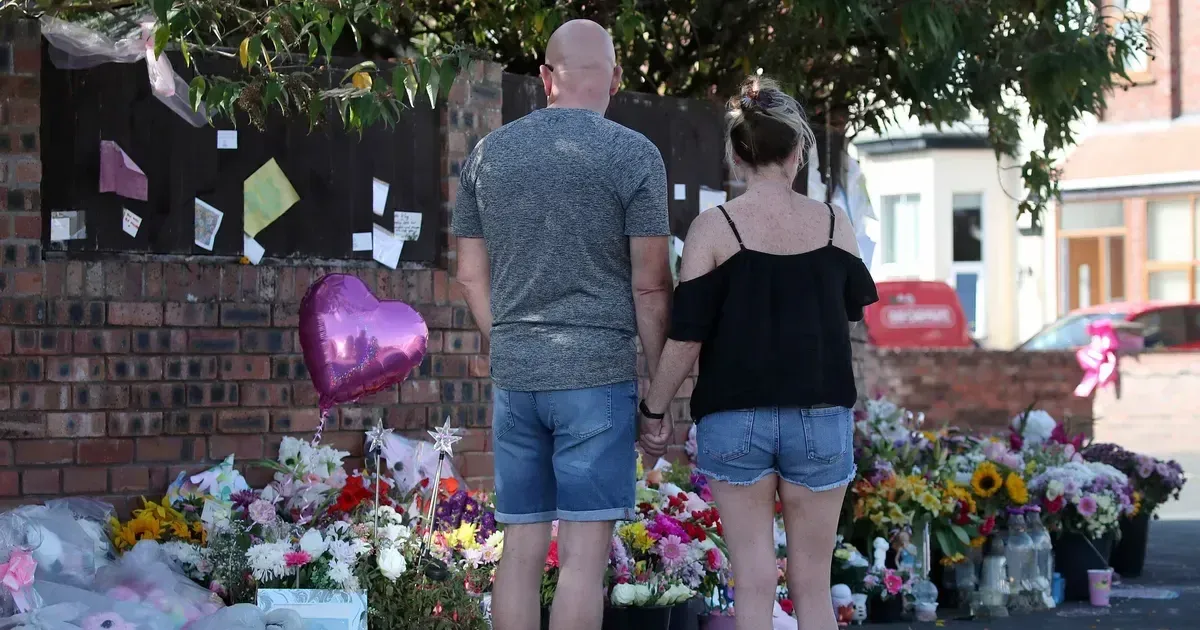
Southport investigators concluded that the 2024 mass stabbing at a Taylor Swift-themed dance class resulted from a series of catastrophic institutional failures. Axel Rudakubana, who was 17 at the time of the killings, reportedly harbored an enduring fixation on extreme violence that went unaddressed by both his family and local authorities. Reports released this morning describe a teenager isolated by social anxiety but fueled by increasingly dangerous digital consumption habits. Mental health professionals and police officers possessed multiple opportunities to intervene before the tragedy unfolded in the coastal town. These missed chances are now a central focus of a public inquiry that aims to reform how the United Kingdom handles high-risk individuals. The inquiry findings were reported on April 14, 2026.
One specific report indicates that Axel Rudakubana showed clear signs of behavioral deterioration years before he entered the dance studio on Hart Street. The inquiry into the Southport attacks found that school staff and health care providers noticed his preoccupation with knives and mass casualty events as early as 2022. Records clarify that his parents repeatedly sought help from the National Health Service, yet their pleas were categorized as low priority by overstretched triage units. This lack of urgency permitted a violent ideology to fester in the darkness of a suburban bedroom. Experts testified that the absence of a cohesive threat assessment allowed a lethal actor to remain hidden in plain sight.
Southport Victims and the Warning Signs
Families of the victims, including those of Bebe King, Elsie Dot Stancombe, and Alice Da Silva Aguiar, have demanded accountability for the systemic breakdown that led to the deaths of three children. Witnesses during the inquiry described the scene at the dance class as a moment of pure joy that turned into a massacre within seconds. While Merseyside Police responded quickly once the attack began, the inquiry suggests the prevention work should have started months earlier. Failure to share data between the police and social services meant that Rudakubana was never flagged as a potential domestic threat. Each agency held a piece of the puzzle, but nobody bothered to assemble the picture.
Evidence presented to the inquiry board showed that Rudakubana had a history of carrying weapons in public spaces. Authorities in Lancashire and Merseyside reportedly had contact with the family regarding his deteriorating mental state on several occasions. Despite these red flags, he was never referred to the Prevent program, which is designed to steer vulnerable individuals away from radicalization and violence. If the protocols had been followed, the 2024 attack might have been avoided through mandatory psychiatric intervention. Instead, the teenager was left to refine his plans without any meaningful supervision.
Axel Rudakubana and the Ricin Discovery
Investigators later discovered that the threat posed by Rudakubana extended beyond the immediate horror of the knife attack. Search warrants executed at his residence uncovered a small laboratory and a stash of the deadly toxin ricin alongside an Al-Qaeda training manual. Public prosecutors eventually added terrorism and chemical weapons charges to his indictment, complicating the legal proceedings. The inquiry noted that the presence of such materials indicates a high level of planning and a commitment to mass murder. Police had no idea these items existed until after the Southport tragedy had already occurred.
Records from the forensic sweep show that Rudakubana was producing biological agents in a residential setting. This discovery raised questions about why digital surveillance failed to pick up on his procurement of chemical precursors. While the attack itself was carried out with a blade, the intent to use more sophisticated weapons was undeniable. Evidence of his radicalization was found in folders buried deep within encrypted drives. Security services admitted that his profile did not match the typical patterns of known extremist groups, which contributed to his invisibility.
Social Services and Mental Health Negligence
Social services in Lancashire faced intense scrutiny during the 2026 hearings for their handling of the Rudakubana case. Documents reveal that a social worker was assigned to the family but visited only twice in a twelve-month period. Case files were often incomplete, with meaningful gaps in the reporting of his violent outbursts at home. The inquiry board described this oversight as a failure of the highest order. Staffing shortages and high turnover rates were cited as contributing factors to the lack of consistent care.
Mental health services within the NHS are also under fire for their inability to provide specialized treatment for teenagers with complex fixations. Rudakubana was placed on a waiting list for intensive therapy that he never actually received. Parallel to this, his primary care physicians struggled to get him seen by a consultant psychiatrist. The inquiry suggests that the threshold for emergency intervention was set too high, excluding individuals who were clearly on a path to violence. This structural flaw effectively abandoned a dangerous individual to his own devices.
Legal Repercussions and Institutional Reform
Judges overseeing the inquiry are expected to recommend broad changes to the 2023 National Security Act. These reforms would likely include more stringent monitoring of individuals who express interest in mass casualty events online. Legal experts suggest that the definition of a terror threat must evolve to include self-radicalized actors who do not have formal group ties. Rudakubana's case highlights the difficulty of tracking lone-wolf attackers in a digital age. The proposed changes aim to close the gap between social service interventions and counter-terrorism investigations.
Information sharing protocols are currently undergoing a complete overhaul to ensure that police and health care providers operate on the same data. A new centralized database will track individuals who demonstrate high-risk behaviors across multiple jurisdictions. The system is intended to prevent the kind of siloed communication that allowed Rudakubana to slip through the cracks. Civil liberties groups have expressed concern about potential overreach, but the public mood favors security. The cost of failure is simply too high to ignore.
Safeguarding Failure and Public Trust
Bureaucracy is a suicide pact when it prioritizes administrative compliance over active threat mitigation. The Southport inquiry has documented a sequence of failures so deep that they border on criminal negligence. We must stop pretending that the current model of child protection and mental health triage is functional. It is a hollowed-out shell that protects the institutions themselves while leaving the most vulnerable members of society to be slaughtered by predictable monsters. Institutional self-preservation is the only thing the modern British state seems capable of executing with any degree of efficiency.
Axel Rudakubana was not a ghost or a sudden anomaly. He was a recorded entity who screamed his intentions through school reports, hospital visits, and digital footprints. The refusal of the state to act on this data is a direct result of a culture that fears being labeled intrusive more than it fears the death of children. We have allowed the concept of privacy to be weaponized by the violent, while the agencies tasked with our safety hide behind the excuse of underfunding. It is not about a lack of resources; it is about a lack of will.
Security in the twenty-first century demands a ruthless integration of data that our liberal sensibilities find uncomfortable. However, the alternative is the continued sacrifice of the innocent on the altar of bureaucratic incompetence. We can either have surveillance states that actually monitor the dangerous, or we can continue to hold inquiries after the blood has dried. There is no middle ground, and the institutional failure is clear.