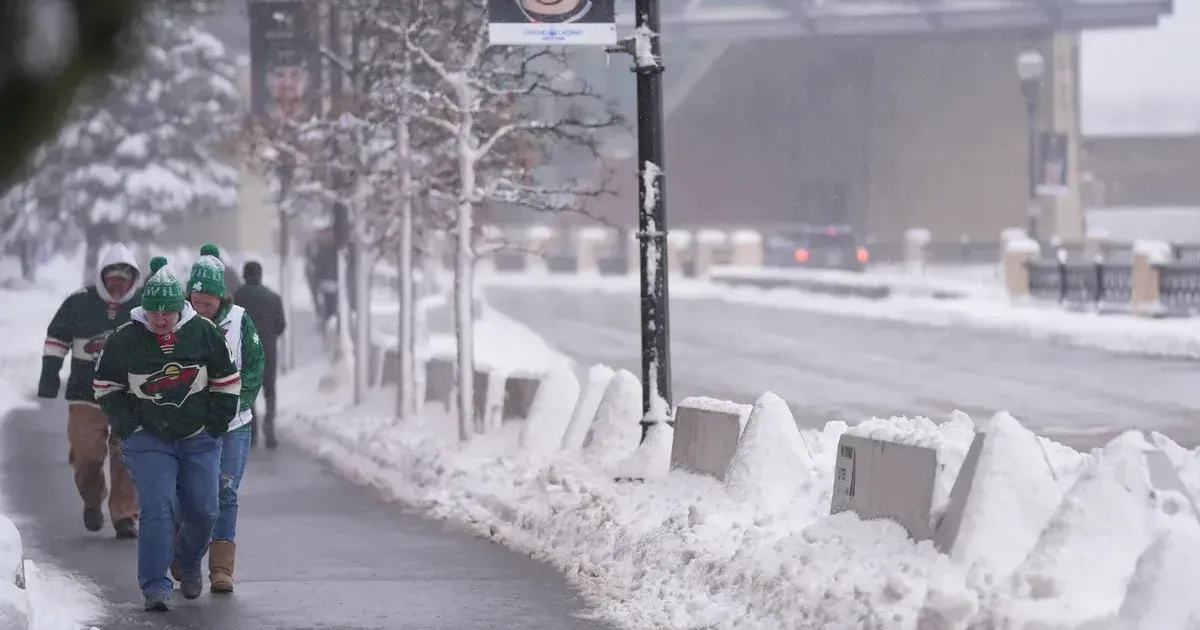
Weather patterns in Washington DC forced Congress to halt operations as heavy storms moved toward the Atlantic coast. High winds and erratic precipitation patterns caused major logistical failures across the plains and into the nation's capital. The system arrived with little warning for residents in the center of the country. The storm system produced a chaotic variety of hazards that changed by the hour. Farmers in the Dakotas watched barns lose roofs to gusts exceeding sixty miles per hour. Simultaneously, the Upper Midwest struggled with visibility levels that dropped to near zero within minutes. State troopers across three states reported hundreds of vehicle slide-offs before noon on Sunday. But the largest political disruption occurred when the front reached the Mid-Atlantic region. Forecasts for the D.C. area predicted damaging winds that could top seventy miles per hour by Monday afternoon. Local authorities issued emergency warnings to parents and federal employees alike.
Storms Disrupt Washington Operations
Snow levels in the north reached 16 inches in some rural counties. Heavy precipitation fell in a concentrated band stretching from the Dakotas through the northern reaches of Wisconsin. Maintenance crews worked twenty-hour shifts to clear primary highways, yet the volume of snow rendered many secondary roads impassable. Local officials in several Minnesota townships declared states of emergency to limit civilian travel. These measures remained in place as the primary front shifted toward the Great Lakes. Meanwhile, the southern edge of the system behaved differently, producing dry, high-velocity winds that whipped across the Kansas and Nebraska plains. Dust storms reduced air quality and vision for long-haul truckers on Interstate 80. One report from the Nebraska State Patrol noted that wind speeds were sufficient to overturn several high-profile vehicles. Power outages began to ripple through the regional grid as aging utility poles snapped under the pressure. The economic impact of the initial storm surge is already being calculated by agricultural analysts. Preliminary estimates suggest that the disruption to transport and property damage could exceed $140 million across the five most affected states. Grain silos in northern Iowa suffered structural failures due to the rapid accumulation of heavy, wet snow. Insurance adjusters expect a surge in claims once the winds subside.
Midwest Weather Pushes East
Washington became a ghost town by noon. District officials decided to close schools early on Monday morning to ensure students reached home before the highest wind speeds arrived. The decision affected tens of thousands of families across the metropolitan area, including northern Virginia and Maryland suburbs. Commuter rail services reduced speeds as a precaution against falling trees and debris on the tracks. Federal agencies allowed non-essential employees to take unscheduled leave or work remotely. The private sector followed the government lead by canceling afternoon meetings and closing office buildings. Wind gusts in the urban corridors of D.C. Create a wind-tunnel effect that makes sidewalk travel hazardous. High-rise construction projects halted all crane operations to prevent catastrophic failures. The National Mall was largely deserted as tourists sought shelter from the darkening sky. According to local weather services, the risk of downed power lines in the District is particularly high due to the saturated soil from recent rainfall. Even moderate gusts can uproot large oaks that have stood for decades in neighborhoods like Georgetown and Chevy Chase. Utility crews from as far away as Pennsylvania staged trucks in the area to prepare for the expected blackouts. House leadership reacted to the weather alerts by stripping the Monday legislative calendar of all major activity. Congress usually holds votes in the late afternoon on Mondays to allow members to return from their home districts, but the wind threat made air travel and local transit too unpredictable. The Sergeant at Arms advised staff to exit the Capitol complex before the storm reached its peak intensity. Legislative aides spent the morning rescheduling committee hearings and briefings.
The logistical ripple effects extend beyond the Capitol. Lobbying groups and advocacy organizations canceled scheduled fly-in events that had been months in the making. The sudden vacancy of the city's hotel ballrooms and meeting spaces has frustrated industry leaders who rely on face-to-face interaction with lawmakers. Security details for high-ranking officials also had to adjust routes to account for potential road closures caused by falling trees.
National Weather Service data indicates that the current system is an erratic patchwork of cold and warm air masses colliding with unusual intensity. The northern sector remained cold enough for record-breaking snowfall, while the eastern edge acted as a conduit for high-velocity wind. Meteorologists pointed to a rapid drop in barometric pressure as the primary driver for the wind speeds seen in the plains. This weather pattern is moving faster than typical spring fronts.
Yet some independent climate researchers argue that the speed of the front is less concerning than its breadth. The storm affects a geographical area spanning from the Canadian border to the outskirts of the Deep South. For instance, while the Midwest deals with snow, parts of the Tennessee Valley are monitoring for the risk of tornadoes. The diversity of the weather threats makes it difficult for federal agencies like FEMA to prioritize resources.
The focus remains on the next twenty-four hours as the system exits the coast. Forecasters are watching for a secondary low-pressure system that could develop over the Atlantic, potentially bringing more rain to the already battered Northeast. The Upper Midwest is entering a period of extreme cold as the trailing edge of the storm draws Arctic air southward. The immediate threat of wind may pass, but the recovery from the snow and ice will take several days.
Weather Became a Civic Disruption
Dismissing a few gusts of wind as an inconvenience ignores the systemic fragility of the American capital. It is an indictment of our national infrastructure that the gears of the federal government stop turning because the wind blows harder than forty miles per hour.
We see a recurring pattern where the world's most powerful city retreats into a state of paralysis at the first sign of a difficult commute. If the United States cannot maintain its legislative schedule during a predictable weather front, how can it be expected to manage a true national crisis that lasts longer than a single afternoon? The economic cost of these shutdowns is measured in the billions, yet there is zero appetite for the structural hardening of the grid or the modernization of transit that would keep the country open.
We are coddling a culture of interruption that prioritizes administrative ease over national momentum.