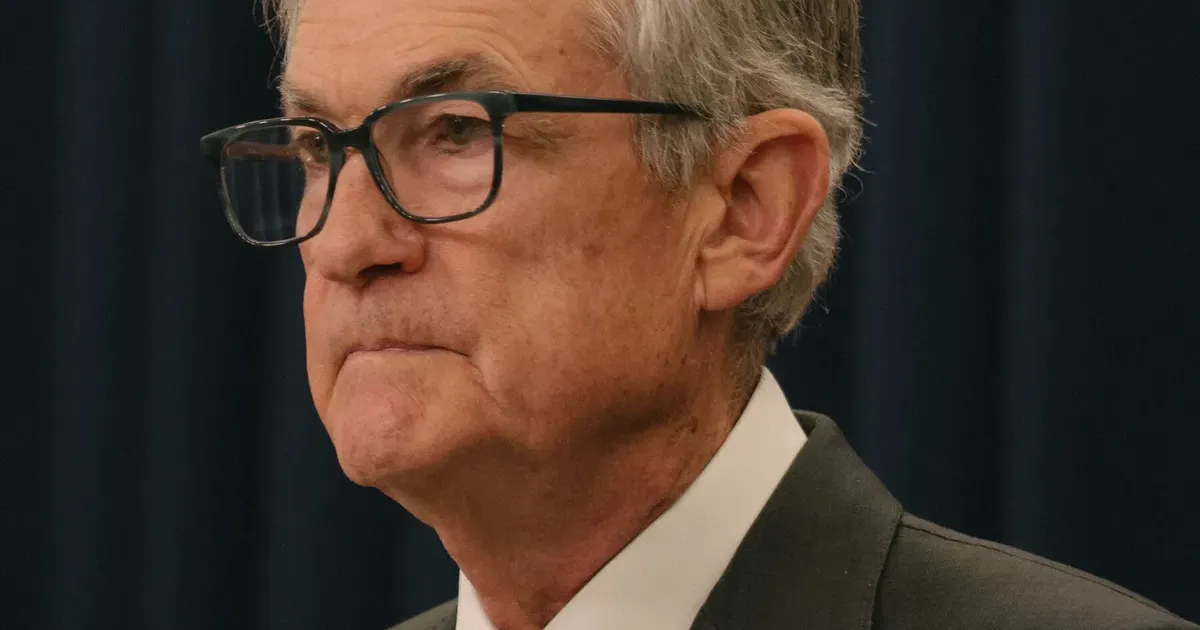
Federal Reserve officials analyzed new employment data that revealed that American companies added 178,000 jobs during the previous month. Resilient hiring patterns continue to defy expectations of a cooling economy. Payroll growth exceeded most projections, creating a complex environment for policy makers in Washington who are attempting to balance price stability with full employment. Markets reacted with immediate volatility as traders adjusted their expectations for interest rate cuts. The April 3, 2026, data strengthened the case for keeping borrowing costs elevated.
Labor statistics for March indicate that the domestic economy is absorbing higher interest rates with unexpected ease. While many analysts predicted a substantial slowdown by the spring of 2026, the current data suggests a tightening cycle has yet to suppress demand for new workers. Private-sector hiring drove the majority of the gains, specifically in service-related industries and manufacturing. Public-sector employment also showed steady increases, providing a solid foundation for overall economic stability.
Policymakers at the Federal Reserve now face two competing views. Bloomberg reporting suggests that the strength of the labor market provides a safety net for restrictive policy. By contrast, Reuters sources indicate that persistent hiring could keep wage growth too high for comfort. Maintaining the federal funds rate at its current level appears to be the most likely path forward for the immediate future. Institutional investors have largely abandoned hopes for a rate reduction before the summer months.
Federal Reserve Reactions to March Payroll Data
Officials at the central bank are finding their primary mission easier to execute because of the solid job numbers. With the labor market in a healthy state, the Federal Reserve can focus exclusively on reducing inflation to its two percent target. Inflationary pressures remain the chief concern for the Board of Governors. High employment levels mean they do not have to worry about a recessionary spiral while they keep borrowing costs elevated.
Financial conditions on Wall Street have tightened in response to the news. Treasury yields rose across the curve as the prospect of "higher for longer" rates gained traction among fixed-income desks. Mortgage rates, which track ten-year yields, are likely to stay at levels that discourage new home buyers. Banks are adjusting their lending standards to account for a prolonged period of restricted liquidity. Credit remains available but carries a premium that reflects the central bank's hawkish stance.
"Steady job growth in March suggests that the labor market remains relatively healthy, allowing officials at the central bank to focus on fighting inflation," according to a policy summary released by the Federal Reserve.
Wage growth figures included in the March report show a moderate but persistent increase in average hourly earnings. The increases provide consumers with the purchasing power to sustain retail spending. Retailers have noticed a steady flow of foot traffic despite higher prices for essential goods. Consumer confidence metrics often track closely with job security, which currently sits at a multi-year high. Households appear willing to take on additional debt, confident in their continued employment prospects.
Global Market Response to Resilient Labor Demand
International markets are closely watching the American labor trajectory. Foreign exchange traders pushed the dollar higher against a basket of major currencies. A strong dollar makes imports cheaper for Americans, which helps the Federal Reserve in its fight against inflation. A strong dollar also makes American exports more expensive for foreign buyers, potentially hurting domestic manufacturers over the long term. Central banks in Europe and Asia are now evaluating whether they can diverge from the American interest rate path.
Data from the Financial Times suggests that the Federal Reserve is effectively stuck on hold. Bumper jobs growth of 178,000 removed the urgency for any immediate policy shift. If the central bank were to cut rates now, it would risk reigniting inflationary fires. Keeping rates steady allows the cumulative impact of previous hikes to work through the financial system. Most economists agree that the window for a spring rate cut has officially closed.
Equities struggled to find a direction as investors weighed the benefits of a strong economy against the costs of high rates. Growth stocks, which are sensitive to borrowing costs, saw the most serious pressure. Value stocks in the energy and materials sectors fared better, supported by the idea that a strong economy demands more physical resources. Corporate earnings season will provide the next major test for market sentiment. Companies must prove they can maintain margins while paying higher interest on their corporate debt.
Federal Reserve Chairman Jerome Powell has consistently stated that policy moves are data-dependent. The March payroll report is an important data point that argues against premature easing. Inflation has proven stickier than many anticipated, particularly in the housing and insurance sectors. High employment levels give the Federal Reserve the luxury of time. They can afford to wait for more evidence that inflation is truly on a downward trajectory.
Market participants are now pricing in a maximum of two rate cuts for the entirety of 2026. This is a sharp reduction from the four or five cuts predicted at the start of the year. Expectations for a neutral rate are also being revised upward. If the economy can add 178,000 jobs with rates at current levels, the "restrictive" nature of policy is called into question. Some academics argue that the neutral rate is much higher than previously estimated.
Regional Federal Reserve presidents have expressed varying views on the necessity of further action. Some believe that current levels are sufficient to cool the economy over time. Others worry that the resilience shown in March means the central bank has more work to do. A small minority of policy makers has even suggested that another rate hike could be necessary if inflation plateaus. For now, the consensus remains firmly in the "wait and see" camp.
Sectors like construction and healthcare continue to report labor shortages despite the high-interest rate environment. The shortages keep upward pressure on wages in specific niches. Construction companies are struggling to find skilled tradespeople for infrastructure projects. Healthcare providers face a long-term shortage of nursing staff that predates the current economic cycle. The structural issues in the labor market are largely immune to interest rate changes.
Investment in automation is accelerating as companies seek to reduce high labor costs. Firms are buying software and robotics to handle tasks previously performed by entry-level workers. Technology spending remains a bright spot in the capital expenditure landscape. The investment could eventually lead to higher productivity, which would be a welcome development for the Federal Reserve. Higher productivity allows for wage growth without corresponding price increases.
Jobs Data Pushes Rate Cuts Further Out
The Federal Reserve is currently engaging in a dangerous game of chicken with economic reality. By interpreting the 178,000 jobs added in March as a green light to maintain restrictive rates, policymakers are ignoring the lagging effects of monetary policy. Historically, the labor market is the last pillar to crumble before a recession, not the first. Relying on payroll data as a primary indicator of economic health is akin to driving a car while looking only in the rearview mirror. The central bank's obsession with a two percent inflation target is becoming a fetish that threatens to choke the very prosperity it claims to protect.
Institutional inertia has replaced proactive management in Washington. Officials are so terrified of the 1970s stagflation ghosts that they are willing to risk a hard landing in 2027. The current resilience reflects the huge fiscal stimulus still washing through the system, not policy success. Once that liquidity dries up, the Federal Reserve will find itself with no room to maneuver. They are essentially trapped by their own rhetoric. The market is not healthy; it is merely caffeinated. When the stimulant wears off, the correction will be brutal. Expect a pivot only when the damage is already irreparable.