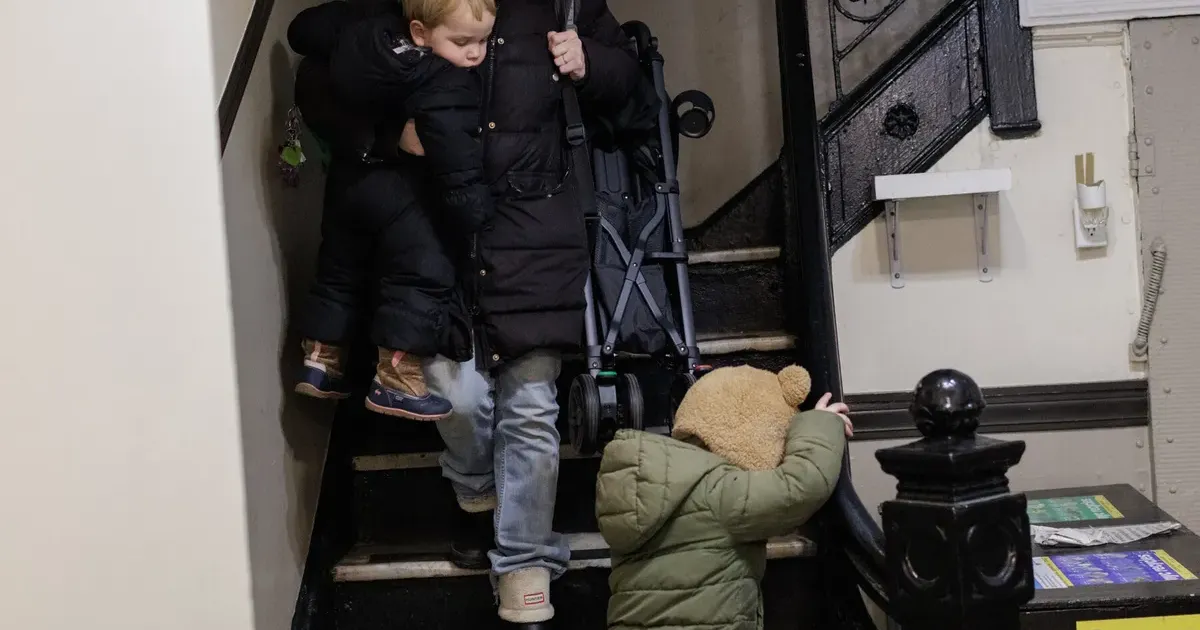
Eliza Shapiro reported that hundreds of New York City residents are adopting extreme financial measures to survive a worsening affordability crisis. These individuals detailed a range of trade-offs, from skipping dental appointments to forgoing fresh produce, just to maintain a lease in the five boroughs. Data collected from these accounts highlights a growing divide between basic survival and meaningful social participation. Residents now prioritize housing costs above every other physiological need.
The current median rent for new apartments in Manhattan is $5,000, a figure that continues to alienate the service workers who keep the city functioning. The April 3, 2026, report captured how rent pressure is changing daily life across the city. People are no longer simply budgeting for the future. They perform a frantic daily calculation to determine which necessity to discard. Research indicates that the average household in the city now allocates nearly 60% of its pre-tax income to rent and utilities.
Daily survival strategies involve a complex web of substitutions and sacrifices. While a small segment of high-earners continues to spend on luxury services, the vast majority of the population relies on discount grocers and community pantries. New York City witnessed a 15% increase in the use of food assistance programs during the previous fiscal year.
Rent Costs Force Sharp Household Budget Adjustments
Housing costs continue to be the primary driver of financial instability for the city middle class. Families often relocate to smaller units or move further from transit hubs to save a few hundred dollars a month. The financial strain creates a domino effect across the local economy. Small businesses suffer when residents lose their discretionary spending power. Many storefronts in once-vibrant commercial corridors now stand vacant because the local customer base cannot afford anything beyond their monthly rent check.
Manhattan remains the epicenter of this pricing pressure, but the contagion has spread deep into Brooklyn and Queens. Long-term residents are being displaced by high-earning professionals who are also struggling to find affordable square footage. Competition for limited inventory has led to bidding wars on modest one-bedroom apartments. Landlords frequently demand proof of annual income exceeding 40 times the monthly rent, a requirement that effectively bars entry for most public-sector employees.
Eliza Shapiro said her investigation "asked hundreds of residents to get candid about their finances."
Public records show that eviction filings have returned to levels not seen since before the 2020 lockdowns. Legal aid societies report a backlog of cases as tenants fight to stay in rent-stabilized units. These legal battles often last for months, draining the meager savings of those involved. Families who lose their homes frequently enter a shelter system that is already operating at maximum capacity.
Food prices in metropolitan areas have outpaced the national inflation average, forcing a redesign of the urban diet. Residents describe a shift from fresh meats and vegetables to shelf-stable carbohydrates. Bulk buying is difficult for city dwellers who lack car access or serious pantry space. They are forced to pay a convenience premium at local corner stores for smaller quantities of essential goods.
Bodegas and independent grocers face their own rising costs for wholesale inventory and commercial insurance. They pass these increases directly to the consumer, making even a basic sandwich a luxury for some. Analysis of consumer data reveals that the price of a standard grocery basket in the city increased by 22% over the last twenty-four months. Nutritionists express concern that these economic pressures will lead to long-term public health issues as residents prioritize calories over nutrients.
High-net-worth individuals in the city continue to spend on high-end real estate and premium services, masking the underlying economic distress of the general population. The divergence creates a visual paradox in neighborhoods like SoHo or the Meatpacking District. Designer boutiques thrive alongside lines for community food fridges. The luxury market operates on a global scale, largely insulated from the local cost-of-living struggles that plague the average resident.
Private equity firms and institutional investors own a growing share of the city's residential stock. These entities focus on maximizing shareholder returns, which often leads to aggressive rent hikes and reduced maintenance spending. Renters have little recourse when facing large corporate landlords with deep legal resources. The concentration of property ownership in fewer hands has reduced the bargaining power of the individual tenant. Small-scale landlords, often called mom-and-pop owners, are also exiting the market. Rising property taxes and maintenance costs make it difficult for them to compete with larger developers. When these smaller owners sell, their buildings are often renovated into luxury condos, further reducing the supply of affordable units. The loss of these older, unrenovated apartments removes the final safety net for lower-income New Yorkers.
Young Professionals Rethink Long-term City Residence
Retention of young talent has become a primary concern for the city's economic planners. Graduates who moved to New York for career opportunities now find the math does not work in their favor. Many are choosing to leave for secondary cities where their salaries provide a better quality of life. The exodus threatens the city's tax base and the future of its innovation sectors.
Corporate recruiters report that high-potential candidates are increasingly turning down offers due to housing costs. Companies must offer far higher salaries to compete with firms in cities like Austin or Charlotte. The wage pressure makes New York a less attractive place for startups to launch. Economic clusters in tech and media are seeing their growth rates flatten as employees prioritize financial stability over proximity to the office.
Transportation costs add another layer of complexity to the daily struggle. While the MTA has maintained a relatively stable fare, the cost of living near transit lines has soared. Workers are forced to commute from further distances, increasing their travel time and reducing their productivity. A three-hour daily commute has become the norm for those who cannot afford the rents in the inner boroughs.
Rent Pressure Breaks Household Budgets
Urban centers thrive on a diverse workforce, yet Manhattan is currently cannibalizing the very people required to maintain its infrastructure. The narrative of New York resilience is being used as a shield to ignore the reality that the city is becoming a gated community for the ultra-wealthy. When a city can no longer house its teachers, nurses, and subway conductors, it has entered a state of terminal decline that no amount of tourism or luxury development can mask.
Current policy interventions are mere performative gestures against a tidal wave of institutional capital. Rent stabilization helps those already in the system, but it does nothing for the thousands of young people and immigrants who are the city's lifeblood. What is unfolding is the final stages of a social contract where the promise of opportunity has been replaced by the reality of debt.
The current path leads toward a hollowed-out metropolis that exists only as a wealth-storage vehicle for global elites. Without a radical restructuring of property ownership and an enormous increase in public housing, the city will lose its cultural identity and economic edge. The affordability model is failing.