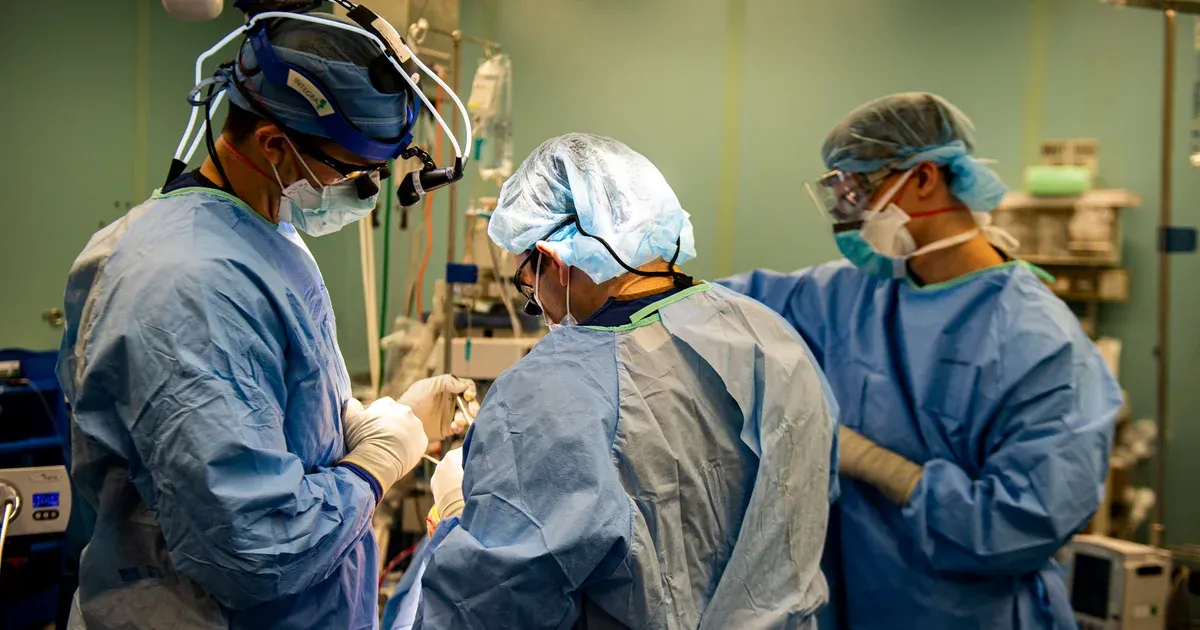
Trauma surgeon Shehan Hettiaratchy was supervising medical-school examinations on March 22, 2017, when he learned that people injured in the Westminster attack were being taken to St Mary's Hospital in London. He travelled to the hospital and led its surgical response.
St Mary's treated 15 people injured in the attack, including the attacker, according to Hettiaratchy's account in a Guardian interview. The other patients treated there survived. Five victims died elsewhere as a result of the attack.
Hettiaratchy describes the clinical work as a combination of strict organisation and emotional strain. Teams had to identify each patient's injuries, decide priorities and move through emergency treatment methodically. The feelings arrived more forcefully after the immediate work was done.
A Planned Response Still Carries Emotional Weight
Major trauma services prepare for mass-casualty incidents, and Hettiaratchy had long expected that London would face an event of this kind. A 2017 BMJ profile described him as Imperial College Healthcare's lead surgeon and major trauma director and noted that the service had prepared carefully.
Preparation did not make the circumstances routine. Hettiaratchy recalled a collective fear that people in London were under attack. He said a degree of detachment helped him stay focused while patients were arriving, but complete emotional disconnection would undermine the empathy patients need.
After the attack, he arranged a meeting where staff could discuss what had happened with support from the counselling team. A patient and his wife also spoke to staff about their experience. Hettiaratchy said that exchange encouraged his team to keep reflecting on difficult cases, recognise good work and address mistakes.
Trauma Care Extends Beyond the Operation
Hettiaratchy is a consultant plastic, hand and reconstructive surgeon as well as the trauma lead at Imperial College Healthcare. His NHS profile lists complex extremity reconstruction and major trauma among his areas of expertise.
Reconstructive care can involve repeated operations and lengthy rehabilitation. The aim is not limited to keeping a patient alive through the first hours. St Mary's major trauma service brings together surgeons, rehabilitation specialists, therapists and clinical psychologists to help patients recover function and adapt to the effects of severe injury.
That broader model also recognises the effect of trauma work on staff. In 2025, Imperial College Healthcare described expanded psychological support embedded in London's major trauma centers. The service offers training and day-to-day support for teams working under intense pressure as well as care for patients.
Conflict Missions Changed the Scale, Not the Duty
Hettiaratchy served in the British Army and later deployed with the medical charity UK-Med to Ukraine and Gaza. UK-Med reported that its Gaza surgical team treated new and older blast injuries, amputations and infections in severely overcrowded hospitals. Hettiaratchy said some patients with open wounds were leaving hospital for tents, increasing the risk of complications.
In Ukraine, he has worked on training local surgeons in reconstructive care after conflict. He told the Guardian that the country had prepared militarily for war but had not fully prepared for its healthcare consequences. He argues that medical systems elsewhere should train for those consequences before they are forced to improvise.
He is more guarded about drawing broad political lessons from brief clinical deployments. The defensible conclusion is narrower: large numbers of complex injuries place pressure not only on operating theatres, but also on infection control, rehabilitation, follow-up and the people delivering care.
Empathy Is an Operational Requirement
Hettiaratchy rejects the idea that a good surgeon should become unaffected by suffering. He tells students that they should remain horrified by severe injury, even while learning how to function in its presence. In his view, the difficult task is switching between the concentration required during surgery and the empathy required when speaking with a patient afterward.
That principle also demands humility. Hettiaratchy has described asking whether a difficult operation serves the patient or the surgeon's own ambition. Technical confidence is necessary, but it must be balanced by consultation with colleagues, honest discussion of risks and attention to the patient's priorities.
The strongest lesson from his account is not that exceptional surgeons can repair the damage left by every attack or war. It is that resilient trauma care depends on systems: rehearsed coordination, rehabilitation, psychological support, reflective teams and plans that exist before casualties arrive. Celebrating individual endurance while neglecting those structures would turn a warning about preparedness into a comforting story and leave the next team carrying the same preventable burden.