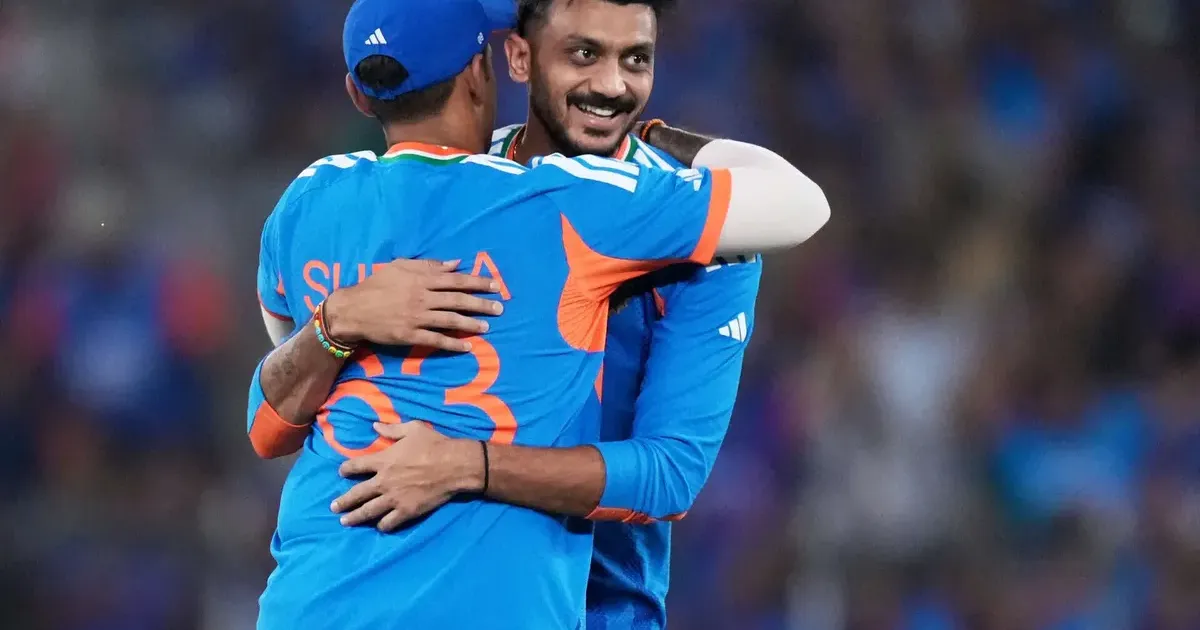
India's T20 victory now looks less straightforward after Suryakumar Yadav described the private tension that shaped the dressing room before the result. The comments landed on March 12, 2026, after celebration had already smoothed the public story into a familiar tale of confidence, unity and execution. What emerged instead was more interesting: a team that won while managing tactical disagreement, bruised egos and the pressure that comes with a national cricket audience.
Inside the Pressure
Elite dressing rooms rarely operate as calmly as highlight reels suggest. Players compete for roles, captains weigh risk, coaches push matchups and senior figures often disagree about how aggressive the side should be. That friction can damage a team if it becomes personal. It can also sharpen a team if the arguments stay tied to cricket decisions rather than status. India's performance suggests the tension was contained before it became destructive. The phrase locker-room tension matters because it separates healthy pressure from public drama. Not every disagreement is a crisis; sometimes it is the cost of players caring enough to challenge one another.
Why India Still Won
India's advantage was that the tactical dispute did not appear to paralyze the side on the field. The players still executed plans, adjusted to match conditions and kept emotional control when the game tightened. Suryakumar's account also shows why leadership in T20 cricket is compressed. Decisions that once had hours to breathe now have minutes, and a poor over can turn a private disagreement into a public referendum. The team's response suggests a group mature enough to argue before the match and commit during it. That distinction is often the difference between tension and fracture.
Tension Did Not Become Fracture
The disclosure will interest fans because it breaks the polished image of victory. It also helps explain why experienced sides value clarity before toss and innings breaks. Ambiguity becomes expensive in a format where every ball can shift the match. India do not need a silent dressing room. They need one where disagreement ends in a decision everyone follows. This episode suggests they found that line just in time. The disclosure also gives the win a more realistic texture. Supporters often imagine successful teams as emotionally unified from the start, but high-level cricket usually contains disagreement about roles, batting tempo and how much risk a side should accept. That is especially true in T20 cricket, where a batter can be asked to attack in one match and anchor in the next. Players who built careers on instinct still have to accept matchups, data and tactical instructions that may not flatter them. Suryakumar's value is that he can speak from inside that pressure without turning it into a scandal. His account suggests the dressing room had friction, but not the kind that destroys trust once the match begins. The leadership lesson is practical. Teams do not need to eliminate disagreement; they need to create a process that converts disagreement into clear roles before the first ball. India's victory therefore becomes a case study in emotional discipline. The public saw celebration, but the more important work may have happened in the conversations that prevented private tension from becoming public collapse. That is why the story matters beyond one match. It shows how a champion side can carry conflict, absorb it and still perform as if the only thing visible is confidence.
That kind of discipline is not always visible in scorecards. A boundary, wicket or clean catch becomes the headline, while the prior argument about roles disappears from view. Suryakumar's account restores some of that hidden context.
It also helps explain why modern captains spend so much time on communication. Tactical sophistication is useful only if players understand why they are being asked to change tempo, float in the order or accept a reduced role.
For India, the practical benefit is that tension did not harden into factionalism. A dressing room can survive disagreement when senior players make the final plan feel collective rather than imposed.
The episode will not define the season by itself, but it does give selectors and coaches a useful signal. The group was placed under emotional pressure and still protected the result.
The win therefore says as much about management as talent. India did not avoid pressure; they absorbed it and still produced the cricket required to finish the job.