The safety allegation turns a cost decision into a public accountability issue. Sydney officials now face a timeline question. The second fatality raised the stakes for riders and regulators. Transdev executives in Sydney faced new allegations on April 9, 2026, regarding a decision to cancel essential safety sensor trials shortly before another fatal tram incident. The question now is whether cost control overrode risk management before warning systems had been fully tested.
A whistleblower formerly employed by the transport giant claims that a project designed to detect human presence between tram carriages was abandoned specifically due to financial constraints.
While Transdev denies that any safety assessment was officially shelved, the revelations suggest a significant gap between technological capability and corporate implementation.
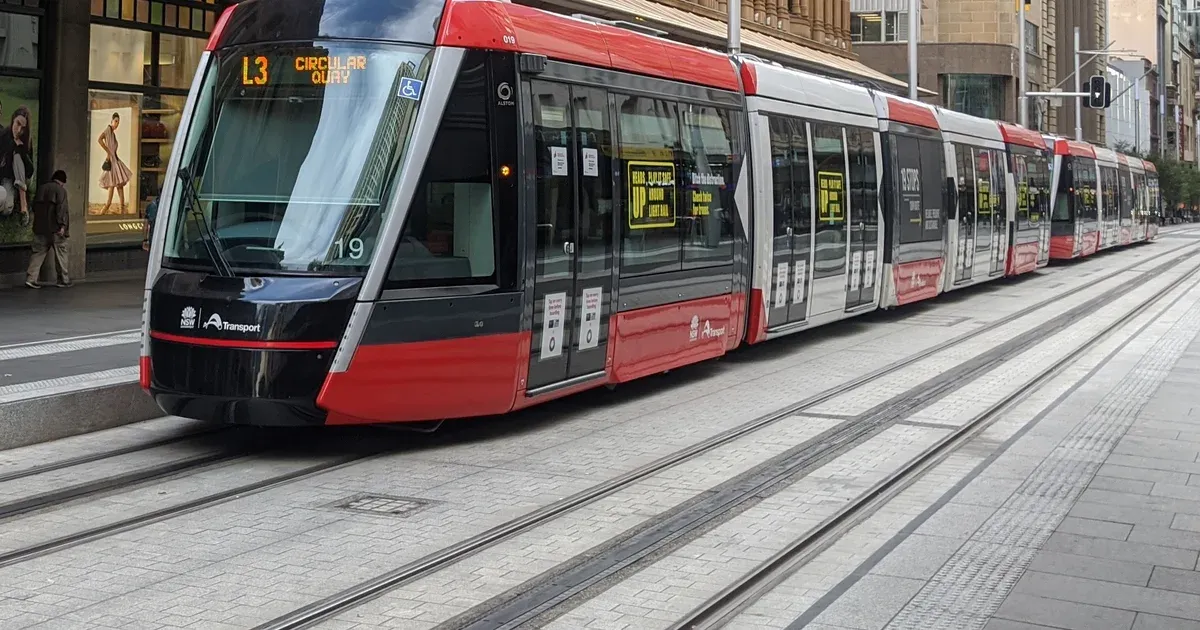
These accusations center on the technical vulnerabilities of the Alstom Citadis 305 trams used across the Sydney network.
Gaps between coupled light rail vehicles have long been identified as a critical hazard for pedestrians and passengers in urban environments. Following the death of a teenager who became trapped in the coupling area in 2023, the operator reportedly initiated what insiders called the coupling project. This initiative aimed to install infrared or ultrasonic sensors capable of alerting drivers if a person entered the dangerous space between two joined trams. Technical trials conducted during the first phase of this project successfully demonstrated that the technology could prevent such accidents by automatically applying emergency brakes or preventing the vehicle from departing a station.
Financial Considerations Halted Coupling Sensor Deployment
Budgetary pressures began to weigh on the project as the initial trial period concluded in late 2024. The whistleblower alleges that senior management viewed the per-unit cost of the sensors as prohibitive given the narrow margins of the light rail contract. Instead of moving to the procurement phase, the project was quietly wound down. Internal communications cited by the former employee suggest that the company opted to rely on existing CCTV monitoring and public awareness campaigns rather than the automated sensor suite. Critics argue that this decision prioritized short-term fiscal targets over long-term passenger safety.
The company successfully trialled sensors that would detect a person entering the coupling area but the project was stopped before another death, the former employee said.
Cost-saving measures in public-private partnerships often come under scrutiny when safety outcomes deteriorate. Transport for NSW maintains that it holds its operators to the highest safety standards globally. However, the whistleblower insists that the technical solution was ready for deployment and could have been integrated into the fleet within months. Documents from the period indicate that the project was labeled as pending for several months before being removed from the active safety upgrade list altogether. Management reportedly focused on other operational efficiencies that promised more immediate financial returns.
Second Fatal Incident Revives Project Scrutiny
Tragedy struck again in early 2025 when a second person was killed in a nearly identical manner at a busy Sydney stop. This second fatality occurred in the exact type of coupling gap that the discarded sensor project was designed to monitor. News of the second death immediately triggered internal panic within the operations department. According to the whistleblower, the once-scrapped project was suddenly reactivated under a different internal code name to avoid appearing reactive. This pivot suggests that the company recognized the technology was necessary only after the legal and reputational risks of a second death outweighed the original installation costs.
Evidence of the project restart appeared in recent procurement notices for specialized electronic components. Engineers were reportedly told to fast-track the integration of the sensors that had been mothballed a year prior. The inconsistency in Transdev's narrative regarding the status of the project has led to calls for an independent audit of the company's safety management systems. State opposition leaders are now questioning whether the operator misled the government about the feasibility and progress of the initial trial. Transparency in how these safety decisions are made is now the central focus of the ongoing investigation.
Regulatory Response and Corporate Accountability in Sydney
Regulators at the Office of the National Rail Safety Regulator have begun reviewing the timeline of the sensor trials and the subsequent fatalities. Australian rail law requires operators to reduce risks so far as is reasonably practicable. If a proven technology was available and rejected solely on cost grounds, Transdev could face significant legal liabilities and fines. The legal definition of reasonably practicable includes an assessment of whether the cost of a safety measure is grossly disproportionate to the risk. Two deaths in two years suggest the risk was far higher than the initial corporate assessments indicated.
Public confidence in the Sydney light rail system depends on the assurance that the latest safety innovations are being used. The whistleblower's testimony provides a rare glimpse into the internal friction between engineering departments and financial controllers in the transport sector. As the investigation continues, the focus will likely shift to the specific communications between Transdev and the New South Wales government. Determining who had the final authority to halt the 2023 trial will be essential for establishing accountability for the events that followed.