Tesla’s higher quarterly profit and stronger vehicle margins arrived alongside a revenue miss as the company increased spending on robotics and autonomous taxis. Tesla published its first-quarter financial results on April 22, 2026, revealing a complex balance between resilient vehicle margins and a top-line revenue shortfall. Investors analyzed a report that showed the company beating earnings-per-share estimates while failing to reach the revenue marks anticipated by Wall Street analysts. The divergence highlights an increasingly efficient manufacturing process even as consumer demand shows signs of cooling in a crowded global market.
Automotive gross margins, a key metric for the Texas-based manufacturer, saw a surprise jump during the first three months of the year. This efficiency gain allowed the company to report a rise in net income compared to the previous quarter, though the final figures stayed below the record highs set in earlier years. Market observers noted that the stock has underperformed its megacap peers since the beginning of 2026. Global competition continues to intensify, particularly in China and Europe, where domestic manufacturers are offering lower-priced electric alternatives.
Tesla Profit Margins Surge Amid Market Volatility
Operating efficiency became the primary driver of the positive profit surprise. Production costs per vehicle fell as the company improved its supply chain and benefited from lower raw material prices for battery components. These improvements allowed the manufacturer to maintain high levels of profitability despite multiple rounds of price cuts aimed at stimulating demand. Analysts at several major banks had expected thinner margins due to these aggressive pricing strategies.
Quarterly revenue reached $21.3 billion, missing the consensus estimates of $22.1 billion. The gap between expectation and reality stems largely from a slower pace of deliveries and a shift in the product mix toward less expensive models. While the company is producing more vehicles, the average selling price has declined. Competitive pressures from manufacturers like BYD and newer entrants in the tech space have forced a recalibration of sales projections across the industry.
Cash flow remains a point of scrutiny for institutional investors. Capital expenditures increased as the company poured resources into expanding its manufacturing footprint and refining its proprietary technologies. The balance sheet shows a strong cash position, but the rate of spending has accelerated. Management stated that the current investment cycle is necessary to maintain a technological lead over legacy automakers who are still struggling with the transition to electric platforms.
Revenue Shortfall and Global Electric Vehicle Competition
Tesla faced substantial headwinds in the Chinese market, where domestic brands have captured a larger share of the entry-level segment. Local competitors are leveraging state subsidies and integrated supply chains to undercut prices. This environment has made it difficult for foreign entities to maintain the rapid growth rates seen over the last decade. Export volumes from the Shanghai facility were redirected to other regions to offset local cooling, but logistics costs impacted the final revenue tally.
Share prices responded with volatility following the disclosure of the revenue miss. The company has seen its market capitalization fluctuate as it struggles to keep pace with the gains seen in other technology sectors. Big tech firms focused on artificial intelligence have largely overshadowed the automotive sector in recent months. Investors are looking for a clear catalyst that could propel Tesla back toward its former peak valuation levels.
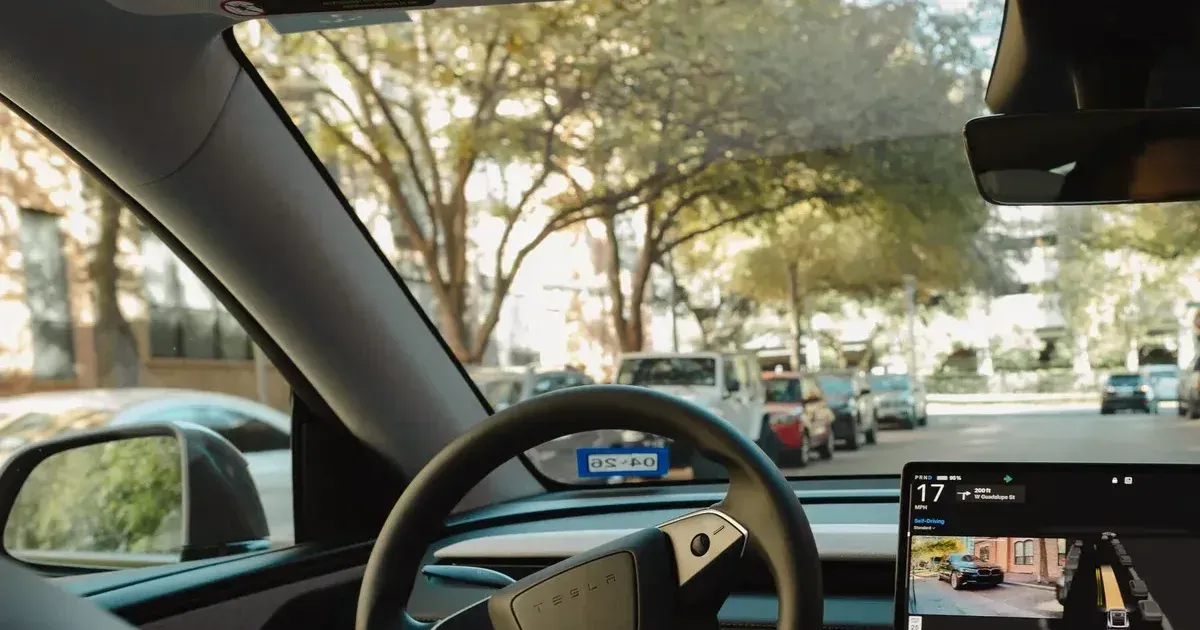
The company is investing in robots and self-driving taxis that are not yet generating significant sales.
Service revenue and software sales provided a small buffer against the vehicle sales slowdown. Subscriptions for advanced driver-assistance systems showed steady growth, though adoption rates vary by geography. The company is betting heavily on these high-margin recurring revenue streams to eventually replace the one-time profits from hardware sales. Software integration persists as a core differentiator for the brand in a market that is becoming increasingly commoditized.
Tesla Investments in Robotics and Autonomous Taxis
Research and development spending reached $1.2 billion in the first quarter of 2026. A major portion of this funding is directed toward the humanoid robot project and the development of a dedicated autonomous taxi platform. These initiatives represent a long-term pivot away from traditional automotive manufacturing. Current financial statements indicate that these projects are not yet contributing to the bottom line in a meaningful way. Management continues to prioritize these future technologies over the immediate expansion of the existing vehicle lineup.
Autonomous taxi development has faced regulatory hurdles in several jurisdictions. Test fleets are currently operating in restricted environments, and the timeline for a wide-scale commercial launch is still unclear. The company has avoided giving specific dates for revenue generation from these programs. This lack of near-term profitability from the robotics division has prompted some analysts to question the sustainability of the current research budget. Total operating expenses rose to $2.5 billion.
Institutional shareholders have expressed mixed opinions regarding the focus on robotics. Some argue that the core automotive business requires more attention to combat the rising tide of competition. Others believe that the transition to an AI-driven robotics firm is the only way to justify a premium valuation in the long term. The quarterly data shows that Tesla is firmly committed to this second path. Recent hires in the machine learning department indicate a continued shift in corporate priorities.
Production at the Berlin and Texas factories continues to scale toward full capacity. These facilities are designed to implement the latest manufacturing techniques, including large-scale castings and integrated battery packs. Achieving higher output at these locations is essential for bringing down the average cost per unit. The company expects these factories to be the primary drivers of margin expansion throughout the remainder of 2026. Output at the Texas plant reached a new weekly record in March.
Tesla Margin Test
Wall Street often rewards the promise of the future while ignoring the decay of the present. Tesla is currently trapped in a dangerous middle ground where its identity as a hyper-growth car company has evaporated, replaced by the speculative allure of a robotics firm. The jump in automotive margins is a victory for manufacturing engineers, but it is a hollow one if the top-line revenue continues to stagnate. Efficiency cannot save a company from a lack of demand. The reality is that the electric vehicle market is no longer a vacuum where one player dictates the rules.
The pivot to autonomous taxis and humanoid robots looks less like a strategic evolution and more like a desperate attempt to maintain a tech-sector price-to-earnings multiple. If the company were valued solely on its ability to sell cars, the stock would likely trade at a fraction of its current price. By funneling billions into projects that do not yet generate sales, management is gambling the stability of the core business on the hope of a breakthrough that may be years away. The strategy assumes that the competitive environment in the automotive sector will remain stagnant, which is a provincial and risky outlook.
Investors should prepare for a period of protracted volatility as the gap between Musk’s vision and the quarterly reality widens. The company must prove it can innovate in the robotics space without cannibalizing the financial health of its vehicle division. Failure to deliver a commercial robotaxi product within the next 24 months will likely result in a permanent re-rating of the stock. Tesla is a legacy automaker in denial.