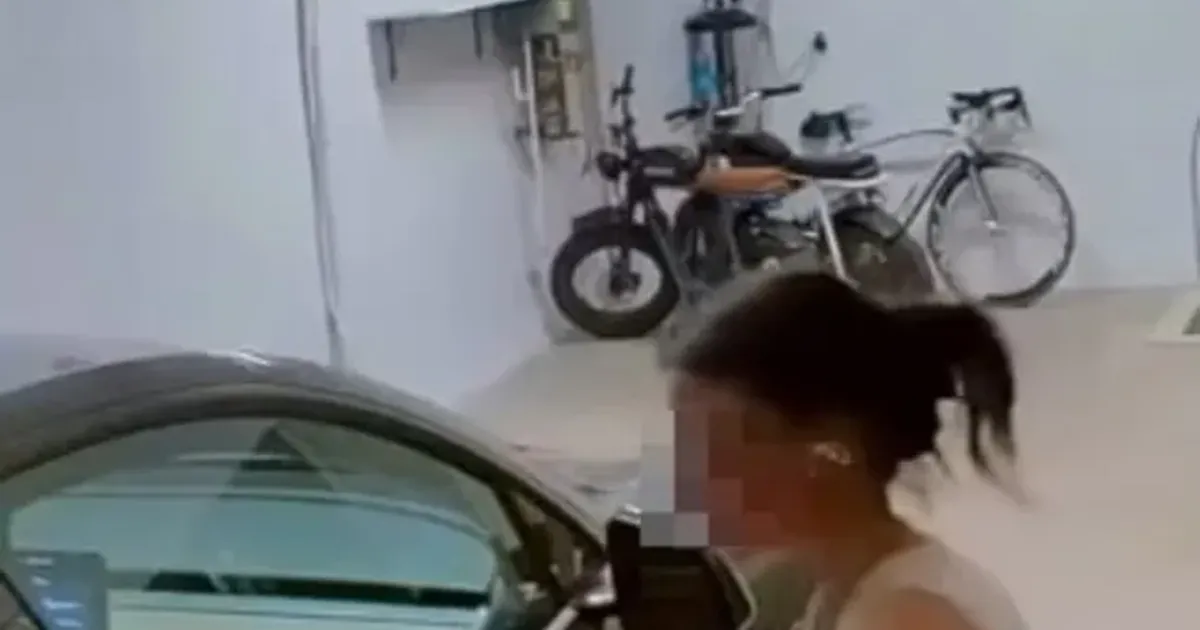
A California Tesla vandalism video showed how quickly a breakup dispute can become a property-crime case. The footage, reported from the Lake Tahoe area, appeared to show a woman damaging her ex-boyfriend's Tesla while moving belongings after the relationship ended. The visible conduct, not amateur psychology, is the legal point.
Reports described garage security footage showing the woman slamming doors and using a hammer on the vehicle. The man had reportedly lent her the car to help with the move. That relationship context explains why the clip spread online, but it does not decide the case. The practical questions are narrower: who caused the damage, was it deliberate, how much will repair cost and what evidence can prove it?
Video Changes The Case Quickly
Property damage cases often turn on identity, intent and the extent of loss. Clear video can answer the first two questions faster than witness statements alone. If a camera shows the person, the act and the vehicle, the dispute becomes less dependent on competing accounts after a breakup.
A reposted clip is not necessarily enough. The original file carries more evidentiary weight than a social-media cut. Timestamp, camera location, unedited footage, repair photos, police report, insurance claim and messages around the move can all become part of the record. Once the case leaves the internet and enters an insurance desk or prosecutor's review, captions and comments have much less value than clean evidence.
The Repair Estimate Can Change The Charge
California vandalism law turns heavily on the value of the damage. Under Penal Code 594, vandalism can become a felony-level matter when the damage reaches at least $400, though charging decisions depend on the facts and prosecutor discretion. That threshold is low compared with modern vehicle repair costs.
A Tesla can reach that number quickly. Body panels, paint blending, sensors, trim and specialized service work can make a mark that looks modest on video become expensive on an invoice. Legal exposure in a car-damage case often depends less on the clip's drama than on the repair estimate that follows.
Civil Costs May Outlast The Viral Moment
Criminal exposure is only one side. Insurance may cover part of the loss, but deductibles, premium effects and subrogation can push the bill back toward the person accused of causing the damage. If the owner sues, the video becomes evidence for reimbursement rather than entertainment for viewers.
The car's value also has emotional and financial consequences. A vehicle used during a move may still be private property with a loan balance, insurance obligations and resale value. Damaging it during a breakup does not stay inside the relationship. It creates a paper trail that can follow both people after the argument has ended.
Breakup Stress Does Not Excuse Damage
Moving out of a shared home can be messy. Anger, embarrassment and loss can make a routine handoff feel loaded. None of that makes deliberate property damage legally trivial, and none of it requires turning the woman in the video into a caricature for online punishment.
The lasting issue is boundaries. Shared homes, shared driveways and borrowed property create bad facts when a relationship ends badly. Written pickup plans, witnesses when needed, neutral locations and avoiding borrowed assets can sound boring, but they keep private anger from becoming permanent evidence. A few minutes of damage can become a felony review, an insurance claim and a civil bill. The camera does not make the act worse. It makes denial more difficult.