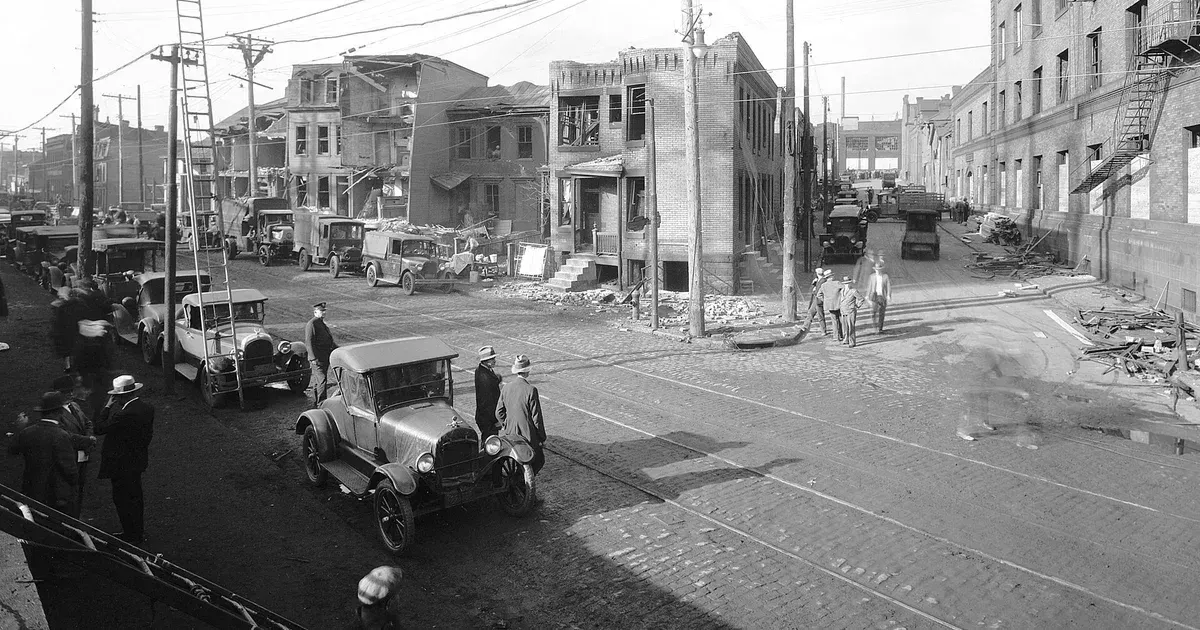
Emergency responders in Dallas converged on a multi-unit residential complex after an explosion sparked a large fire. The Dallas blast turned an apartment emergency into a criminal, fire-safety and housing question at the same time. Residents who survived the explosion are now waiting for answers on both cause and accountability. The blast also left displaced tenants needing temporary shelter while investigators worked through the debris field. Authorities confirmed on May 29, 2026, that at least three individuals died during the initial blast and subsequent blaze. Fire suppression efforts moved into a secondary phase as the primary fire was contained, allowing specialized teams to begin the dangerous process of entering the heavily damaged structure. Visual reports from the scene described a large fire that severely compromised the integrity of several floors and left a large section of the building in ruins.
Personnel from Dallas Fire-Rescue arrived at the site to find intense flames consuming multiple levels of the apartment complex. Visible structural damage suggests the explosion originated within one of the central units, though the exact point of ignition remains under investigation. First responders established a wide perimeter to protect onlookers and neighboring properties from falling debris and smoke inhalation. Emergency medical teams staged nearby to provide immediate care to survivors who escaped the building during the early moments of the incident.
Search and Rescue Operations Continue
Search efforts entered a critical phase as nightfall approached.
Specialized urban search and rescue teams are currently navigating the unstable remnants of the apartment building to locate any individuals unaccounted for. Heavy machinery and thermal imaging technology arrived on the site to assist crews in scanning pockets of debris that are too dangerous to enter manually. Technical experts are monitoring the structure for signs of further shifting, as the explosion removed several load-bearing supports. Recovery operations proceed with extreme caution to ensure the safety of the personnel working within the unstable wreckage.
Statements from local leadership emphasized the difficulty of the current environment. A city official confirmed that the search for missing residents remains the top priority for the department, even as conditions within the building deteriorate. The scale of the collapse means that every movement of debris must be calculated to prevent secondary cave-ins. Despite these challenges, crews have maintained a continuous presence at the scene since the first alarm was triggered.
"The explosion and subsequent fire led to a rapid collapse of certain sections, making initial access extremely hazardous for our teams," a city official said.
Displaced residents were moved to a temporary shelter established at a nearby community center. Local relief organizations provided food, clothing, and psychological support for those who lost their homes and personal belongings in the blast. Witness accounts describe a sudden, deafening sound followed immediately by a rapid spread of fire through the corridors. Some survivors reported that the force of the explosion blew out windows in adjacent buildings, highlighting the intensity of the initial detonation.
Investigation Into Cause of Blast Begins
Fire marshals and forensic investigators are waiting for the structure to be fully stabilized before conducting a thorough examination of the debris. Initial focus centers on the utility infrastructure of the building, specifically the gas lines and electrical systems that could have contributed to the blast. While arson has not been ruled out, investigators typically prioritize mechanical and system failures in the early stages of an explosion inquiry. Records from the building management office regarding recent maintenance and safety inspections will form a critical part of the data collection process.
Recovery of physical evidence will take several days as teams sift through charred materials and shattered concrete. Utility companies arrived shortly after the blast to isolate gas and power lines to the entire block, preventing any further hazards to the community. Safety protocols require a complete sweep of the surrounding area for any unexploded materials or secondary fire risks before residents in neighboring buildings can return to their homes. Personnel remain on-site to monitor hot spots and provide security for the perimeter.
Resident Support and Safety Review
City agencies are also coordinating longer-term support for residents displaced by the explosion. Officials said the temporary shelter would remain open while inspectors determine whether nearby units can be safely reoccupied. Case workers are collecting information from tenants who need medication, identification documents, replacement clothing, or help contacting relatives. The immediate goal is to keep survivors accounted for while investigators continue the slower technical work at the damaged complex.
Attention is also turning to building safety records and emergency response procedures. Investigators will review maintenance reports, recent repair requests, utility shutoff timelines, and any prior complaints involving gas odors or electrical faults. Those records will help determine whether the explosion was an isolated event or the result of a preventable failure. City leaders are expected to brief residents again once engineers finish the first structural assessment and fire marshals can enter the most heavily damaged areas. Until then, officials are urging tenants to stay away from the site and wait for formal clearance before attempting to recover belongings. The restriction is intended to prevent further injuries.