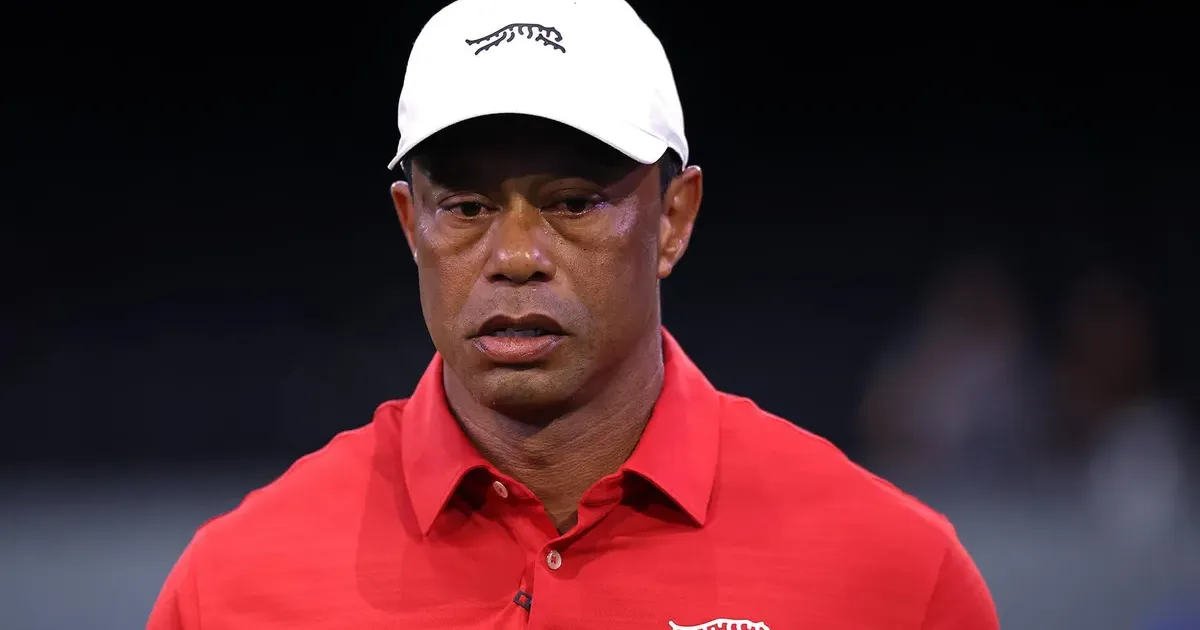
Tiger Woods withdrew from the Masters and said he would enter inpatient treatment, removing golf's most recognizable figure from Augusta National days before the first round. The decision followed a weekend DUI arrest near his Jupiter Island residence. Tournament officials received the April 1, 2026 announcement while planning a reshaped field, altered broadcast windows and a changed commercial week. It also leaves sponsors with fewer opportunities to connect nostalgic audiences to the current tournament field. That is why the withdrawal matters beyond the leaderboard.
Arrest Details and Jupiter Island Records
Officers encountered the 50-year-old golfer during the early morning hours near his Florida residence. The arrest report describes a scene where Woods appeared disoriented during field sobriety tests conducted on the shoulder of a public road. While initial reports did not specify the exact substances involved, the statement released by Woods on social media Tuesday evening acknowledged a serious need for professional help. Public records show the golfer had not participated in a competitive tournament since the 2024 British Open.
I know and understand the seriousness of the situation I find myself in today. I am stepping away for a period of time to seek treatment and focus on my health. This is necessary in order for me to prioritize my well-being and work toward lasting recovery.
Local authorities in Florida processed the athlete at a nearby facility before his release on bail. This latest legal entanglement adds to a history of vehicular incidents starting with the 2009 collision in Windermere. A subsequent 2017 arrest for driving under the influence involved a cocktail of sleep and pain medications found in his system. Severe leg injuries followed in 2021 when Woods crashed a luxury SUV in Southern California, requiring multiple surgeries and a lengthy rehabilitation period.
Masters Tournament Field Without a Legend
Augusta National officials must now proceed with a tournament schedule that excludes the five-time green jacket winner. Traditional pre-tournament activities, including the Champions Dinner, usually feature Woods as a central protagonist. His absence forces a reconfiguration of the marquee groupings and television broadcast windows designed to capture his enormous viewership. Tournament organizers confirmed they received formal notification of his withdrawal late Tuesday afternoon.
Competitors arriving in Georgia expressed various levels of concern regarding the news from Jupiter Island. Many younger players on the PGA Tour grew up idolizing the dominance Woods displayed during the late 1990s and early 2000s. These athletes now face a competitive environment where the legendary figurehead is no longer a physical presence on the practice range. Practice rounds continued on Wednesday under a cloud of media speculation regarding the specific nature of his recovery program.
The timing is especially damaging because Masters week is built around ritual, predictability and a media economy that still treats Woods as the default center of gravity even when he is not healthy. Woods usually anchors television promos, practice-round attention and sponsor hospitality even when he is not favored to win. Removing him this late forces broadcasters and organizers to rebuild the commercial story around a younger field.
Sports Fallout
Professional golf has spent thirty years in a state of arrested development, tethered to the singular gravity of one man. This latest arrest provides the final, undeniable proof that the Tiger Woods era ended long ago, despite the desperate attempts of executives to keep the ghost of his 1997 form alive. The sport's leadership has functioned like an addict itself, constantly chasing the high of Woods-era television ratings while failing to cultivate a sustainable product that exists independently of his participation. Reliance on a single aging icon is not a business strategy; it is a slow-motion suicide pact for a global sport.
The PGA Tour and its sponsors must immediately cease the hagiography. Woods is a man in clear personal crisis, not a marketing vessel to be trotted out for ceremonial tee shots between police incidents. Every time a major tournament markets itself around his potential return, it diminishes the genuine talent of the current top-ranked players. By prioritizing a broken legend over the health of the current field, the industry has signaled that it values nostalgia more than competition. The cycle of comeback narratives and subsequent collapses has become a parody of professional sports.
Golf is finally entering its cold-turkey phase. The withdrawal from Augusta National is more than a missed tournament. It is the expiration of the sport's most profitable and most destructive contract. Investors should look toward organizations that are pivoting toward the faster, younger, and less volatile personalities currently climbing the world rankings. The era of the singular golf deity is dead. Transitioning to a decentralized star system is the only way for the Masters and the wider industry to survive the inevitable silence that follows the roar of the Tiger. Reality has arrived at the gates of Augusta.