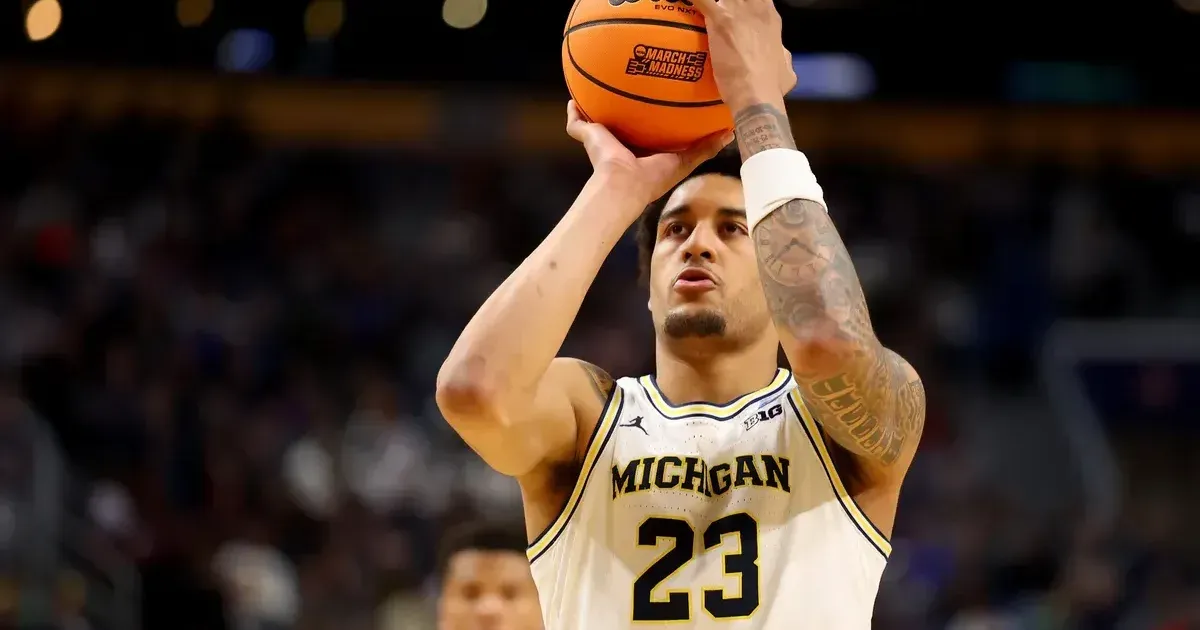
The Sweet 16 is bringing together top seeds, revived programs, and defending powers as the NCAA tournament moves into the regional semifinal stage. The schedule taking shape on March 27, 2026, gives Duke, St. John's, Michigan, Alabama, UConn, and UCLA different versions of the same pressure.
Basketball analysts at Yahoo Sports suggest that a victory for the Red Storm would represent the most marked shift in the Big East hierarchy in decades. Tipoff for this high-stakes contest is scheduled for 7:10 p.m. ET on CBS.
Viewers can find the game on CBS, with Paramount+ Premium available for streaming. On the floor, Duke has to slow the emotional momentum of a St. John’s roster that has grown sharper through the opening rounds. The Blue Devils carry the burden that follows a No. 1 seed: anything short of control will read as vulnerability. That pressure is why the broadcast slot matters, but the basketball problem is simpler than the television packaging.
St. John's Seeks Elite Eight Return against Duke
Rick Pitino has renewed the St. John’s program, yet Duke remains the hardest test of that rebuild. The Blue Devils rely on defensive discipline and high-end talent, while the Red Storm lean on older guards and a physical style that can disrupt cleaner shooting teams. St. John’s last saw the Elite Eight when Bill Clinton was in the White House, which gives the matchup its emotional weight without changing the tactical demand. Tipoff is set for 7:10 p.m. ET.
Paramount+ Premium will serve as the main streaming route for fans without cable, while CBS keeps the traditional national window. The Sweet 16 is where casual viewers begin joining alumni and dedicated tournament followers, so close games involving programs such as Duke still carry outsized commercial value. The television stakes are real, but they sit behind the more immediate question of whether St. John’s can force Duke into a game played on Red Storm terms.
Michigan Faces Alabama Offensive Threat in Chicago
Michigan enters the United Center in Chicago on Friday night with the intention of stifling one of the most explosive offenses in the country. The No. 1 seed Wolverines have dominated the Big Ten with a balanced inside-out game, but they now face a No. 4 Alabama team that thrives on transition buckets and high-volume three-point shooting. Despite the absence of a key contributor, the Crimson Tide has found ways to outscore opponents through sheer pace and perimeter accuracy. Michigan head coach Dusty May must decide whether to engage in a shootout or attempt to slow the game down to a half-court grind. Tipoff is set for 7:35 p.m. ET.
Alabama has continued to win despite playing without guard Aden Holloway, but the absence still changes how the Crimson Tide distribute shots and handle pressure late in possessions.
Alabama coaches have redistributed scoring duties among the remaining guards, and the adjustment carried the Crimson Tide through the first two rounds. Michigan scouts spent the week looking for places to punish that modified rotation, especially in the paint and on the defensive glass. The Wolverines also have to manage the neutral-site feel of Chicago, where early runs can quickly tilt the crowd. TBS and truTV will carry the national broadcast, with Max handling streaming.
UConn Women Launch Title Defense in Fort Worth
UConn Huskies players arrive at Dickies Arena in Fort Worth, Texas, on March 27, 2026, carrying the expectations that follow a title defense. Led by Azzi Fudd, the Huskies have moved through the season with the balance and shot-making that define their best teams. North Carolina stands in their way as the No. 4 seed, hoping to use length and defensive versatility to make every clean look harder. The game tips off at 5 p.m. ET on ESPN.
Returning champions rarely move through the regional semifinals without a test, and North Carolina has the frontcourt profile to make UConn work. ESPN+ will stream the contest for subscribers, while ESPN carries the game nationally. Fort Worth becomes a women’s basketball hub for the weekend, and the Huskies arrive with the expectation that follows a title defense: every opponent gets to measure itself against the standard.