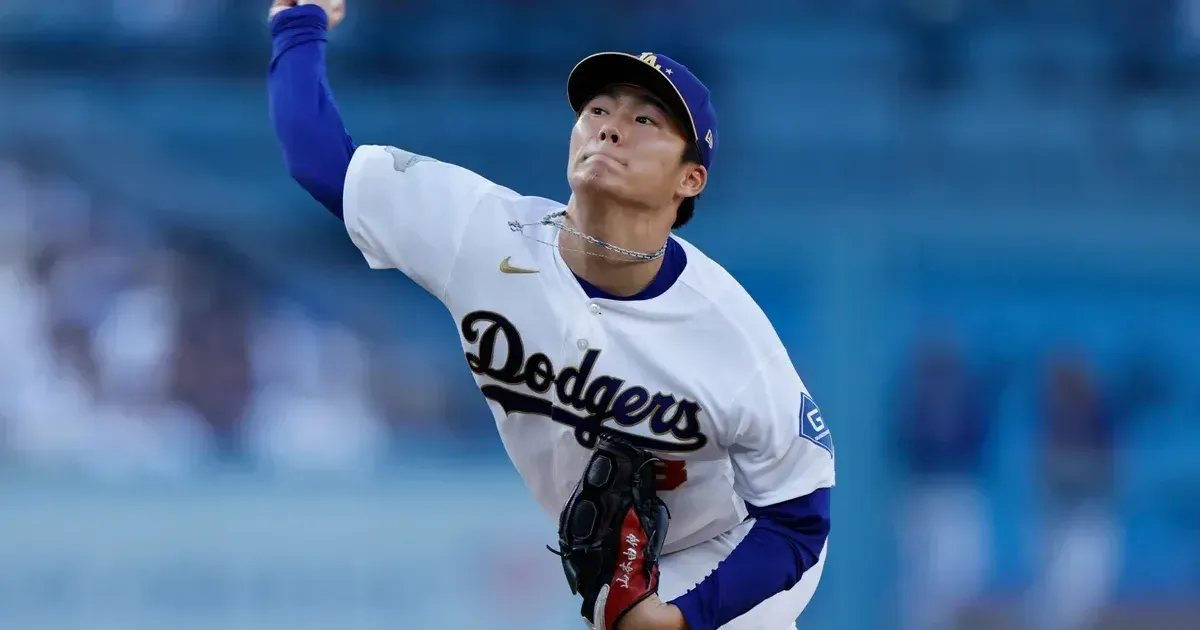
The Los Angeles Dodgers opened their 2026 season with an 8-2 win over the Arizona Diamondbacks at Chase Field, turning a slow offensive start into a comfortable victory. The defending champions looked quiet for four innings, then found the timing and plate discipline that have made their lineup so difficult to manage. By March 27, 2026, the opening result had already become an early reminder of their margin for error.
The March 27 opener was not a wire-to-wire display of dominance. It was a reminder that Los Angeles can wait out a game until its advantages begin to show. The Dodgers did not need to chase early offense because their pitching kept the score manageable and their lineup stayed patient. Arizona had a chance to turn the opener into a pressure game, but the Dodgers widened the margin once the order began seeing pitches for a second and third time. Kyle Tucker helped stretch the lineup, while the bottom half of the order kept innings alive. By the late frames, the crowd in Phoenix had shifted from hopeful to resigned. Yoshinobu Yamamoto gave Los Angeles the steady start it needed while the offense settled in. He limited hard contact, worked ahead often enough to avoid long innings, and kept the game close until the bats arrived. That combination of pitching depth and lineup patience remains the Dodgers' clearest advantage.
Dodgers Lineup Warms Up Late
Opening Day can exaggerate rust, and the Dodgers showed some of it early. Their swings were not sharp in the first third of the game, but the approach stayed sound. Los Angeles did not chase wildly, and that discipline eventually pushed Arizona pitchers into less favorable counts. It was the same patient formula seen across other Opening Day storylines. Once the Dodgers reached the bullpen, the game tilted quickly. Tucker's presence gave the middle order another left-handed threat, and Arizona had little margin for matchup choices. A single mistake, walk, or missed cutoff became more costly because the Dodgers kept traffic on the bases. The most important point was not one swing. It was the pressure of repeated quality at-bats.
Los Angeles forced Arizona to defend every part of the field, and that pressure showed up in rushed throws and uncomfortable pitching changes. That is a difficult style to withstand in April because bullpens are still finding roles and starters are still building length. Arizona needed clean early innings to protect its relief plan. Once that plan broke, the Dodgers had the deeper bench and the better matchup options. It also gave Los Angeles a useful opening-week signal. The Dodgers did not have to empty the bullpen or lean on one star performance to win comfortably. That matters over a full series. Early-season managers are careful with workloads, and a clean opener can protect arms for the next two games. Los Angeles left Chase Field with both a win and a manageable pitching picture.
Arizona Execution Slips
The Diamondbacks did not lose only because of talent disparity. They also lost moments that have to be cleaner against a club like Los Angeles. Defensive communication broke down in key innings, and Arizona's starter was left to navigate traffic as the lineup turned over. Against the Dodgers, small delays become scoring chances. Arizona remains a capable National League team, but this opener exposed the gap between a contender and a champion.
The Dodgers can absorb a slow start because they have answers throughout the roster. That same depth is why prospects and roster movement around the league, including names covered in our latest scouting report, continue to be measured against Los Angeles. The home side will also regret missed early chances. Yamamoto gave up enough contact to create tension, but Arizona did not turn those opportunities into a lead. Once Los Angeles moved in front, the Diamondbacks spent the rest of the night chasing a game that had become too fast.
The Dodgers are chasing a rare level of sustained dominance, and an 8-2 road win is exactly the kind of opener that reinforces expectations. It does not settle a season, but it confirms that the core pieces still fit. Tucker's integration, Yamamoto's command, and the lineup's depth all offered early signs that the championship standard has carried into 2026.
For Arizona, the response in the next game matters more than the margin of this loss. The Diamondbacks need cleaner defense and more damage when they put runners on base. For Los Angeles, the opener was a reminder that even an imperfect night can become a decisive win when the roster has this many paths to pressure an opponent.