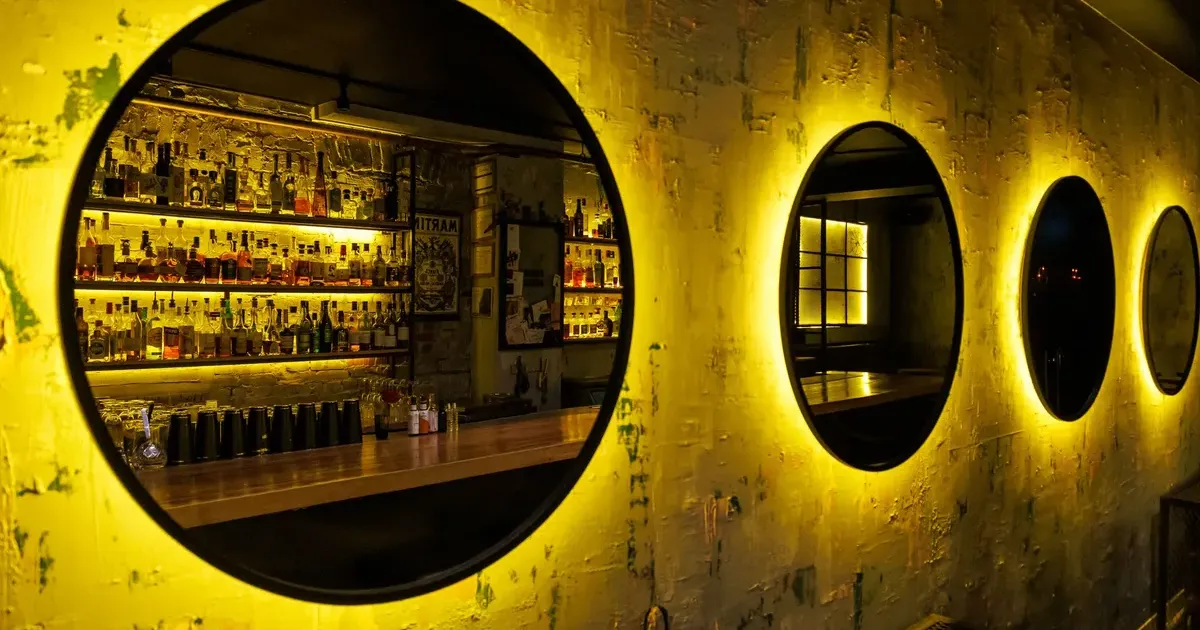
Toronto hospitality experts confirmed that the city now competes directly with global capitals like Paris and Tokyo for beverage supremacy. Luxury travelers increasingly view the Ontario capital as a destination defined by its sophisticated nightlife rather than its traditional image as a quiet administrative hub. Revenue figures for the first-quarter indicate a sharp increase in high-end beverage sales within the downtown core. On March 31, 2026, Toronto’s bar scene was gaining attention as a travel draw in its own right. Investors poured capital into neighborhood-centric concepts that prioritize local ingredients and complex fermentation techniques.
Economic data from the Toronto municipal government suggests that the hospitality sector has outpaced many other service industries in annual growth. This surge correlates with a broader effort to market the city to international tourists seeking refined social experiences. Establishments in areas like Queen West and Yorkville report consistent capacity crowds throughout the week. Mixologists here often emphasize Canadian products, using locally sourced spirits and seasonal produce to distinguish their offerings from generic international menus.
Toronto bar culture has also evolved through older neighborhood patterns. Drinking in Ontario once required navigating strict temperance laws that earned the provincial capital the nickname Toronto the Good. Decades of reform turned the city into a laboratory for high-end hospitality. Legislative shifts allowed for greater flexibility in licensing, enabling entrepreneurs to experiment with concepts that rival those in London. Modern regulations moved away from the restrictive post-Prohibition era, permitting bars to focus on craft and atmosphere. Historical records show that the transition from basement taverns to world-class cocktail lounges took nearly half a century to complete.
Cultural attitudes toward public consumption shifted as the population became more cosmopolitan. International migration brought diverse tastes and techniques to the local workforce. Professional training programs for bartenders gained prestige, raising the standard of service across the metropolitan area. Quality now is the primary differentiator in a crowded market.
West End Creative Districts Drive Innovation
Ossington Avenue is the heartbeat of the modern scene where innovation frequently replaces tradition. Establishments like Civil Liberties prioritize the guest experience by abandoning physical menus entirely. Patrons describe their flavor preferences, and staff members construct bespoke cocktails in response. Such interactions foster a sense of exclusivity and personalization that defines the neighborhood. Creativity flourishes in these spaces because owners are willing to take risks on non-traditional formats. Bar Raval, a Spanish-inspired venue on College Street, showcases complex mahogany woodwork that mimics the aesthetic of Gaudi. Standing-room-only layouts encourage social fluidness and rapid turnover. Management at Bar Raval reports that the design attracts architecture enthusiasts alongside cocktail aficionados. Smaller venues often use every square inch to maximize profitability in high-rent districts.
According to the Toronto Region Board of Trade, the nightlife economy generates serious tax revenue while providing an essential cultural identity for the city.
Mother, a bar located on Queen Street West, focuses on the science of flavor through extensive fermentation programs. Shelves lined with jars of house-made kombuchas and vinegars indicate a commitment to slow-process mixology. The focus on biological processes creates unique profiles that cannot be replicated with off-the-shelf ingredients. Dedicated fermentation rooms allow the team to control every variable of the drinking experience.
Financial District and Heritage Hotel Venues
Corporate Toronto demands a different level of polish compared to the artistic West End. The Library Bar at the Fairmont Royal York reopened after extensive renovations to cater to a demographic seeking old-world prestige. High-backed chairs and wood-paneled walls maintain an atmosphere of professional discretion. Martini service here has become a benchmark for the city, often involving tableside preparation and specific temperature controls. Luxury hotels recognize that high-quality bars are essential for attracting executive travelers.
Writers Room at the Park Hyatt offers panoramic views of the skyline from its location in Yorkville. Historically, this space was a meeting point for Canada's literary elite. The current iteration maintains that legacy while modernizing the menu to include contemporary spirit trends. Real estate values in these districts often rise in proximity to such high-profile social hubs. Yorkville continues to leverage its history to maintain its status as a luxury destination.
Bartenders and owners are also using local ingredients and Canadian spirits to distinguish Toronto from better-known US cocktail markets. That regional identity gives visitors a reason to treat the city as a hospitality destination rather than only a business stop.
The result is a nightlife scene that supports both local loyalty and repeat tourism.
That mix strengthens the city's case for longer leisure stays. The strongest venues make that identity clear locally before it becomes part of a wider travel pitch.
What Toronto Bars Are Selling
Toronto’s bar scene is selling more than cocktails. Neighborhood identity, design, food and service culture now shape how visitors understand the city after dark.
That matters for tourism because hospitality can make a city feel legible quickly. A strong bar circuit gives travelers a social map beyond museums, hotels and major restaurants.