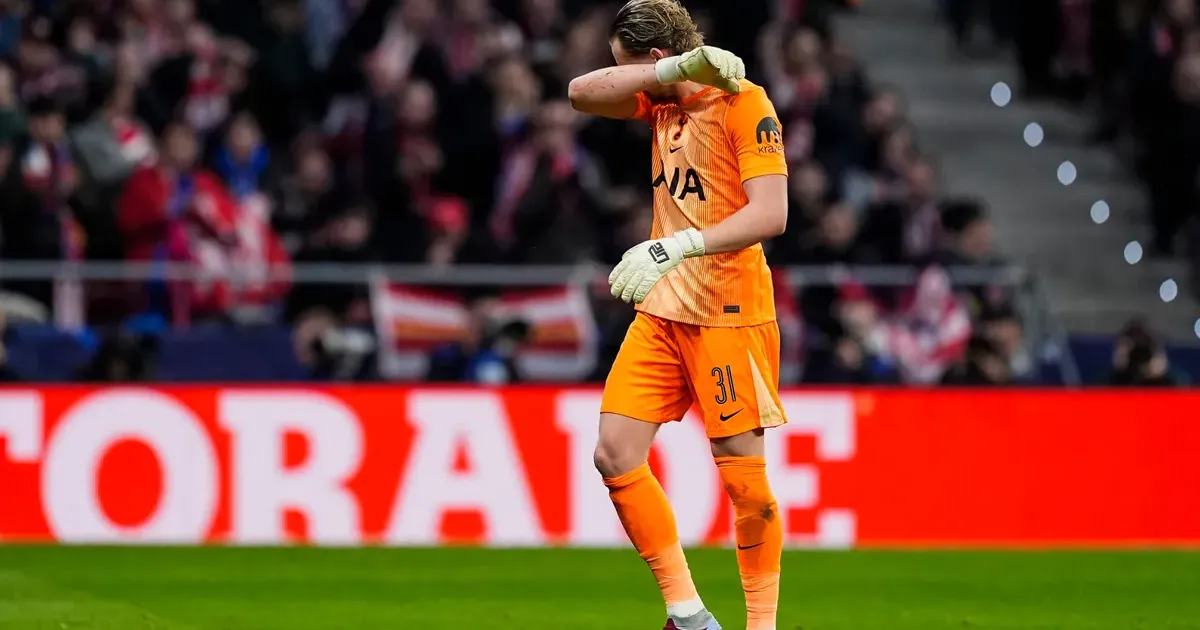
The Antonin Kinsky substitution was the kind of early decision that tells everyone a plan has failed. On March 10, 2026, Tottenham had to react in Madrid before the match could settle into any normal rhythm.
A Confidence Problem
A goalkeeper change is never just tactical. It affects the back line, the crowd, the player removed and the manager who made the original call.
Tottenham goalkeeper decision will therefore be judged by more than the score. It will be judged by whether the staff protected Kinsky or exposed him.
Young keepers can recover from bad nights, but only if the club handles the aftermath with clarity.
What Tottenham Must Own
The sharp conclusion is that Tottenham cannot treat the substitution as an isolated emergency. Selection created the conditions for it.
If the staff believed Kinsky was ready, they need to explain why the plan collapsed so quickly. If they had doubts, starting him in Madrid was reckless.
The next match now matters because it will show whether this was a painful lesson or the start of a confidence spiral.
Kinsky now needs protection more than slogans. A young goalkeeper can survive a brutal night if the club gives him a coherent path back into confidence. That may mean another start in a lower-pressure setting, a clear public message from the manager or a short reset that is not framed as exile. What Tottenham cannot do is leave the decision unexplained. The back line also needs certainty about who is commanding the box next week. Goalkeeping errors spread because defenders start compensating for doubt.
The manager's responsibility is direct. If selection was bold and failed, own it. If the plan changed because the player was overwhelmed, say enough to stop speculation without humiliating him. Madrid exposed a weakness, but the aftermath will show whether Tottenham has a development plan or only a reaction.
Supporters will read the next team sheet as a message. If Kinsky starts, the club is saying the mistake did not define him. If he sits, the club must make the decision look like management rather than panic. Either route can work, but ambiguity will hurt. Young players do not recover in a vacuum; they recover inside the story the club allows to form around them.
There is also a dressing-room question. Teammates know when a player has been left exposed. If the staff handles Kinsky carefully, it can protect both the goalkeeper and the manager's authority. If it looks like blame shifting, the substitution will linger longer than the match itself.
Tottenham also has to manage the public rhythm around the player. Too much defense can make the mistake feel larger, while silence leaves space for harsher interpretations. The better route is calm specificity: what the staff saw, what the player needs and how the next selection fits the plan. Goalkeepers live with visible errors more than most positions. Clubs that develop them well know how to close the noise quickly without pretending the error did not happen.
That is why the next public message matters. A short, firm explanation can stop one bad night from becoming a week-long referendum on the player.