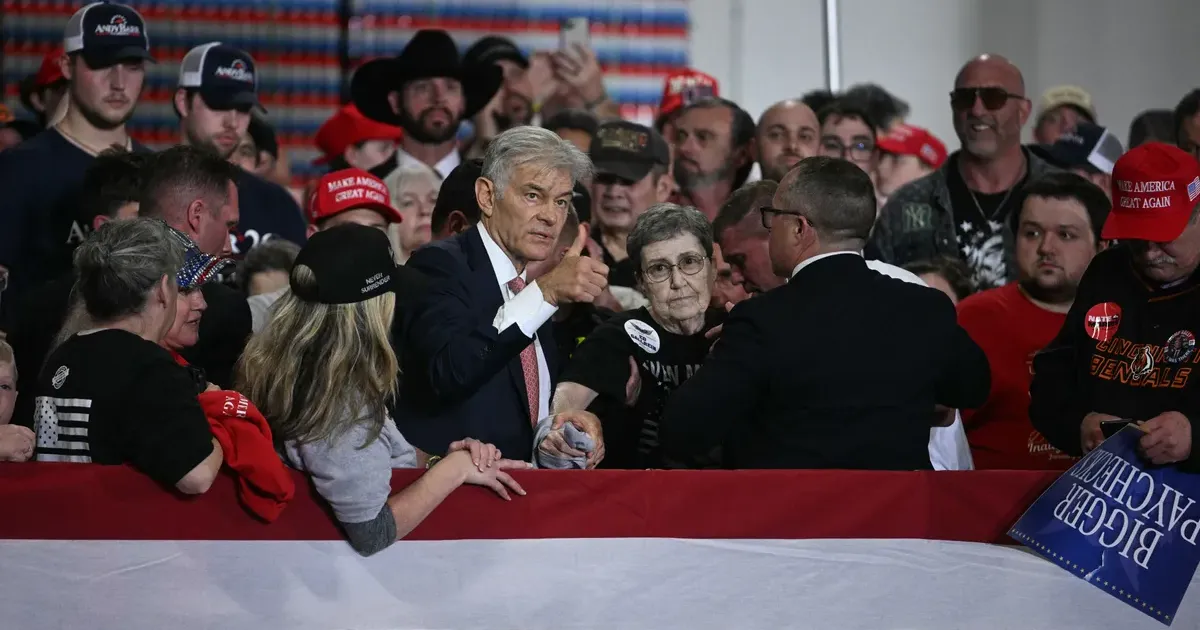
Veteran health gaps and military ethics questions are testing whether the Trump administration can turn campaign-stage sympathy into durable governing policy. The issue sharpened on March 12, 2026, as public gestures toward service members collided with unresolved questions about access to care, benefits administration and the political use of military imagery. The policy question was already larger than one public event or campaign image. Veterans occupy a powerful place in American politics. That makes the gap between praise and policy especially visible when health systems, staffing or accountability standards fall short.
Veteran health gaps and military ethics questions are testing whether public sympathy for service members can survive contact with governing details.
The Health-Care Gap
Veteran health policy is judged through practical outcomes: appointment access, mental health support, disability claims, rural care, staffing and long-term treatment for service-related conditions. The veteran health access problem is that symbolic recognition does not shorten a waitlist, process a claim or staff a clinic. The system needs administrative competence as much as public gratitude. Older veterans, disabled veterans and those living far from major facilities can be especially exposed when policy attention drifts toward speeches rather than service delivery.
Campaign Optics and Service
Military and veteran imagery is politically attractive because it communicates sacrifice, order and patriotism. The ethical risk is that public service becomes a backdrop for partisan performance. Administrations have to maintain a clear line between honoring service and using service members or medical emergencies as campaign theater. That line protects civil-military trust. When the line blurs, critics can argue that veterans are being celebrated as symbols while their actual needs remain underfunded or poorly managed.
Accountability Standards
Military ethics also depend on consistency. Rules around command influence, political activity, contracting, discipline and public conduct have to apply predictably. If allies receive leniency while critics face harsher treatment, trust weakens inside institutions that rely on chain-of-command legitimacy. Veterans watching from outside the system may interpret uneven standards as evidence that service is valued rhetorically but not institutionally.
Policy Burden
The administration can improve its position only through measurable delivery. Faster claims processing, better mental health capacity, improved rural access and transparent oversight would matter more than another staged expression of support. That work is difficult because veteran policy crosses agencies, budgets and local capacity. It is easier to praise veterans than to repair the systems built to serve them.
Respect Has to Become Delivery
The issue sits at the intersection of health care and democratic norms. A country that asks people to serve has a durable obligation after the uniform comes off. It also has an obligation to keep military service from becoming a prop in ordinary political conflict.
Veteran policy has a credibility problem because the public language is almost always supportive. Few politicians openly oppose veterans, which means failures often hide in administration, staffing, eligibility rules and budget execution rather than ideological debate. Leaders should be judged by appointment wait times, claims backlogs, mental health capacity, caregiver support and whether rural veterans can realistically reach services.
The administration's best defense would be boring competence: fewer backlogs, better staffing, clearer ethics rules and less reliance on spectacle to prove commitment. The test is whether it can care for veterans materially while protecting the ethical boundaries that keep military trust from being spent as campaign currency.