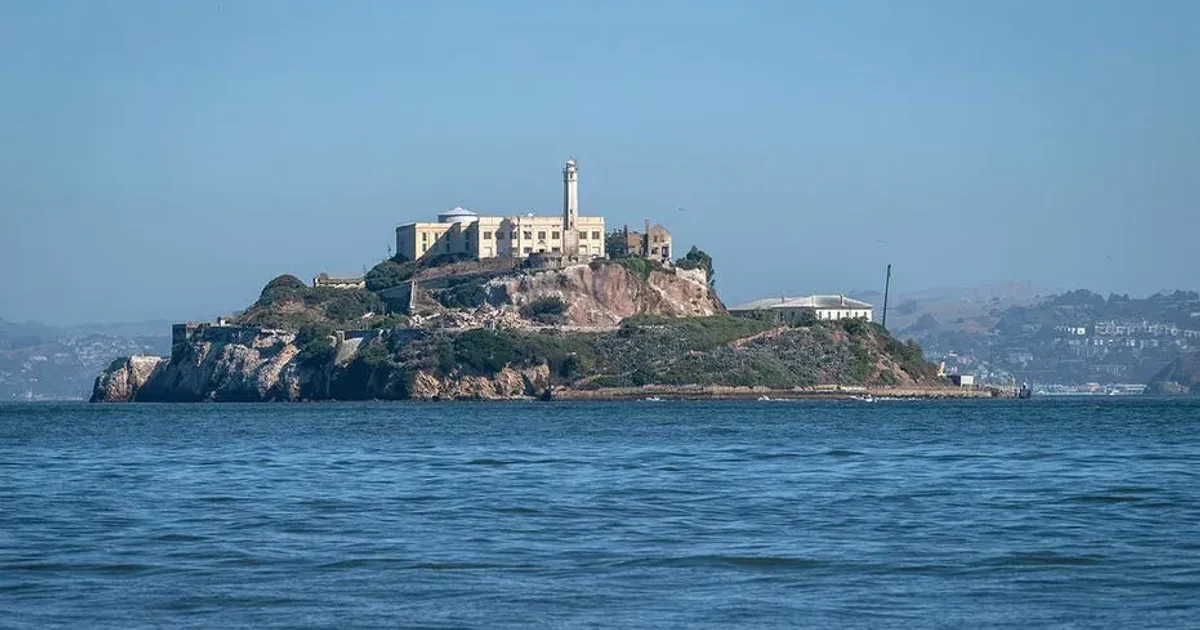
President Donald Trump released a fiscal year 2027 budget request on April 4, 2026, that seeks $152 million to transform Alcatraz Island into a modern federal penitentiary. Washington officials received the proposal during a period of intense friction between the executive branch and congressional appropriators. Bureau of Prisons staff received instructions to coordinate with the Department of Justice to draft blueprints for the facility. Proponents argue the plan addresses a need for higher security for the most violent offenders in the federal system.
Budget documents describe the initial phase as a necessary investment to secure the nation against repeat criminal offenders who contribute nothing but misery. Donald Trump articulated his vision for the facility in a series of social media posts, describing the target population as the dregs of society. National Park Service representatives manage the site as a landmark in San Francisco Bay. Federal planners intend to strip the museum status to return the island to its 1934 origins as a high-security lockup.
Legislative leaders in California immediately condemned the spending request. Nancy Pelosi, the former House Speaker, called the notion of rebuilding the prison a waste of taxpayer dollars. San Franciscans view the island as a historic museum rather than a potential site for a political prop. Local opposition suggests a protracted legal battle if the Department of Justice attempts to seize full control of the property from current administrators. Construction would require major overhauls of 19th-century infrastructure. Environmental groups expressed concerns about the impact of a high-capacity prison on the delicate bay ecosystem.
Legal experts predict that the National Park Service will challenge the transfer of jurisdiction in federal court. Regional politicians promised to block any attempts to transport high-security inmates through the city's docks. Municipal authorities have already begun reviewing zoning laws to prevent the transition. Protective orders could delay the project for several fiscal cycles.
Alcatraz Funding Sparks San Francisco Political Backlash
Reopening a facility that has been shuttered since 1963 presents substantial logistical and engineering hurdles. Construction crews would need to retrofit crumbling concrete structures with modern surveillance and containment technology. Early estimates suggest the full cost of the project could exceed the initial request by hundreds of millions. Critics point to the high salinity of the bay environment, which caused the original structure to deteriorate rapidly during its initial three decades of operation. Federal records show the prison originally closed because the cost of shipping fresh water and supplies to the island was prohibitive.
Modern engineering might solve some of these issues, but the energy requirements for a modern facility would be immense. Marine cables would need to be laid across the bay floor to provide stable power. Maintenance costs for the island would likely outpace those of any land-based maximum-security facility in the United States.
Department of Justice officials maintain that the island provides a unique security advantage due to its isolated geography. Traditional prisons in the federal system face increasing pressure from drone incursions and outside communication attempts. Alcatraz remains a naturally fortified position that simplifies the perimeter security requirements for maximum-security inmates. Officials believe the psychological impact of the location acts as a deterrent for potential escapees. Records indicate that no prisoner ever successfully escaped the island and reached the mainland during its 29 years of federal operation. Current security protocols would incorporate biometric scanning and automated perimeter defenses.
The Bureau of Prisons has not yet released the specific criteria for which inmates would be transferred to the island. Preliminary memos suggest the facility would house leaders of transnational criminal organizations. Planners have dubbed the project the most secure site in the Western Hemisphere.
Executive Branch Challenges Congressional Spending Power
While the fiscal year 2027 budget outlines the Alcatraz project, it also highlights a broader shift in how the White House manages federal funds. Politico reports that the Trump administration is increasingly using pocket rescissions to bypass the traditional role of Congress. Legal experts define this tactic as the withholding of approved funds near the end of a fiscal year until the money expires. This maneuver effectively cancels spending without requiring a vote from lawmakers. Administrative officials used this strategy to cancel nearly $5 billion in foreign aid during the previous fiscal year.
Supreme Court justices are reviewing the legality of these spending maneuvers. Lower courts have offered conflicting rulings on whether the president has the authority to ignore specific appropriations passed by the House and Senate. Legal scholars at Bluestem Consulting observe that the constitutional power of the purse is facing its most direct challenge in decades.
Joe Carlile, a former official at the Office of Management and Budget, stated that the current atmosphere makes legislative negotiations nearly impossible. Lawmakers find it difficult to strike deals when the White House might later pocket the funding. Unpredictability in the budget process has led to frequent government shutdowns and temporary funding measures. Congressional aides admit that the standard cycle of hearings and markups have lost their primary influence over federal policy. Republican lawmakers have remained largely silent on the expansion of executive spending authority.
Some fiscal conservatives argue that the president needs these tools to eliminate waste and corruption within the bureaucracy. Democrats characterize the move as a seizure of legislative power that violates the core tenets of the Constitution. The 1974 Impoundment Control Act was designed to prevent exactly this type of executive overreach. Courts must now decide if those 20th-century protections apply to the current administration.
"Rebuilding Alcatraz into a modern prison is a stupid notion that would be nothing more than a waste of taxpayer dollars and an insult to the intelligence of the American people," Pelosi wrote.
Prison System Expansion and National Security Priorities
Federal detention needs have shifted as the administration expands its focus on organized crime and gang activity. The Bureau of Prisons has struggled with aging infrastructure and staffing shortages across its existing footprint. Reopening Alcatraz would provide a specialized hub for high-value detainees who require total isolation. Justice Department planners suggest the facility would house fewer than 300 inmates to ensure maximum control. Specialized transport teams would handle the movement of prisoners to and from the island using secure vessels. High-definition cameras and motion sensors would replace the traditional guard towers that once defined the island's skyline.
Alcatraz Funding Tests Budget Power
The Alcatraz proposal is likely to face legal, environmental and budget fights before any construction question is settled. The request still matters because it shows how the White House wants to frame punishment and spending power.