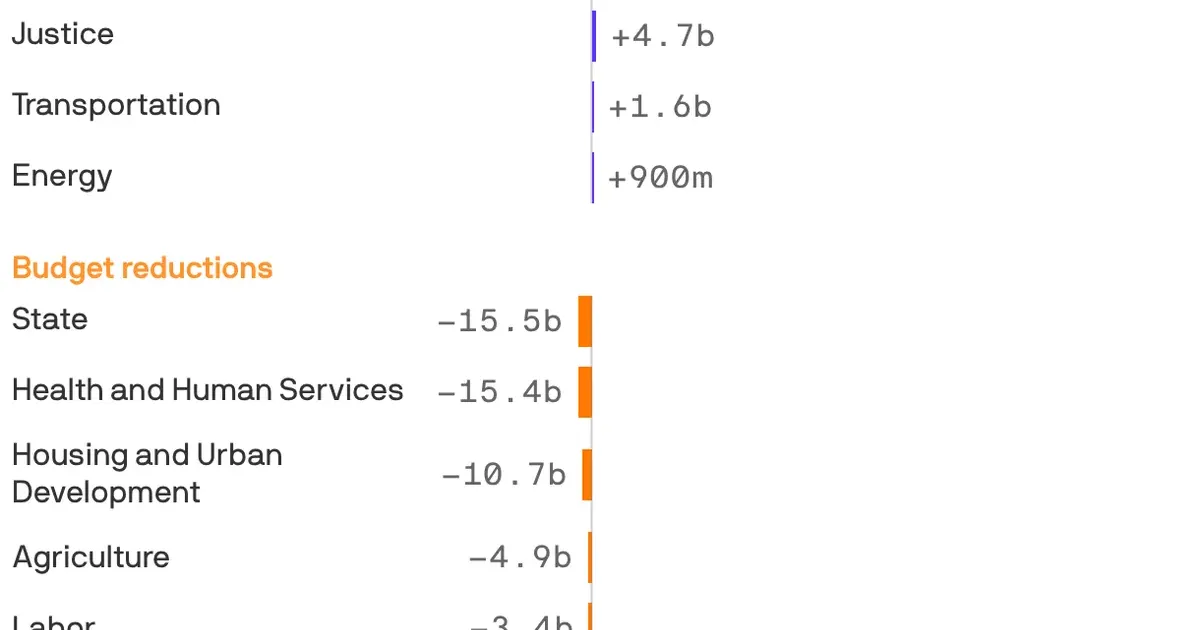
On April 4, 2026, Donald Trump finalized a fiscal blueprint that prioritizes global military intervention over the domestic social safety net. Pentagon officials received notification of a $1.5 trillion budget request designed to sustain active operations across the Middle East. Simultaneously, the White House proposed deep reductions in funding for primary social programs that supported his original populist platform. Economic data indicate that the shift comes as rising energy costs and inflationary pressure erode public support for a second term. The budget demand put Iran war costs at the center of Pentagon funding. Domestic approval ratings hit their lowest point since the inauguration as gas prices climbed toward five dollars per gallon.
Pentagon Budget and Iran Costs
Spending on defense under this proposal would rise by 42 percent compared to the previous fiscal year. Donald Trump seeks to outpace the military expansion seen during the Reagan administration by a meaningful margin. Budget documents allocate an immediate $200 billion for operations specifically targeting Iran and its regional proxies. National security advisors claim the surge is necessary to establish permanent deterrence in the Persian Gulf. Defense contractors have already begun receiving preliminary orders for precision-guided munitions and long-range drones. Treasury reports suggest the total cost of the buildup could exceed the inflation-adjusted price of the early Cold War era.
Military planners are preparing for a sustained presence rather than a brief strike. Naval deployments in the Strait of Hormuz now require double the standard carrier strike group rotation to maintain dominance. Costs for fuel, logistics, and personnel housing have tripled since the commencement of hostilities. The administration insists that the financial burden is a requirement for national survival. Defense analysts at the Heritage Foundation argue that anything less than a trillion-dollar base budget invites aggression from competitors. Air Force procurement cycles have accelerated to meet the demands of the current combat theater.
This budget proposal is a definitive reorientation of federal priorities toward hardware and heavy ordnance. Congressional leaders in both parties noted that the scale of the request leaves little room for negotiation on discretionary spending. Fiscal hawks within the Republican caucus expressed private concern regarding the impact on the national debt. Pentagon leadership maintains that the investment will prevent a larger, more expensive conflict in the future. Initial estimates from the Congressional Budget Office suggest the deficit will expand by $2.4 trillion over the next decade.
Domestic Cuts and Social Safety Nets
Funding for healthcare and education faces first-ever reductions to offset the defense surge. Donald Trump told guests at a private Easter lunch that the federal government can no longer sustain universal social programs. A live stream of the event, which was later deleted, captured the president stating that states must shoulder the burden of local services. Programs such as Medicaid, Medicare, and federally subsidized daycare are the primary targets for these fiscal reallocations. White House Press Secretary Karoline Leavitt later clarified that the administration aims to eliminate fraud and waste within these systems.
"We're fighting wars," Trump told guests. "We can't take care of daycare. Medicaid, Medicare, all these individual things. We have to take care of one thing: military protection. We have to guard the country."
Governors across the country reacted with immediate concern regarding the sudden shift in financial responsibility. States with smaller tax bases may face insolvency if federal Medicaid matching funds decrease by the projected 15 percent. Social Security remains a point of contention despite official assurances that benefits will stay intact. Legislative analysts believe the proposed cuts would remove 4 million people from insurance rolls by 2028. Rural hospitals depend on these federal reimbursements to maintain emergency departments. Local tax increases appear to be the only viable alternative for maintaining existing service levels.
Labor statistics indicate that working-class voters are feeling the strain of redirected resources. Wage growth has failed to keep pace with the localized inflation caused by energy shortages. Families in the Midwest report a 25 percent increase in the cost of childcare since the administration began scaling back federal grants. By contrast, the defense industry in states like Virginia and Texas is seeing record job creation. The divergence between the military economy and the civilian sector is widening. Unemployment in manufacturing hubs remains stagnant while aerospace engineering hubs see a localized boom.
Transparency in warfare has become a central component of the administration's communication strategy. Instead of downplaying military action, the White House releases high-definition footage of airstrikes and naval maneuvers on social media. YouTube analytics show that these videos garner millions of views within hours of being posted. Donald Trump utilizes these visuals to project an image of strength to both domestic and international audiences. This fiscal pivot reinforces the narrative that the United States is actively reclaiming its role as a global hegemon. Traditional media outlets struggle to keep pace with the curated feed of combat achievements provided by the Pentagon.
Voters are now consumers of war through a digital lens that minimizes the human cost. The administration asks little of the public beyond their attention and digital engagement. Unlike the conflicts of the early 2000s, this war is marketed as a technological success story. Graphics and maps often accompany the video releases to simplify complex geopolitical objectives for a general audience. Public relations experts noted that the constant stream of content helps drown out negative coverage of economic indicators. Military recruitment ads have transitioned to a style that mirrors the rapid editing of the administration's official channels.
Internal memos suggest the strategy aims to maintain morale among a population that is increasingly skeptical of overseas involvement. While previous presidents sought to keep war in the background, the current administration puts it at the front of the national conversation. Press briefings frequently feature unedited drone footage to justify the large budget requests. Critics argue that the spectacle of war obscures the reality of the fiscal trade-offs being made. Public opinion remains deeply divided on whether the visibility of the conflict makes it more or less palatable. Video views for the latest carrier strike surpassed 50 million in three days.
Foreign policy experts at the Council on Foreign Relations believe the Iran conflict could persist for years. The lack of a clear exit strategy complicates the fiscal outlook for 2027 and beyond. Diplomatic channels remain closed as the administration focuses on a military-first approach. Historically, prolonged conflicts have a tendency to erode the political capital of the presiding administration. Efforts to negotiate a ceasefire have been repeatedly rejected by the White House. The current strategy relies on the hope that total military dominance will eventually force a favorable resolution.
Supporters of the budget argue that the domestic cuts are long-overdue reforms to a bloated bureaucracy. They view the military buildup as a revitalization of the American industrial base. Skepticism persists among those who see the shift as a betrayal of the original America First doctrine. The administration faces a difficult path to pass the $1.5 trillion request through a divided Congress. Legislative leaders have scheduled the first round of hearings for late April. Market volatility continues to reflect the uncertainty of the global security situation.
Pentagon Funding Push Tests Budget Priorities
The Pentagon request may be defensible as wartime spending, but it still competes with domestic programs and debt politics. Congress will have to decide whether the Iran conflict justifies a durable reset in defense funding.