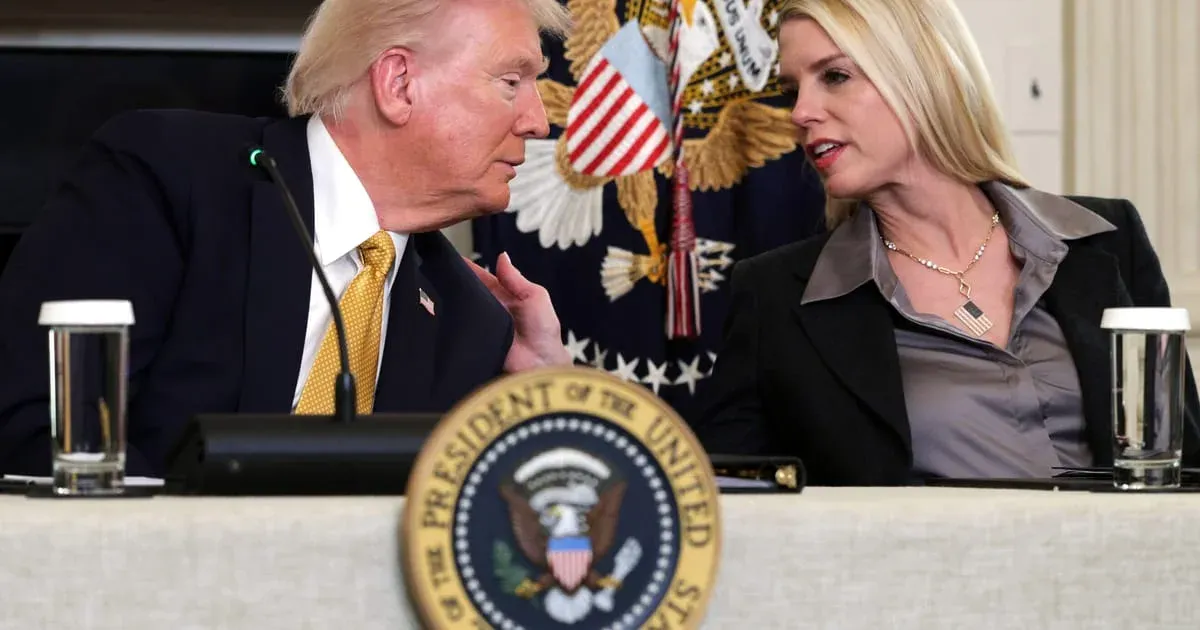
Donald Trump initiated a broad review of his executive leadership after the high-profile dismissal of Attorney General Pam Bondi. Sources within the administration indicate that the president has grown frustrated with the performance of several key officials. Commerce Secretary Howard Lutnick and Labor Secretary Lori Chavez-DeRemer now face intense scrutiny as part of a potential broader restructuring. The April 4, 2026 cabinet review kept attention on loyalty tests inside the administration. Personnel shifts began accelerating this spring, triggered by a desire to install more aggressive loyalists in secondary and primary roles. Bondi left her post on Thursday, joining former Homeland Security Secretary Kristi Noem in the ranks of high-ranking officials who have exited the administration recently.
Executive dissatisfaction appears centered on a perceived lack of speed in implementing trade policies and labor reforms. White House aides describe a president who is increasingly impatient with bureaucratic delays and negative media coverage. One administration official familiar with the internal dynamics noted that the president feels some members of his team have failed to match his intensity. Recent discussions in the Oval Office suggest that a major reset is under consideration to address what advisors call a threatening political landscape. No final decisions have been made, but the atmosphere inside the West Wing is reportedly tense.
Commerce Secretary Faces Intense Executive Scrutiny
Howard Lutnick has been the designer of the administration's aggressive trade stance since the start of the term. Aides close to the president report that while Lutnick has secured significant deals, his standing has weakened recently. The Commerce Secretary manages a vast portfolio including semiconductor manufacturing, pharmaceutical regulation, and trade relations with Japan and Canada. Some internal critics suggest he has generated too much negative attention through public disputes. White House spokesperson Taylor Rogers issued a statement claiming that Lutnick is doing a great job standing up for American workers. Rogers insisted that the Secretary continues to have the full support of the executive branch.
Supporters within the Department of Commerce push back against the narrative of instability. They point to Lutnick's hard-line on Canadian trade and his successful negotiations with Japanese officials as evidence of his effectiveness. One official reached out to defend the Secretary, noting that everyone in the department remains thrilled with the results achieved on tariffs. This official argued that Lutnick has executed the president's vision from day one without hesitation. Internal reports, however, characterize his current position as being on thin ice.
"He's very angry and he's going to be moving people," an administration official familiar with the dynamics told POLITICO.
Personnel decisions in this administration often follow a pattern of public praise followed by private reprimand. Trump has frequently contemplated firing subordinates only to reverse course at the last minute. The current deliberation reflects a desire to maximize leverage before the next legislative session begins. Critics of the potential move argue that replacing the head of Commerce would disrupt ongoing negotiations with global trade partners. Markets often react poorly to sudden changes in trade leadership, particularly when major tariff adjustments are pending. The Department of Commerce oversees $11 billion in federal research and development grants that require stable oversight.
Labor Department Leadership Enters Uncertain Period
Lori Chavez-DeRemer faces a similarly unstable future at the Department of Labor. Sources suggest the president is disappointed with the pace of regulatory rollbacks under her leadership. Chavez-DeRemer was initially brought in to bridge the gap between traditional Republican labor views and the administration's populist base. That balancing act has become more difficult as the political climate shifts toward more radical interventionism. A senior official suggested that her future is tied to the president's broader goal of reshuffling the Cabinet to ensure total alignment. The White House has not yet named potential successors for the Labor post.
Management styles within the executive branch prioritize personal loyalty over institutional expertise. Chavez-DeRemer has worked to implement the president's domestic manufacturing agenda while managing complex union relationships. Some advisors argue she has underperformed in high-stakes public appearances. Others within the administration believe she is being unfairly targeted for broader policy failures. The Labor Department currently handles thousands of pending cases related to workplace safety and wage disputes. One source indicated that her removal would be part of a larger effort to purge officials who have failed to secure sufficient positive media coverage.
Internal Resistance Meets White House Reform Efforts
Reports of friction between the White House and its Cabinet departments have become more frequent in early 2026. The ouster of Bondi and Noem created a power vacuum that several factions are now competing to fill. These internal battles often spill into the public through strategic leaks from anonymous sources. Some aides believe that making additional changes will demonstrate strength and resolve. Others worry that constant turnover prevents the government from functioning at a basic level. The president has reportedly grown weary of officials who prioritize their own reputations over the administration's goals.
Staffers at the Commerce and Labor departments find themselves in a state of professional limbo. Work on several major initiatives has slowed as leadership focuses on job security. A second senior official cautioned that the president has moved off the idea of removing Lutnick in the past. This suggests that the current threat may be a management tactic to increase productivity. Loyalty remains the primary metric by which all Cabinet members are judged in this environment. The president often uses the threat of dismissal to maintain discipline among his top lieutenants.
Cabinet turnover at this level of government typically indicates a shift in policy direction or a response to mounting political pressure. Political analysts note that the administration is preparing for a series of high-stakes confrontations in the coming months. Reshuffling the Cabinet allows the executive to place more aggressive fighters in positions of power. The departure of Bondi, who was seen as a key legal ally, suggests that no one is truly safe from dismissal. Every Cabinet member must now justify their continued presence in the administration. The White House has not provided a timeline for when final decisions will be made.
Economic indicators often fluctuate based on the perceived stability of the president's inner circle. International partners monitor these personnel changes to gauge the direction of American foreign and economic policy. A change at Commerce would immediately trigger reviews of existing trade agreements. Labor market participants also look for consistency in the enforcement of federal regulations. The administration maintains that these reviews are a normal part of executive oversight. Trump continues to hold private meetings with advisors to discuss the next phase of his staffing strategy.
Cabinet Changes Keep Loyalty Under Review
The reported cabinet review keeps loyalty at the center of Trump's second-term management style. Each removal may solve one political problem while creating another confirmation, legal or morale fight.