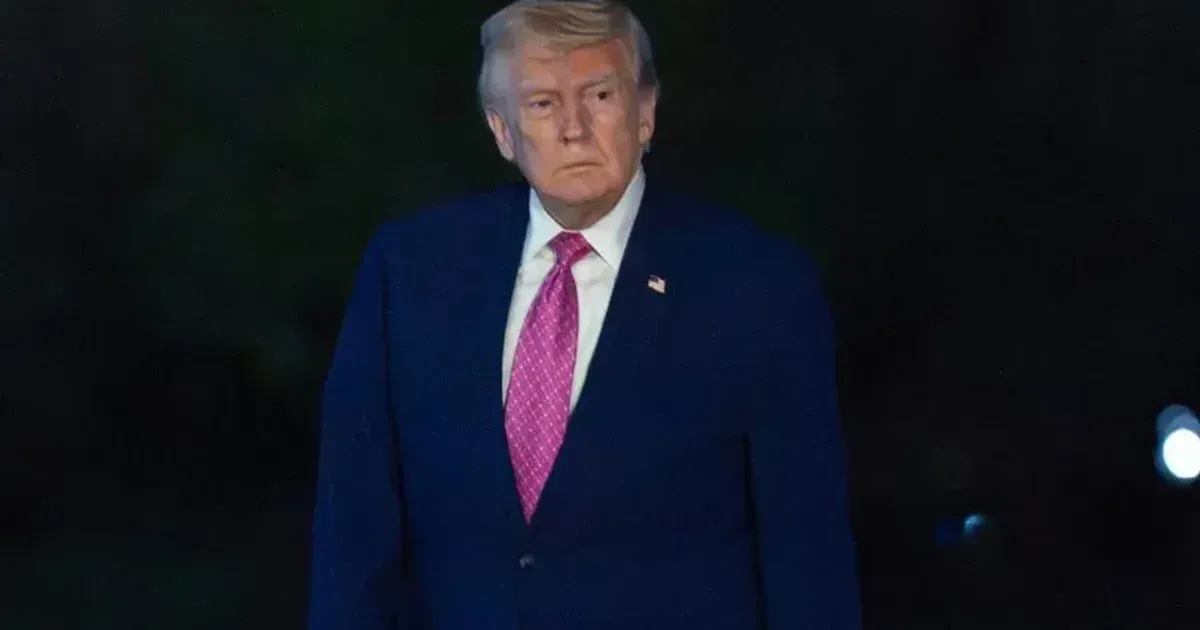
President Donald Trump said domestic oil prices could fluctuate sharply while the U.S. military maintains a blockade in the Strait of Hormuz. By April 15, 2026, commercial insurance rates for tankers in the Persian Gulf had climbed sharply as naval assets patrolled the shipping lanes. Speaking to reporters about the economic outlook, he suggested that energy costs could drop or stay level but also admitted a price increase is possible. The uncertainty turned fuel costs into a political issue ahead of the midterms.
Energy markets responded to the comments with immediate volatility. West Texas Intermediate crude surged briefly before settling near $100 per barrel as traders weighed the potential for a prolonged disruption. While the war in Iran appears to be on a tactical pause, the financial effects of the conflict are accelerating. Analysts noted that the premium for geopolitical risk is now baked into every gallon of gasoline sold at American pumps. Average national prices reached $4.65 per gallon earlier this week.
Donald Trump expressed uncertainty about the trajectory of these costs during his Sunday address.
“The price of oil and gas could be down, the same or maybe a little bit higher by the midterms,” Trump said.
Voters heading to the polls in November 2026 are already feeling the pressure of what economists call warflation. This phenomenon occurs when military conflicts disrupt the supply of raw materials, driving up prices for finished goods far beyond the initial energy sector. Inflation data released by the Bureau of Labor Statistics shows that transportation costs are rising at the fastest pace in a generation. Every shipping container entering a West Coast port now carries a war surcharge of at least $1,200.
Strait of Hormuz Blockade Rattles Energy Traders
Naval operations in the Persian Gulf have effectively halted the flow of 20 percent of the world’s liquid petroleum. By blockading ships looking to enter the waterway, the administration seeks to exert maximum pressure on Tehran. Global markets, however, rely on the predictable transit of these vessels to maintain refining schedules in Europe and Asia. Supply shortages are beginning to manifest in the form of regional diesel rationing. Spot prices for heating oil in the Northeast jumped 12 percent in the last 48 hours.
Fuel is the blood of the global economy. Logistics firms are rerouting shipments around the Cape of Good Hope to avoid the conflict zone. Such a detour adds 14 days to a standard transit from the Middle East to the United Kingdom. Because fuel consumption for these longer voyages is higher, the carbon footprint and the cost of every consumer good increase simultaneously. Retailers like Walmart and Target are already warning that prices for holiday inventory will be adjusted to reflect these maritime challenges. Freight companies have reported a 22 percent increase in operational overhead since March.
Warflation Extends Economic Pressure Beyond Gas Pumps
Geopolitical instability creates a wider effect that touches every sector of the American economy. Agricultural producers are particularly vulnerable because fertilizer production requires large amounts of natural gas. When fuel prices spike, the cost of growing corn and wheat follows almost immediately. Farmers in the Central Valley of California report that their diesel expenses for irrigation pumps have doubled compared to last year. Wholesale food prices rose 3.4 percent in the first quarter alone. Beyond the farm, the manufacturing sector faces a shortage of petroleum-based polymers. Plastics used in medical devices and automotive parts are becoming more expensive and harder to source. Major manufacturers like Ford and General Motors have slowed production lines to account for rising raw material costs. Economists suggest that these supply-side shocks are harder to tame than demand-side inflation. Consumer sentiment indices fell to a three-year low in the latest University of Michigan survey.
White House Predicts Uncertain Oil Price Trajectory
Politically, the timing of the energy spike is problematic for the administration. Donald Trump faces a difficult electoral map in the upcoming midterms where inflation is the primary concern for suburban voters. While the president claims prices could drop, the physical reality of the blockade suggests otherwise. Removing the naval presence would likely lower prices but would also signal a retreat from the current foreign policy stance. White House advisors are reportedly debating a release from the Strategic Petroleum Reserve to stabilize the market. The reserve currently holds its lowest level of crude since 1983.
International allies are expressing frustration with the maritime restrictions. Leaders in London and Paris have urged the White House to establish a safe corridor for commercial traffic. Without such a corridor, the European Union faces a severe energy deficit before the winter months. Japan and South Korea, which are almost entirely dependent on Middle Eastern imports, have begun tapping into their national stockpiles. Diplomatic cables suggest that several G7 nations are considering a formal protest at the United Nations. China has increased its purchases of Russian oil to fill the gap left by the Hormuz blockade.
Market stability is a requirement for long-term growth. Private equity firms have pulled back from emerging market investments due to the uncertainty in the Persian Gulf. Currency markets are also showing signs of stress as the dollar strengthens against the euro and the yen. A strong dollar makes oil even more expensive for foreign buyers, further dampening global demand. Shipping lane security is now the top priority for every major central bank. The Federal Reserve is expected to keep interest rates elevated until the energy situation clarifies.
Midterm Politics at the Pump
National security and economic stability exist in a zero-sum relationship when the theater of conflict is a global energy choke point. Donald Trump is attempting to project confidence about the midterms, but his admission that prices could rise reveals a lack of leverage over the very markets he intends to influence. A naval blockade is a blunt instrument that lacks the precision required to manage a globalized economy. By restricting the Strait of Hormuz, the administration has essentially held the world's supply chains hostage to a regional power struggle that shows no sign of a quick resolution.
The term warflation is more than a catchy headline; it describes a structural decay in the purchasing power of the middle class. When energy costs become volatile, the predictive models used by businesses to set prices and wages collapse. This leads to defensive pricing strategies where corporations hike costs in anticipation of future shocks, creating a self-fulfilling prophecy of inflation. The military pause in Iran provides a false sense of security while the economic damage continues to accumulate behind the scenes.
Washington seems to believe that military dominance can override the laws of supply and demand, a fallacy that has humbled previous administrations. If the blockade continues through the summer, the midterms will not be a referendum on policy, but a reaction to the price of a gallon of milk and a tank of gas.
The era of cheap energy is dead, buried under the weight of geopolitical ambition and naval steel.