Bill Maher’s Mark Twain Prize became another front in the political fight over comedy, media power and presidential criticism. The clash showed how awards culture can become another front in partisan media warfare. On March 28, 2026, Maher responded to President Trump’s complaints about the honor while FCC Chair Brendan Carr was separately celebrating the administration’s battle with legacy media. The two stories are connected by a shared question: when does political criticism of media become pressure on cultural institutions?
Maher did not treat the award dispute as a moment to retreat. He framed Trump’s criticism as part of the game that has long sustained their public exchange, telling viewers he wanted to keep the conflict going rather than turn it into a legal or personal war. That response fit Maher’s brand: combative, amused and unwilling to separate comedy from politics. The Mark Twain Prize is not a government appointment, but it carries symbolic weight in Washington. Honoring Maher placed an anti-Trump comedian inside a national cultural tradition built around satire. That made the prize easy for the administration’s allies to attack and easy for Maher’s defenders to cast as proof that comedy should resist power.
The dispute works because both sides understand the audience value of cultural conflict. Trump can frame the award as another example of elite institutions honoring an opponent. Maher can frame the criticism as proof that satire still irritates power. Neither needs the exchange to resolve. The argument itself is the political product, and that is why a comedy award can become a national media story. The Mark Twain Prize is useful in that fight because it carries prestige without being purely governmental. It sits in the space where entertainment, institutional approval and partisan identity now overlap.
Mark Twain Prize Becomes a Political Symbol
The prize’s name matters. Mark Twain is remembered not only for humor but for social criticism, anti-imperial writing and a deep suspicion of hypocrisy. Maher’s supporters argue that political discomfort is part of the tradition the award is supposed to recognize. A humor prize that never irritates power would be a strange tribute to Twain.
Opponents see the matter differently. To them, Maher represents a media culture that rewards figures hostile to Trump and dismissive of his voters. The dispute is therefore less about one comedian than about who gets institutional approval. In a polarized environment, even an arts award becomes evidence in a larger case about bias. Maher’s response avoided martyrdom. He did not present himself as censored. He presented the fight as fuel for the ongoing relationship between political power and televised satire. That distinction kept the story in the realm of public argument rather than formal suppression.
Brendan Carr Pushes the Legacy Media Fight
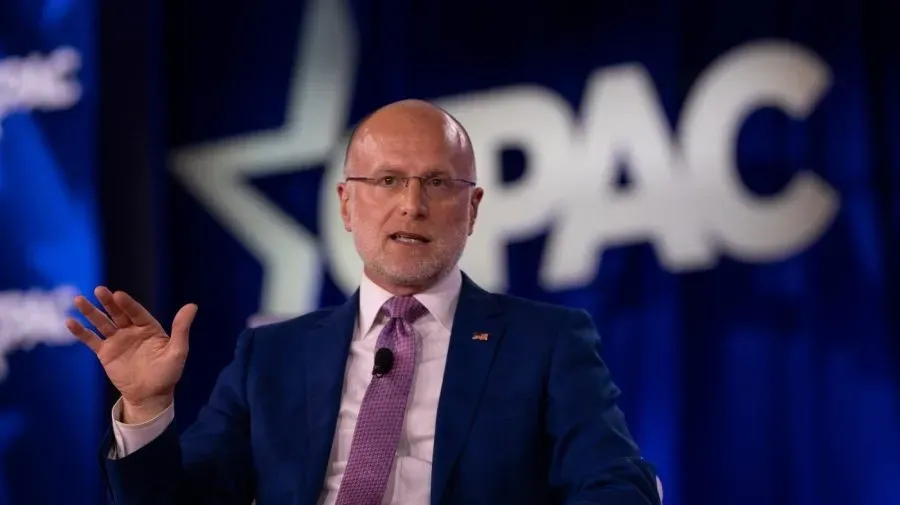
Carr’s comments at CPAC moved the story into a more regulatory register. As FCC chair, his words carry different implications from those of a campaign surrogate or cable commentator. When he says Trump is winning against “fake news media,” supporters hear overdue accountability. Critics hear a regulator cheering political pressure on broadcasters.
The FCC has legitimate authority over broadcast licenses and communications rules. It does not regulate comedy awards, and it does not control HBO in the same way it oversees broadcast television. Still, Carr’s rhetoric contributes to an atmosphere in which media institutions understand that political conflict may carry regulatory consequences, even if no direct action follows.
That is why the Maher and Carr stories belong together. One is cultural and one is administrative, but both reflect a White House-era strategy that treats media criticism as a governing theme. Trump does not merely attack individual hosts; his allies frame legacy media itself as an opponent to be defeated. The more serious question is whether official language changes the stakes. A former president or candidate attacking a comedian is ordinary political theater. A regulatory figure speaking about defeating legacy media creates a different kind of signal, especially for broadcasters and platforms that operate in regulated environments. That does not make every criticism censorship, but it does make precision important. Maher also benefits from the clash because his public persona is built on refusing to treat political leaders as untouchable. The criticism gives him a stage to defend comedy as dissent rather than entertainment etiquette. That does not make the feud profound, but it explains why it keeps producing oxygen. The story keeps returning because that oxygen now has political value. That is why the award functions as a proxy fight rather than a simple honors story. It is culture war with institutional stakes.
The Media Fight Outlasts One Award
The danger for the administration is overreach. Criticizing Maher is politics. Suggesting that hostile media institutions should face official pressure is a different matter. The public can separate distaste for a comedian from concern about whether regulators are celebrating partisan victories over news organizations.
The danger for media figures is complacency. Awards and institutional applause can make criticism of power feel self-validating. Maher’s strongest defense is not that elite culture approves of him. It is that satire has a legitimate role in a democracy, especially when it irritates the people being satirized.
The Mark Twain clash will fade, but the larger fight will not. Trump’s relationship with media remains both personal and strategic. Maher understands the personal side, Carr embodies the institutional side, and the public is left to judge where criticism ends and pressure begins. That boundary is now one of the central media-politics questions of 2026.