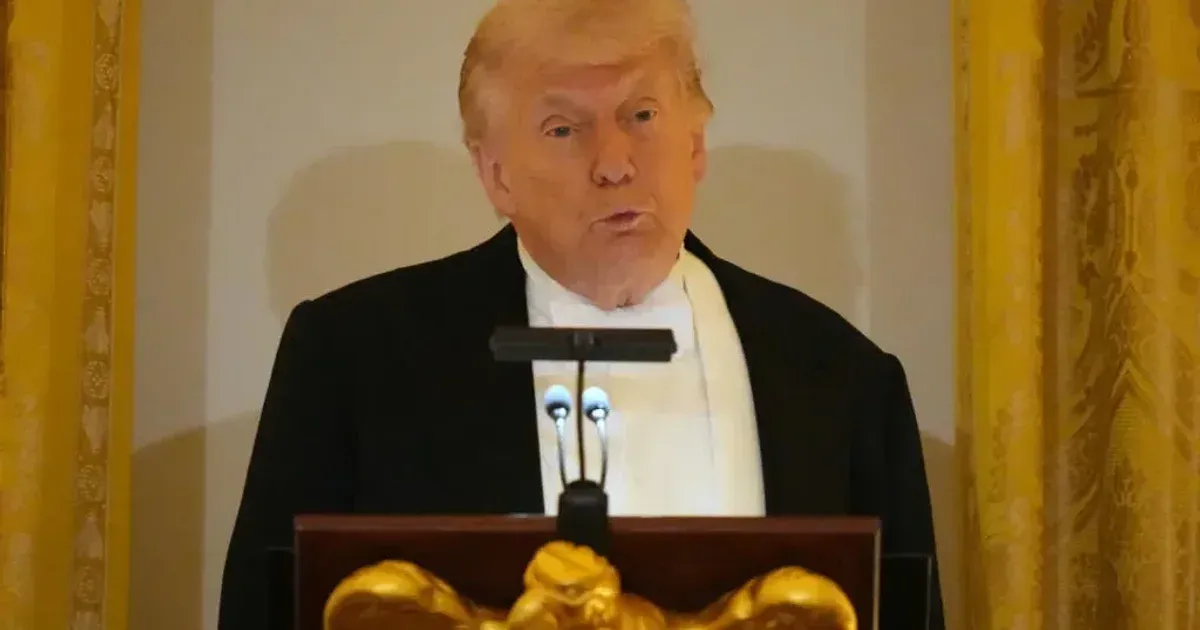
President Donald Trump shifted the trajectory of the Middle East conflict by ordering aides to prepare for a multi-month naval blockade of Iranian ports. The decision was shared with advisers as the administration weighed the risks of renewed kinetic operations. Official confirmation of the directive arrived on April 28, 2026, during a state dinner at the White House held to welcome Britain's King Charles III. The instruction matters because a blockade is more than a diplomatic threat; it affects shipping, insurance, military posture and the expectations of allied governments. By tying the order to a royal visit, Trump also made the policy part of a broader display of wartime leadership. Allied governments will first assess the practical consequences: more naval escorts, intelligence sharing and political explanation to capitals already wary of escalation. Tehran can argue that Washington is choosing economic punishment over negotiation, shaping how neutral states respond at the United Nations. Any challenge, boarding or forced rerouting will also force Congress and allied governments to decide whether the mission remains coercive diplomacy or has become sustained combat support. The longer the posture lasts, the harder it becomes to describe it as a temporary signal rather than standing policy.
Trump told guests that Tehran has been militarily defeated while acknowledging that Iranian officials have reached out to ask for the blockade to be lifted. Reports citing The Wall Street Journal indicate that the president instructed his staff to prepare for a prolonged siege after recent Situation Room discussions. Those instructions point to a transition toward economic pressure rather than a return to active aerial bombardment.
The blockade strategy targets shipping to and from Iranian ports, with officials describing it as a way to squeeze the country's economy and oil exports. Trump has framed that pressure campaign as a lower-risk alternative to renewed bombing, while aides continue to debate how long the maritime restrictions can be sustained without widening the war.
Deadlock persists between the two nations as the conflict enters its third month.
Relief for Iranian ports remains unlikely despite the diplomatic overtures reported by the president. Trump argued that stepping away from the conflict or resuming heavy bombing would each carry greater risks for American interests. He voiced these concerns while hosting the British monarch, using the high-profile setting to frame the current state of the conflict as a definitive win for the United States.
Tehran Requests Relief from Persistent Naval Pressure
Iranian leaders reportedly initiated contact with Washington to discuss terms for ending the maritime restrictions that have crippled the country's trade. Trump noted that Tehran specifically requested a lifting of the naval blockade that currently prevents most commercial traffic from entering or leaving Iranian waters. White House officials have not yet provided a timeline for a formal response to those requests.
"Iran has been militarily defeated," Trump said during his remarks to King Charles III and guests.
European unease over the war also followed the state visit. Trump criticized German Chancellor Friedrich Merz after Merz described the Iran campaign as humiliating for the United States, adding another public dispute to an already strained Western coalition. The clash underscored how the blockade strategy is being judged not only in Tehran and Washington but also among allies asked to absorb its diplomatic and economic consequences.
Britain's role adds another layer to the diplomacy. King Charles used the visit to emphasize the durability of the US-UK relationship, while avoiding a direct endorsement of Trump's war policy. That contrast left Washington praising royal symbolism even as allied governments continued to question the direction and costs of the Iran campaign.
Blockade Strategy Raises Diplomatic Risks
The move toward a prolonged blockade is designed to limit US casualties while maintaining pressure on the Iranian government. Senior officials cited in reports say the president believes a continued naval cordon is the most stable path forward. Resuming large-scale bombing runs would likely trigger a wider regional response that the administration seeks to avoid at this stage.
Israel, meanwhile, continues its own operations as part of the broader conflict. Reports from Al Jazeera indicate that Israeli strikes killed medics overnight, adding to the humanitarian concerns surrounding the regional war. The Israeli military has not provided a specific comment on those deaths but maintains that its operations target military infrastructure.
Strategic analysts describe the blockade as the central pressure tool behind Trump's claim that Iran has been beaten militarily. Washington remains focused on using maritime dominance to force a favorable diplomatic settlement. If the naval cordon extends through the summer, pressure on Iranian trade, oil exports, and domestic prices would deepen, while humanitarian costs could erode the international backing Trump is demanding from European partners.
Choosing a prolonged maritime siege over active bombardment reflects a calculated gamble by the administration. Washington is placing the burden of the next move on Tehran, forcing Iranian leaders to choose between concessions and continued economic isolation. A single miscalculation in the Persian Gulf could still turn the frozen conflict back into open escalation.