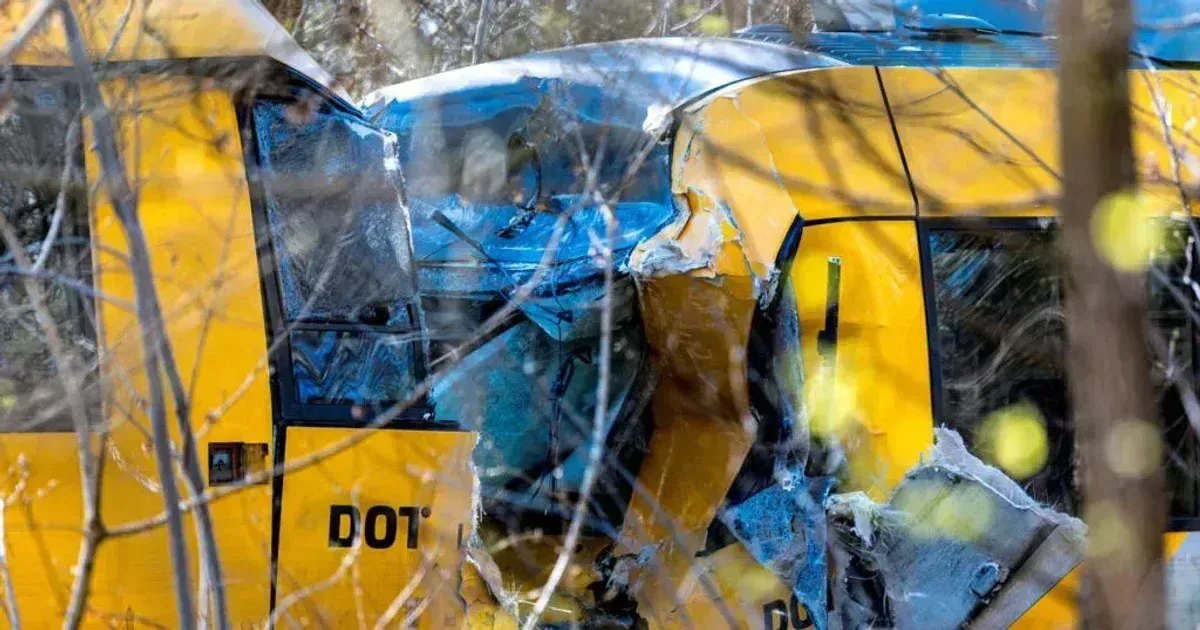
The Jakarta train collision left rescuers working through crushed carriages and conflicting casualty reports. Emergency crews had to cut into twisted metal while families waited for reliable information. Indonesian officials said rescue workers used hydraulic shears and heavy machinery to slice through the mangled carriages of a commuter rail car. Early reports from the scene indicated a chaotic rescue effort as emergency teams struggled with the twisted metal of the rear commuter carriage. Nighttime visibility and the remote location hampered the arrival of medical units during the critical first hour of the response. The operation began in the late hours of April 27, 2026, and continued through the morning of April 28, 2026, following a high-speed collision between a long-distance express and a stationary local train.
Survivors described a sudden, violent impact that threw passengers across the interior of the train. Local media outlets reported that the long-distance express was traveling at high speed when it struck the commuter line train near a residential area on the outskirts of Jakarta. Initial estimates of the casualties varied sharply among official sources and international news agencies. While Al Jazeera initially reported five deaths, The Guardian World stated that seven people had died, with 81 injured in the wreck.
Fatality counts climbed sharply in subsequent hours. DW News reported that at least 14 people lost their lives in the impact or during the evacuation. Rescue officials from the national agency focused their efforts on two individuals who were reported trapped alive inside the wreckage nearly six hours after the initial crash. KAI, the state-owned railway operator, deployed specialized engineering teams to assist in the stabilization of the tracks and the removal of the derailed locomotives.
Emergency Teams Scour Debris for Survivors
National search and rescue agency personnel established a perimeter around the crash site to allow forensic teams to document the position of the carriages. Two passengers remained pinned beneath a collapsed ceiling section of the commuter car, according to a KAI spokesperson who addressed local television. Medical teams standing by on the embankment provided intravenous fluids to those still trapped while engineers worked to cut through the reinforced steel frame. This specific rescue operation required extreme precision to prevent further shifts in the wreckage that could crush the survivors.
Hospitals in the surrounding district reached capacity within hours of the incident. Emergency departments treated dozens of passengers for blunt force trauma, broken limbs, and internal injuries. Witnesses near the tracks reported hearing a sound like a thunderclap followed by the screeching of metal on metal as the express train drove the commuter car off the rails. Nearby residents were the first to reach the scene, using flashlights to guide dazed passengers away from the live electrical lines that had been torn down during the collision.
Search efforts shifted to a second carriage around 3:00 AM.
Preliminary reports suggest the commuter train had stopped on the track due to a mechanical failure or a signaling error. Investigators are currently examining why the long-distance express was permitted to enter the same block of track at high speed. Signal logs and communication records between the drivers and the central control hub in Jakarta have been seized by the National Transportation Safety Committee for a full forensic audit. Lack of automated braking systems on older sections of the rail network has previously been cited as a vulnerability in the national transit system.
Rail Safety Standards Under Intense Review
Infrastructure experts point to a history of signaling failures in the West Java region as a possible factor in the disaster. Despite recent investments in the high-speed rail corridor between Jakarta and Bandung, the traditional commuter and long-distance lines often rely on legacy systems that require manual intervention. Safety protocols dictate that a stationary train must be protected by a series of red signals, yet the express train appears to have received no warning of the obstacle ahead. Transport officials have not yet confirmed if the signals were functioning at the time of the impact.
Transport officials said the priority was extracting trapped passengers and recovering victims before turning to the mechanical cause of the failure.
Public pressure on the Ministry of Transportation is expected to intensify as the death toll rises. Similar accidents in the past, including a major collision in January 2024, resulted in promises of thorough safety upgrades that critics claim have not been fully implemented. Funding for the national railway system is often diverted toward high-profile prestige projects, leaving the core commuter infrastructure to operate with aging equipment. KAI said services on affected lines were disrupted while the investigation continued.
Railway safety remains the primary concern for the transport ministry.
Victims' families gathered at the local police station to await official identification of the deceased. Most of the fatalities occurred in the final car of the commuter train, which absorbed the majority of the kinetic energy from the express locomotive. The impact was so severe that the rear carriage was compressed to half its original length, making the task of identifying those inside exceptionally difficult. Government officials have promised a full inquiry and compensation for the families, though previous legal settlements in the rail sector have taken years to resolve.
Jakarta’s Rail Disaster Exposes the Cost of Neglected Legacy Lines
Does the recurring nature of these collisions indicate a systemic failure in state railway oversight? The tragedy outside Jakarta exposes the dangerous gap between Indonesia’s high-speed ambitions and its neglected regional lifelines. While the government celebrates the launch of modern rail corridors, the millions of daily commuters on legacy lines remain exposed to antiquated signaling and human error. Security for the traveling public is now a political liability that the administration can no longer ignore through temporary suspensions of staff. A radical shift in capital allocation is required to prioritize sensor-based collision avoidance systems over aesthetic station upgrades.
If the National Transportation Safety Committee fails to produce a transparent report with enforceable mandates, the rail network will continue to be a site of predictable carnage. The credibility of the national transport strategy depends on whether the ministry can move beyond reactionary press conferences to achieve actual technological redundancy. Failure to modernize these lines will not only lead to further loss of life but will also degrade the economic reliability of the capital's essential labor corridor.