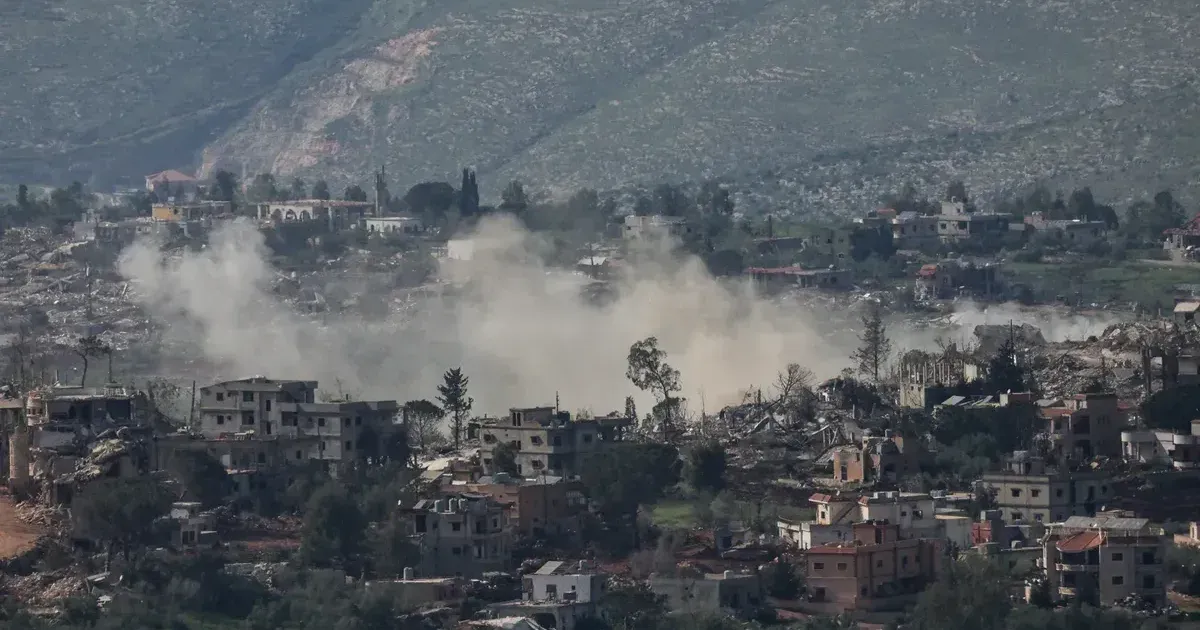
Brazil’s condemnation of Israeli strikes in southern Lebanon turned a family tragedy into a diplomatic dispute. Brazilian diplomats issued a formal condemnation of the Israeli military after strikes in southern Lebanon killed three members of a single family, including two Brazilian nationals. The April 28, 2026 statement intensified pressure on the fragile regional truce established earlier this spring, and diplomatic friction between Brazil and Israel is rising. Itamaraty, the foreign ministry of Brazil, identified the victims as an 11-year-old boy and his mother, both Brazilians, along with the boy's Lebanese father.
Brazil's government expressed deep consternation regarding the April 26 incident, which occurred despite a formal ceasefire extension meant to hold until the second half of May. Another child from the same family survived the bombardment but was transported to a local hospital for emergency treatment. Itamaraty officials said the deaths showed why the ceasefire between Israel and Lebanon must be fully respected across Lebanese sovereign territory, not treated as a temporary pause that permits renewed strikes near civilian homes.
Brazilian Diplomatic Response
Israeli authorities initiated new operations in the southern border zones on Sunday, asserting that military necessity dictated the strikes. These maneuvers persist even as international mediators attempt to preserve the fragile cessation of hostilities between the Israel Defense Forces and Hezbollah. Reports from the French news agency RFI indicate that dozens of civilians, including women and children, have perished in the border region since the current escalation began.
Hezbollah, meanwhile, maintains a defiant stance against Israeli military movements. Commandos from the Iran-linked group have reiterated their intent to continue operations if Israeli incursions do not cease. The Israeli defense minister responded with a public threat to burn all of Lebanon if the security of northern Israeli settlements cannot be guaranteed through diplomatic channels, rhetoric that has complicated United Nations efforts to stabilize the Blue Line.
Brasilia intensified its calls for a total withdrawal of Israeli troops from Lebanese territory. Foreign policy advisors under President Luiz Inacio Lula da Silva are pressing for Lebanese sovereignty to be respected and for regional truces to be extended before the violence becomes a wider conflagration across the Levant. Brazilian officials said they will continue coordinating with international partners to seek accountability for the slain citizens.
News of the Brazilian family's death has sparked protests in several cities, where demonstrators are demanding stronger international oversight of the conflict zone. The Brazilian government continues to monitor the condition of the surviving child as hospital staff in Lebanon provide medical care. Civilian infrastructure in several southern villages also sustained damage during the Sunday afternoon raids, leaving residents without reliable utilities or safe passage.
International monitors from the United Nations Interim Force in Lebanon have repeatedly warned that cross-border fire and retaliatory raids are undermining the practical value of the ceasefire. For Brazil, the issue is no longer only a distant Middle Eastern security dispute; it is a consular crisis involving citizens killed abroad and a test of whether neutral foreign nationals can be protected when Israeli-Hezbollah fighting resumes near populated villages.
Brazilian Casualties Turn the Lebanon Truce Into a Diplomatic Test
The loss of Brazilian citizens introduces a diplomatic risk that goes beyond the immediate military theater in southern Lebanon. Israel relies on a degree of international acquiescence to conduct operations against Hezbollah, yet killing citizens of a major G20 nation erodes that political capital and gives Brasilia a reason to take a more assertive role in Middle Eastern diplomacy. That matters because Brazil has historically tried to keep channels open across competing blocs rather than align fully with Washington's regional priorities. A harder Brazilian line would add diplomatic weight to existing calls for outside monitoring, humanitarian access and clearer accountability when ceasefire violations kill foreign nationals, especially when one surviving child still requires medical care and consular monitoring after the strike and during any formal repatriation process.
Security across the Eastern Mediterranean now depends on whether Israel treats the diplomatic cost of Brazilian casualties as a serious deterrent or a secondary concern to its border objectives. If the ceasefire collapses entirely, the conflict could shift from targeted strikes toward a broader campaign against Lebanese infrastructure, raising the risk of deeper civilian displacement and a larger regional confrontation. The deaths therefore turn one local strike into a broader test of whether the truce has any enforceable political weight.