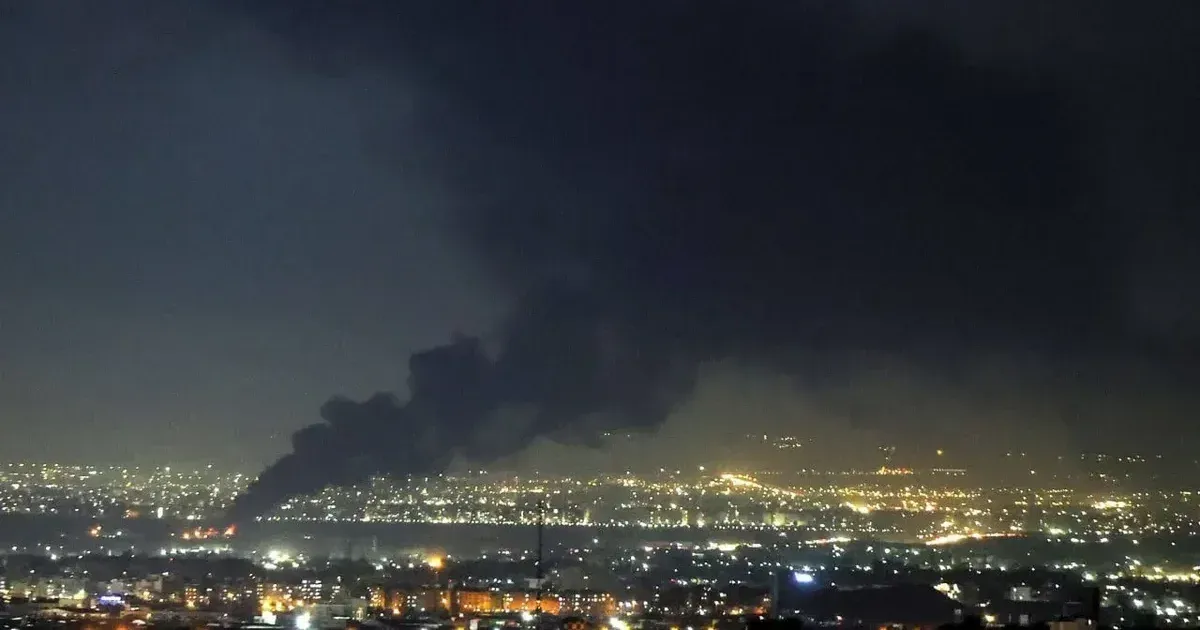
Friedrich Merz’s warning on Iran has widened the split between Washington’s military posture and Europe’s appetite for escalation. The German chancellor is not questioning alliance ties in abstract terms; he is challenging the absence of a visible endgame. That critique matters because the conflict is already spilling into energy markets, trade routes and Asian diplomacy. Berlin’s concern is that tactical pressure without a political exit will harden the stalemate. German Chancellor Friedrich Merz delivered one of Europe's sharpest public rebukes of Washington's Iran campaign, arguing that the United States lacks a clear exit strategy. His warning came on April 27, 2026, as the war settled into a costly stalemate and allied governments questioned whether the American approach had produced national humiliation instead of leverage. Merz argued that Washington risked repeating the failures of previous decades by becoming trapped in a cycle of violence without a defined victory condition.
This conflict, now entering its third month, shows few signs of a decisive resolution. Merz characterized the US position as dangerously similar to the protracted quagmires of Iraq and Afghanistan. He stressed that the absence of a diplomatic off-ramp has left the region in a state of perpetual instability. European leaders, he noted, are increasingly wary of the long-term security implications for the continent.
Washington's latest attempts to salvage diplomatic progress stalled last weekend in the Pakistani capital. Envoys from the White House canceled their scheduled trip to meet with Iranian counterparts after Tehran issued a series of non-negotiable demands. Tehran maintains that no further discussions will occur until the US Navy ends its current blockade of Iranian ports.
Military operations have settled into a costly stalemate. While initial strikes focused on dismantling command structures, the Iranian defense has proven more resilient than Pentagon planners anticipated. The persistence of Iranian mobile missile units has prevented a total air superiority scenario. High-ranking officials in Berlin believe the American military is overextended.
Merz Warns of Strategy Gaps
German leadership has historically sought to balance its alliance with Washington against the economic realities of Eurasian energy security. Merz, however, has abandoned this traditional caution to criticize the lack of foresight in the current campaign. He stated that the lack of a coherent plan has allowed Iran to dictate the tempo of the engagement. The chancellor’s comments reflect a growing rift within NATO regarding the objectives of the war.
Critics in Europe point to the failed ceasefire attempts brokered by Pakistan as evidence of American diplomatic weakness. The fragile pause in fighting has not led to a reopening of essential trade routes. Iranian naval assets continue to challenge the maritime presence in the region. This stalemate persists despite the heavy deployment of American carrier strike groups. The ongoing US naval blockade of the Strait of Hormuz has intensified calls for a shift in American strategy.
“This war should not have taken place,” Sihasak Phuangketkeow said in an interview.
Phuangketkeow, the Thai Foreign Minister, echoed the sentiment that the global community is bearing the cost of a war it did not sanction. Thailand has experienced a sharp decline in trade as energy costs rise. Bangkok is now forced to recalibrate its foreign policy to reduce these losses. The minister indicated that traditional security partners are no longer providing the necessary economic stability.
Thai Diplomacy Shifts Toward Beijing and Moscow
Bangkok is actively approaching Russia and China to secure energy supplies and infrastructure investment. Sihasak Phuangketkeow noted that the United States has offered little assistance to help Southeast Asian nations weather the war’s fallout. This pivot highlights the deteriorating influence of Washington in regions once considered reliable spheres of American interest. Thai officials are seeking alternative currency arrangements to bypass the volatility of the dollar.
Beijing has capitalized on this diplomatic opening by offering trade credits and technical assistance. Russian energy firms have also stepped in to fill the gap left by Middle Eastern disruptions. These developments suggest a broader reorganization of international power structures. Washington's limited economic support during the Iran crisis has accelerated this trend.
Regional powers are no longer waiting for a Western resolution. The alliance between Moscow and Beijing provides a counterweight to American military pressure. Thailand’s outreach is a pragmatic response to the reality of a globalized economy under stress. Local markets require stability that the current conflict has destroyed.
Strait of Hormuz Blockade Halts Global Growth
The Strait of Hormuz is currently blocked, effectively severing one of the world's most critical energy arteries. The closure has triggered a spike in oil prices that threatens to derail the global recovery. Industry experts estimate the daily loss of revenue for oil-producing nations at over $1.2 billion. Shipping companies have rerouted vessels around the Cape of Good Hope, adding weeks to delivery times and increasing carbon emissions.
Tehran’s refusal to negotiate until the naval blockade is lifted has created a diplomatic deadlock. The US Navy remains stationed in the Gulf, but its presence has not restored the flow of commerce. Iranian officials have used the blockade as a rallying point for domestic support. The situation on the water is tense, with frequent close-quarter encounters between fast-attack craft and American destroyers.
Logistical chains are breaking down across multiple sectors. Manufacturing hubs in Asia are reporting shortages of raw materials previously sourced via the Gulf. The cost of insurance for maritime transit has reached unsustainable levels. Every day the strait stays closed increases the probability of a global recession.
Washington’s Iran Stalemate Is Eroding Two Alliances at Once
History often punishes those who confuse tactical superiority with a strategic victory. The current stalemate in the Persian Gulf demonstrates that modern warfare cannot be won through kinetic force alone when the economic architecture of the world is at stake. Washington’s failure to establish a clear end-state has created a vacuum that rivals are eager to fill. It is more than a regional dispute; it is a test of the durability of the unipolar world order established at the end of the last century.
The shift in Thailand's posture is particularly telling. When an enduring treaty ally feels compelled to seek security guarantees from Beijing and Moscow, the efficacy of American diplomacy is in doubt. Merz’s vocal criticism further isolates the United States from its traditional European core. The collection of diplomatic failures exposes a lack of coordination between the Pentagon and the State Department. Without a pivot toward realistic negotiations that account for regional power dynamics, the United States risks a permanent loss of influence in the Indo-Pacific and the Middle East. The question of whether Washington can adapt to this multi-polar reality is the defining challenge of the decade. The longer the current trajectory continues, the harder it becomes to preserve American influence across both regions.