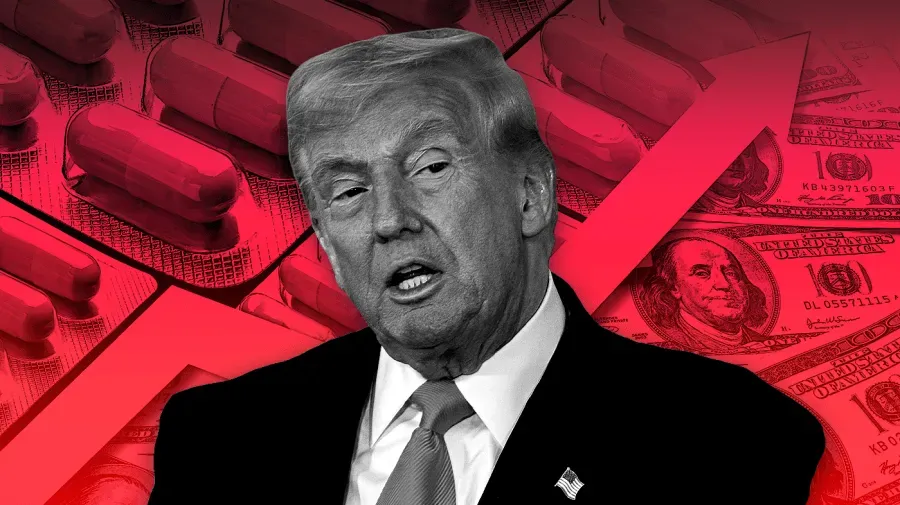
The Iran debate is shifting from battlefield pressure to political exits. Lawmakers are asking what an achievable off-ramp would look like. Yassamin Ansari, a Democratic representative from Arizona, argued on March 29, 2026, that the administration must identify a viable diplomatic exit from the escalating military conflict in Iran. Naval skirmishes in the Persian Gulf have evolved into a sustained engagement, drawing criticism from lawmakers who fear a prolonged regional entanglement. Ansari, an Iranian-American who has personal ties to the region, emphasized the urgent need for a strategic transition away from direct combat. Congressional leaders now face mounting public pressure as the economic consequences of the hostilities begin to manifest in American households. Market stability has vanished as the conflict disrupts some of the most sensitive shipping corridors on the planet. Crude oil futures spiked to their highest levels in three years during morning trading. Private-sector leaders are sounding alarms about the sustainability of current military operations. Military analysts suggest that without a clear endgame, the United States risks a permanent presence in a high-threat environment.
Drug Shortages Loom Over Global Health Markets
Pharmaceutical manufacturers warn that essential petrochemical precursors are becoming increasingly scarce. Modern medicine relies heavily on benzene, ethylene, and propylene derivatives sourced from the Persian Gulf. These chemicals serve as the building blocks for everything from common antibiotics to life-saving cardiovascular drugs. Disruptions in the supply of these raw materials have forced some manufacturing plants in the Midwest to reduce their output. Industry data shows that 40 percent of the chemicals used in generic drug production originate from or pass through the current zone of conflict. Shortages have already been reported in retail pharmacies across the United Kingdom and North America. Procurement officers at major hospital networks are currently rationing certain injectable medications to preserve stocks for emergency surgeries. Logistical hurdles continue to grow as insurance premiums for commercial vessels in the region skyrocket. Shipping firms are frequently rerouting tankers around the Cape of Good Hope to avoid potential missile strikes or naval mines. This detour adds approximately 14 days to the delivery cycle of critical medical supplies. Increased transport durations degrade temperature-sensitive biological components required for advanced oncology treatments. Cold-chain logistics providers report that these delays have rendered several high-value shipments unusable upon arrival. International health organizations fear a prolonged gap in the delivery of essential vaccines to developing nations dependent on these trade routes. Current projections indicate that drug prices could rise by as much as 25 percent if shipping lanes are not secured by next quarter. Global health remains at risk while the chemical industry waits for a cessation of hostilities. Petrochemical scarcity affects not only the final pill or liquid medication. Medical devices, including syringes, IV bags, and diagnostic equipment, also use plastics derived from Middle Eastern energy exports. A shortage of high-density polyethylene has already slowed the production of surgical kits in several European factories. Healthcare providers in Arizona report that the cost of basic disposables has doubled since the start of the year. Domestic manufacturers lack the immediate capacity to replace the volume of raw materials lost to the naval blockade. Strategic stockpiles are being depleted at a rate that exceeds the government's ability to replenish them through alternative sources. Manufacturers are desperately searching for suppliers in Southeast Asia and South America to fill the void. These efforts have so far yielded only a fraction of the necessary materials. The growing internal dissent among House Republicans reflects broader legislative concerns regarding the military's ongoing operations.
Lawmakers Demand Immediate Military De-escalation
Ansari used her position on the House floor to challenge the current military trajectory. Her background as an Iranian-American provides a specific vantage point on the cultural and political complexities of the region. She contends that the current strategy lacks a definitive conclusion, leaving American forces in a state of perpetual readiness with no clear objective. Similar sentiments are echoed by a bipartisan group of legislators who worry about the fiscal burden of the operation.
Budget analysts estimate the daily cost of the naval presence in the Persian Gulf exceeds $11 billion per month when accounting for fuel, munitions, and personnel. Public sentiment has shifted as the financial costs of the war begin to compete with domestic infrastructure needs. Voters are increasingly skeptical of military interventions that do not have a defined timeline for withdrawal.
We're already in this war, so what can be done? And I've been thinking a lot about that. Ultimately, I do think we need an off-ramp, quickly, to the war.
Diplomatic channels between Washington and Tehran stay frozen as both sides refuse to yield on preliminary conditions. European mediators have attempted to enable back-channel communications, yet these efforts have produced few results. The Trump administration maintains that military pressure is the only way to ensure regional security and curb hostile actions. By contrast, critics argue that the lack of a diplomatic alternative only emboldens hardline elements within the Iranian government. Intelligence reports suggest that the conflict has unified disparate factions within Iran against a common external threat. This internal cohesion makes a negotiated settlement more difficult to achieve in the short term. Moderate voices in the region have been silenced by the deafening noise of artillery and drone strikes. Peace remains a distant prospect without a meaningful shift in White House policy.
Strait of Hormuz Bottleneck Strains Petrochemical Trade
Closing the Strait of Hormuz has effectively severed the primary artery for global petrochemical trade. Roughly one-fifth of the world's total oil consumption passes through this narrow waterway every day. Naval commanders from the Fifth Fleet describe the situation as a tactical stalemate where neither side can claim total control. Commercial traffic has slowed to a crawl, with hundreds of vessels waiting in the Arabian Sea for safe passage. Security experts point to the increasing use of sea-based drones as a primary threat to civilian shipping.
These autonomous systems can be launched with little warning, making them difficult to intercept before they reach their targets. Recent satellite imagery confirms an enormous buildup of naval assets on both sides of the strait. The presence of these warships has turned an essential trade route into a potential trigger for global economic collapse.
Energy analysts at Goldman Sachs have revised their outlook for the global economy, citing the persistent maritime instability. Rising energy costs act as a hidden tax on every sector of the economy, but the pharmaceutical industry is particularly vulnerable. High energy prices increase the cost of running large-scale chemical reactors used in drug synthesis. These facilities require immense amounts of electricity and heat, most of which comes from natural gas and petroleum. When these inputs become more expensive, the cost of the final product inevitably rises.
Pharmaceutical companies are hesitant to absorb these costs, passing them instead to insurers and patients. Inflationary pressures in the medical sector are now outpacing broader economic trends. Many elderly citizens on fixed incomes find themselves unable to afford maintenance medications for chronic conditions. This economic squeeze creates a domestic political crisis for the administration as the 2026 midterm elections approach. Logistical disruptions extend into the storage and distribution networks within the United States. Warehouse operators report that shipping containers are being held at ports for extended periods due to missing customs documentation from the war zone. The lack of predictability in shipping schedules makes it impossible for companies to maintain lean inventory models. Manufacturers are now forced to adopt a just-in-case approach, which requires serious capital investment in storage facilities. The shift in business strategy further increases the overhead for pharmaceutical companies.
Small-scale biotech firms are particularly at risk as they lack the cash reserves to weather a prolonged supply-chain disruption. Venture capital funding for new drug development has slowed as investors seek safer havens during the conflict. Innovation in the life sciences sector faces a period of stagnation. National security and economic health are now closely linked to the resolution of the Persian Gulf crisis.
Off-Ramp Test
Could the pursuit of a decisive military victory in the Middle East inadvertently dismantle the very healthcare infrastructure that sustains the American public? The current obsession with military dominance in the Persian Gulf ignores the reality of 21st-century economic interdependence. Washington treats the Strait of Hormuz as a tactical battlefield, yet for millions of patients, it is the primary pipeline for survival. By allowing the conflict to drag on without a coherent diplomatic exit, the administration is effectively gambling with the availability of life-saving medicine.
It is not merely a question of geopolitical influence; it is a question of domestic stability. If the drug cabinets of American hospitals go bare, the political fallout will be far more devastating than any regional tactical setback.
True strategic foresight requires the courage to pivot when the costs of engagement outweigh the projected benefits. The White House must recognize that a military win means little if the victory is achieved at the expense of the global supply chain. History suggests that naval blockades are blunt instruments that often inflict the most damage on the populations they are meant to protect. If an off-ramp is not secured within the next sixty days, the pharmaceutical industry will face a shortage crisis that could take a decade to resolve. The time for blind military pressure has passed. Pragmatism must replace posture. Diplomatic retreat is not weakness. It is survival.