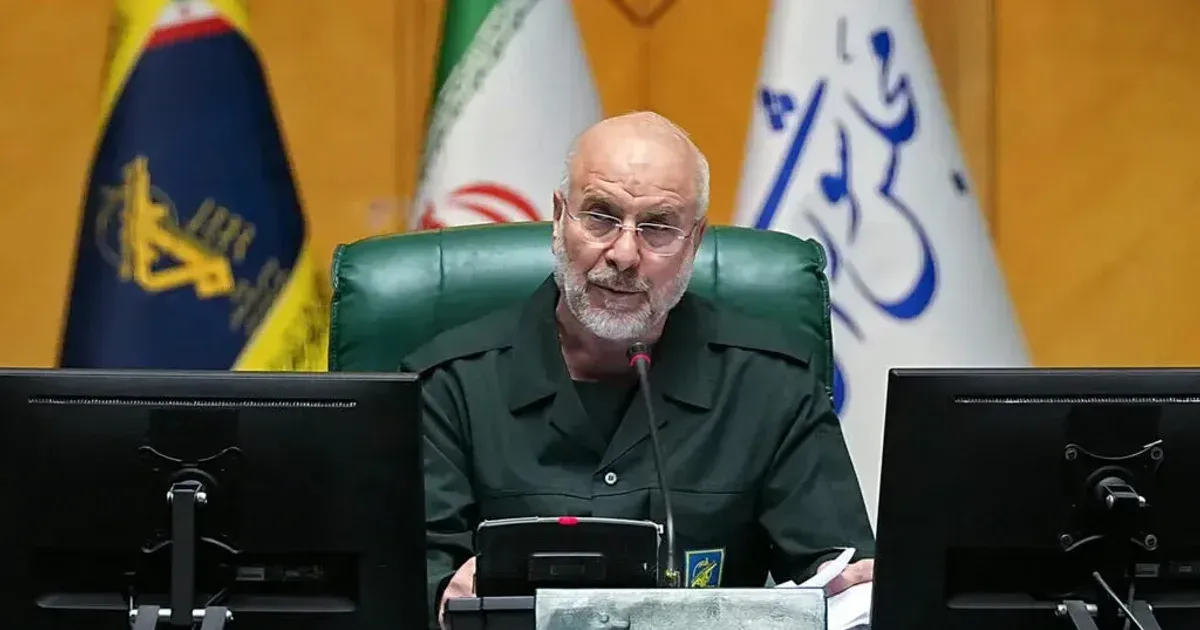
Donald Trump and Iranian officials both signaled progress in ceasefire discussions, though neither side described the talks as close to a final settlement.
Neither side wants to appear desperate for a pause, which makes every public sentence carefully measured. Mediators are trying to preserve enough ambiguity for both governments to keep talking. The more cautious picture emerged after another round of contacts on April 19, 2026, as military operations, oil-market anxiety and pressure around the Strait of Hormuz continued to shape the bargaining environment. Diplomatic movement is real, but it is moving through a narrow channel.
Donald Trump has presented the talks as evidence that pressure is working. Iranian officials have used different language, stressing conditions, guarantees and the need to avoid humiliation.
Progress Without Settlement
The public statements suggest both sides want space to claim momentum while avoiding a commitment that could be attacked at home. That is normal in ceasefire diplomacy, especially after weeks of military action.
The Strait of Hormuz remains the issue most likely to unsettle the talks. If shipping is restricted or threatened, energy markets will treat the ceasefire process as fragile even when negotiators sound optimistic.
For Washington, a deal would have to show that pressure produced restraint. For Tehran, it would have to show that Iran did not concede under threat alone.
Oil Markets Watch the Language
Crude traders are reading every statement for signs of whether a pause is near or whether the conflict could stretch into another round of strikes. Even partial progress can move prices if it reduces the chance of a wider maritime crisis.
Iranian officials are expected to keep emphasizing sovereignty and sanctions relief, while U.S. officials focus on security guarantees and verification.
The talks may therefore advance in small steps: humanitarian pauses, shipping assurances, limited de-escalation and indirect verification before any broader agreement.
Diplomacy Under Pressure
The danger is that both sides overstate progress for domestic reasons and then lose room to compromise. The opportunity is that neither side appears eager to let the conflict define the rest of the year.
Ceasefire talks usually advance through language before they advance through signatures. Words such as progress, guarantees, pause and verification allow each side to test reactions at home while negotiators continue working through the harder terms in private.
The immediate military reality still matters. If strikes continue or a maritime incident interrupts the process, optimistic statements can lose value quickly. That is why diplomats are likely trying to separate humanitarian or shipping arrangements from the larger political settlement.
Iran's leaders need to avoid the appearance of accepting terms under pressure. Trump needs to show that pressure produced concessions rather than simply opening a path back to the status quo. Those domestic needs can slow a deal even when both sides want the fighting to stop.
Oil markets are treating the talks as a risk indicator, not a peace guarantee. Prices can ease on signs of movement, but traders will remain cautious until shipping lanes, sanctions questions and military orders become clearer.
The best signal would be a verifiable pause that survives several days of provocation. Without that, progress will remain a useful word but not yet a durable change in the conflict.
The sequencing of any deal will be difficult. A ceasefire may require guarantees about strikes, shipping, detainees, sanctions enforcement or monitoring, but neither government will want to deliver its most valuable concession first. That is why interim steps can become more realistic than a single grand bargain. Regional governments also have a stake in the outcome. Gulf states want shipping stability, European capitals want energy calm, and U.S. allies want to know whether Washington's pressure campaign can end without leaving them exposed to retaliation. The talks are therefore bigger than the statements issued by Trump or Tehran. They are a test of whether both sides can convert battlefield pressure into a controlled diplomatic sequence before markets, proxies or domestic politics break the opening. The diplomatic opening also needs a public explanation that both societies can tolerate. Leaders can negotiate details privately, but citizens still need a story about why a pause is acceptable after weeks of sacrifice. Without that story, even a technically sound ceasefire can become politically unstable. That is where limited early steps could help. A monitored reduction in strikes or clearer shipping assurances would give negotiators something concrete to defend while larger disputes remain unresolved. For outside governments, the key is whether the sides can keep talking while still disagreeing publicly. That kind of diplomacy is untidy, but it may be the only realistic path while each leadership group tries to protect its own political standing. That narrow opening is still more valuable than another week of public threats. If negotiators can protect it through one calm interval, the language of progress may start to become something more concrete.