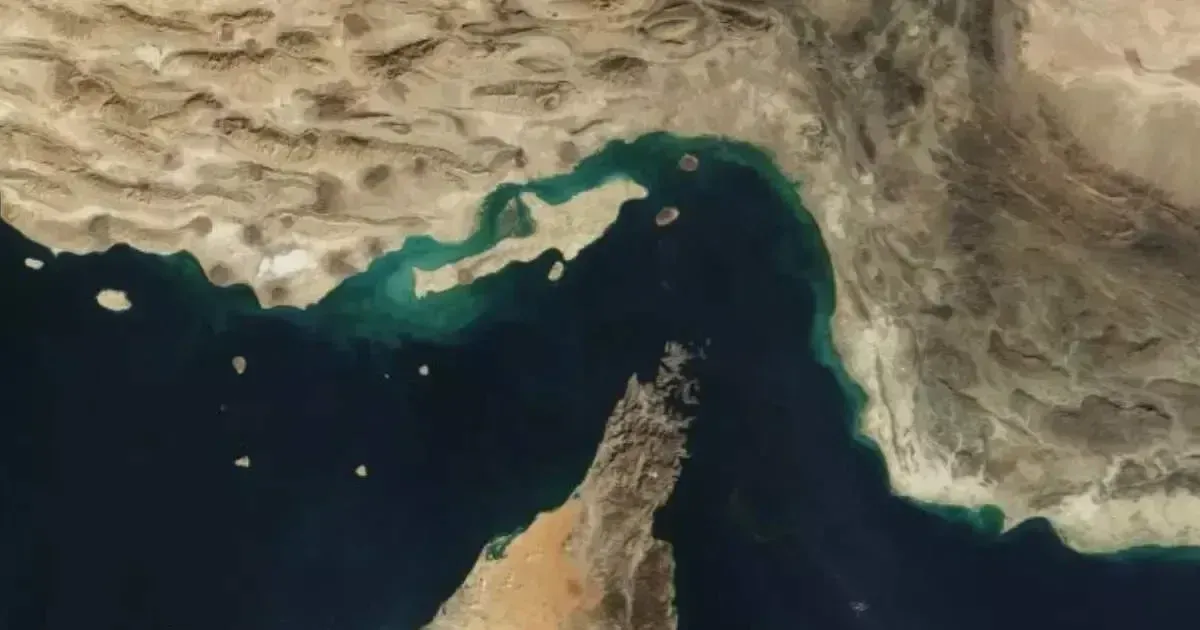
Mohammad Bagher Ghalibaf confirmed that Iranian maritime authorities have implemented a priority passage fee system for commercial vessels navigating the Strait of Hormuz. The toll system was confirmed on April 19, 2026. Under the new regulations, ships that pay specific transit fees receive accelerated clearance to move through the narrow waterway. Shipping companies refusing to participate in the monetization scheme face indefinite delays or total postponement of their passage through the world's most critical energy corridor. Iranian naval units began enforcing these measures after closing the waterway entirely on Saturday to establish the new checkpoints. Ports across the Persian Gulf reported an immediate backlog of 21% of global crude exports as tankers awaited instructions from Tehran.
Commercial shipping interests reacted with alarm to the sudden monetization of international waters. Priority status is now sold to the highest bidders while vessels carrying essential goods wait at the eastern entrance of the Gulf of Oman. Iranian officials claim the fees are necessary to maintain security and environmental protection within their territorial waters. Western maritime lawyers, however, argue that these actions violate the United Nations Convention on the Law of the Sea. Evidence from satellite imagery shows Iranian Revolutionary Guard Corps patrol boats intercepting bulk carriers that attempted to bypass the toll lanes on Sunday morning. Ship tracking data confirms at least twelve tankers are currently stationary near the Musandam Peninsula.
Iran Imposes Tolls on Commercial Maritime Traffic
Tehran is now actively monetizing its geographic advantage by treating the waterway as a private toll road. Vessels that do not pay the fees will have their passage postponed. These reports from regional maritime agencies suggest that the Iranian government seeks new revenue streams to offset the impact of enduring international sanctions. Oil prices in London and New York jumped 4.2% in early trading on April 19, 2026, as traders factored in the cost of these new transit premiums. Logistics firms must now decide between paying the Iranian levy or risking the high costs of rerouting ships around the Cape of Good Hope. Insurance providers have already signaled that premiums for Gulf transits will rise by double digits by the end of the month.
Iran maintains that the Strait of Hormuz falls under its sovereign jurisdiction for the purposes of managing traffic flow. Security analysts believe the toll system is a blunt instrument to pressure international stakeholders who rely on the stable flow of energy. Many of the affected ships are bound for East Asian markets including China, Japan, and South Korea. These nations provide the primary market for Persian Gulf oil and are now caught in the middle of a fiscal dispute between Tehran and the global shipping industry.
Maritime traffic controllers in Dubai noted that the queue for entry into the Persian Gulf grew by thirty ships in a single twenty-four-hour period. Iranian patrol units have not specified the exact fee structure for different classes of vessels.
Strait of Hormuz Closure Disrupts Global Crude Supply
Saturday's brief total closure of the strait was a demonstration of Tehran's ability to halt the global economy at will. Iranian naval forces deployed sea mines and fast-attack craft to clear the shipping lanes before reopening them under the new toll regime. United States naval assets in the region are monitoring the situation from a distance to avoid an immediate kinetic escalation. Pentagon officials stated on April 19, 2026, that they are coordinating with allies to ensure the freedom of navigation. Diplomatic cables indicate that several Gulf monarchies have privately expressed outrage over the disruption of their primary export route.
These states fear that a prolonged bottleneck will lead to a permanent loss of market share to North American and African producers.
Mohammad Bagher Ghalibaf said there was still "a big distance" between the two sides.
Negotiations regarding the maritime fees are now closely linked to broader security discussions in the region. Mohammad Bagher Ghalibaf clarified that the toll system is separate from military maneuvers, though the presence of the Iranian navy suggests otherwise. Crude oil tankers remain the primary target of the enforcement actions due to their high cargo value. Smaller container ships have reported fewer interruptions, though they are still subject to the new priority passage rules. Port authorities in Singapore and Rotterdam are bracing for a wider effect of delays that could last for several weeks.
Global supply chains, already strained by regional instability, face a new period of unpredictability. Iranian officials have not provided a timeline for how long the priority passage system will stay in effect.
Nuclear Negotiations Between Tehran and Washington Stagnate
Diplomatic efforts to resolve the maritime crisis are complicated by the lack of progress in nuclear talks. Ghalibaf acknowledged that while some progress had been made during recent sessions, the fundamental disagreements between the United States and Iran persist. Tehran demands the immediate removal of all banking and energy sanctions before it will consider scaling back its enrichment program. Washington insists that Iran must first return to full compliance with previous monitoring agreements. This stalemate has persisted for months and now threatens to spill over into the maritime domain.
Negotiators in Vienna reported that the latest round of talks ended without a firm date for a follow-up meeting. Both sides are digging in their heels as the domestic political pressure in their respective capitals intensifies.
Iranian leadership is using the Strait of Hormuz as leverage to force concessions at the bargaining table. By threatening the stability of global energy markets, Tehran hopes to weaken the resolve of Western sanctioning bodies. Mohammad Bagher Ghalibaf is the public face of this strategy, balancing diplomatic rhetoric with hardline maritime enforcement. Intelligence reports suggest that the Iranian government has enough domestic fuel reserves to withstand a short-term trade war. The same cannot be said for many of the importing nations that rely on daily deliveries through the strait.
Market analysts at Goldman Sachs warn that a permanent toll system could add a permanent risk premium to oil prices. Such a development would have inflationary consequences for the global economy throughout the remainder of 2026.
Regional powers are now weighing their options for a collective response to the Iranian moves. Some nations have proposed a multinational naval escort program to protect commercial shipping. Other states are exploring the expansion of pipelines that bypass the Strait of Hormuz entirely. Construction on these projects, however, will take years to complete and cannot address the immediate crisis. Iranian authorities continue to monitor every vessel that enters the Gulf of Oman. Shipping companies have been advised to keep their transponders active at all times to avoid being mistaken for hostile actors.
The tension in the region reached its highest point since the 2019 tanker attacks. Daily reports from the Persian Gulf show a maritime environment that is becoming increasingly restrictive for international trade.
Hormuz Access Test
Claiming maritime jurisdiction over the world's most critical energy artery is not a bureaucratic shift but an act of economic warfare. Iran is no longer content with mere threats of closure; it has moved to a model of sovereign piracy that seeks to extract a direct tax from the global economy. By framing this as a monetization scheme for priority passage, Tehran is testing the boundaries of the international order. If the West allows this precedent to stand, every strategic chokepoint from the Bab el-Mandeb to the Malacca Strait could become a tool for regional extortion. This move is a calculated gamble designed to bankroll a regime that is suffocating under sanctions while simultaneously holding the global energy market hostage.
Ghalibaf's admission of a big distance in nuclear talks confirms that the maritime tolls are a desperate attempt to create new leverage where none existed. The United States must decide if it will defend the principle of free seas or permit a hostile power to dictate the terms of global trade. Relying on slow-moving negotiations in Vienna is a strategy for failure when Iranian patrol boats are already seizing the initiative in the Gulf. Any nation that pays these tolls is effectively funding the very enrichment programs they claim to oppose. The time for subtle diplomatic messaging has passed. Only a direct, unified maritime response will convince Tehran that the Strait of Hormuz is a global common rather than a private Iranian lake. The West now faces a stark choice between paying and fighting.