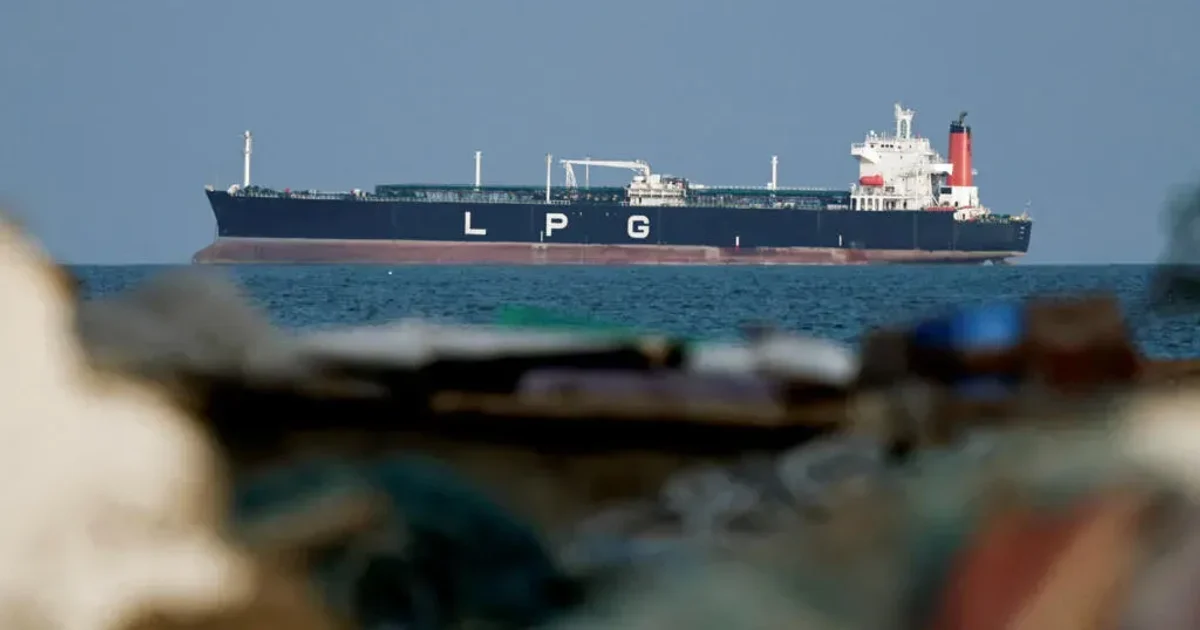
A Bahrain-backed UN Security Council vote on the Strait of Hormuz showed how difficult it is to turn shipping urgency into legal authority. The draft was aimed at reopening navigation and protecting commercial vessels, but the fight over its language exposed the central problem: every major actor wants open water, while not every actor trusts the same enforcement mechanism.
Russia and China vetoed the watered-down text after earlier versions had included stronger force language. The final diplomatic picture was not simple failure by paperwork. Eleven Council members supported the measure, two abstained, and two permanent members blocked it. The split shows both the size of the alarm and the weakness of the legal route available to answer it.
Bahrain carried the Gulf's immediate interest
Bahrain's role was not symbolic. Gulf states closest to the disruption have the most direct exposure to shipping delays, port risk, energy-export pressure and Iranian retaliation. They need the strait open because their economies and security relationships depend on predictable movement through and around it.
The draft's careful language reflected pressure from Gulf states. A mandate described as defensive can still be read by Iran as preparation for coercive action. A mandate stripped of force language can be dismissed by shipowners as too weak. The diplomatic problem sits between those two reactions.
Watered-down language did not buy unity
The resolution was reportedly revised in an effort to keep Russia and China from using their vetoes. Revising a draft often works when permanent members want to register discomfort without killing a text. Hormuz was more resistant. Moscow and Beijing still treated the proposal as too aligned with U.S. and Gulf pressure on Iran.
The episode shows the limit of compromise wording. Removing sharp verbs can make a draft less provocative, but it can also make the promised mission less clear. If the text cannot say who protects ships, what conduct triggers a response and how escalation will be contained, it may satisfy no one.
Markets need more than a vote count
Oil and shipping markets react faster than diplomats draft amendments. Tanker routes, insurance premiums, refinery planning and crew decisions can all move before the Security Council adopts or rejects a resolution. A failed vote therefore becomes part of the risk price.
The relevant market signal is practical: escort rules, mine-risk assessment, communications with Iranian forces, emergency channels, port access and de-escalation contacts. A UN text can support the operational system but cannot replace it. If officials promise certainty without the operational machinery to back it, traders and insurers will price the gap.
Vetoes push states toward ad hoc coalitions
When the Security Council cannot act, states rarely wait for perfect legality. They build smaller coalitions, expand naval escorts, issue private advisories or let insurers reshape behavior through premiums. Smaller coalitions and private advisories can move faster than the UN, but they carry their own weaknesses.
An ad hoc mission may protect some ships while leaving others exposed. It may also blur whether the goal is defensive escort, sanctions enforcement, blockade support or coercive pressure on Iran. The narrower the coalition, the easier it is for Tehran, Moscow or Beijing to describe the mission as a Western military front rather than a maritime-security effort.
Legitimacy and force cannot be separated
Hormuz is a reminder that law is not decoration in a maritime crisis. Ships need physical security, but force without broad legitimacy can turn a navigation problem into a war-management problem. Legitimacy without usable protection can become a statement no captain wants to rely on.
A serious mandate would have to be narrow, transparent and operationally credible: protect commercial navigation, define the response threshold, avoid open-ended escalation and leave space for diplomacy. Anything looser invites two failures at once. It gives shipping markets too little confidence and gives rival powers too much room to call the mission a cover for war.