Kharg Island, once the primary conduit for Iranian crude exports, remains engulfed in thick plumes of black smoke following a precision strike by American forces. Satellite imagery confirms that several key loading berths and storage tanks suffered direct hits during the late-night operation on March 11. White House officials described the mission as a necessary response to regional provocations. The Kharg strike has created an energy problem that cannot be solved by describing the attack as precise. But the immediate result in the global energy market was anything but controlled or surgical. Crude futures jumped immediately after the first reports of the fire reached trading desks in London and New York. Donald Trump now faces the delicate challenge of maintaining military pressure on Tehran without triggering a domestic economic crisis. The administration has attempted to isolate Iranian military assets while promising to protect global energy flows. Traders remain skeptical of these assurances as the reality of a disrupted supply chain takes hold across the Middle East. Markets hate uncertainty. The flames at the Kharg Island facility provide a visual confirmation that the stability of the Persian Gulf has evaporated. Energy analysts suggest the global supply could face a deficit of nearly two million barrels per day if repairs are delayed. This disruption coincides with seasonal maintenance at several European refineries. Prices are reacting to the physical loss of oil and the increased risk premium for any vessel entering the region.
The Kharg strike gave Trump an energy problem that cannot be solved by describing the attack as precise.
Kharg Strike Hits Energy Markets
Market instability reached extreme levels as Axios energy reporter Ben Geman noted the inherent danger in the current tactical approach. He suggested that the administration is playing a dangerous game by targeting infrastructure so closely tied to global pricing. For instance, the strike on Iran's primary export terminal has forced insurance premiums for tankers to quintuple in less than 48 hours. Shipping companies are now rerouting vessels around the Cape of Good Hope to avoid the unstable northern Gulf. This detour adds two weeks to transit times and millions in fuel costs for cargo owners. West Texas Intermediate and Brent crude benchmarks have both pushed past previous resistance levels. Analysts at several major banks have updated their year-end forecasts to reflect a prolonged conflict. Some models now predict oil prices could touch triple digits if the conflict spreads to other regional producers. The White House maintains that strategic reserves are sufficient to buffer the shock. The physical delivery of oil to refineries in Asia and Europe cannot be solved by simply releasing emergency stocks from salt caverns in Louisiana. Regional allies have expressed private concerns about the safety of their own loading facilities. While Saudi Arabia and the United Arab Emirates have excess capacity, they are hesitant to flood the market while Iranian missiles remain a threat to their own shores. This hesitation has left the market in a state of paralysis. Investors are pulling capital out of emerging markets and moving toward the relative safety of the dollar.
Hormuz Ships Become the Pressure Point
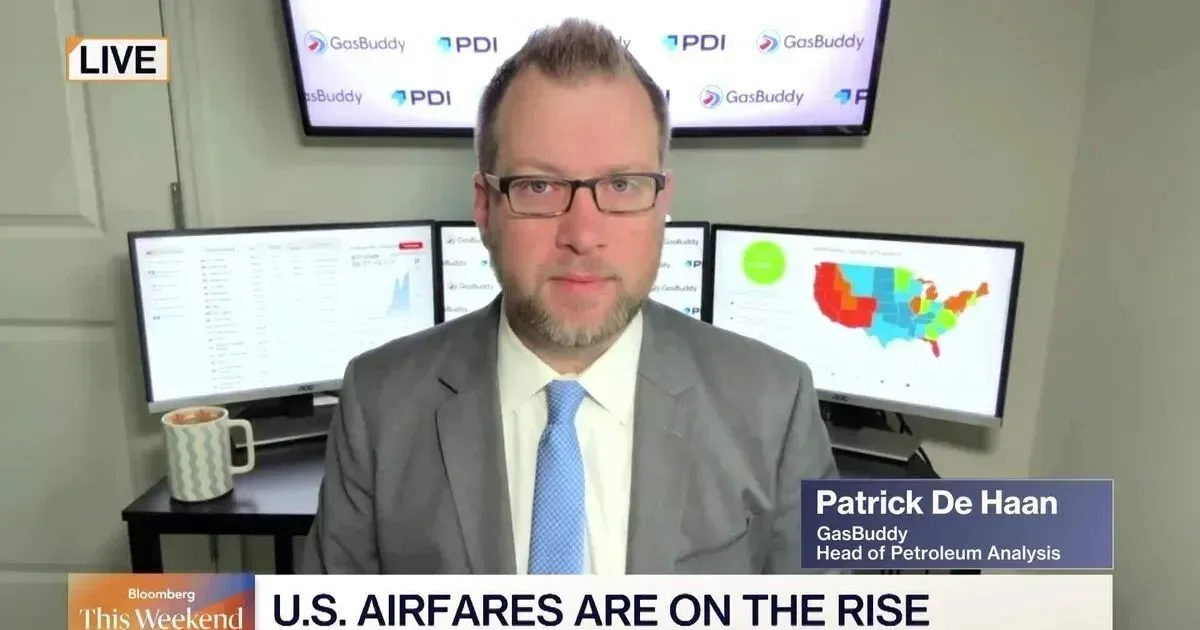
American commuters are feeling the friction of the conflict at the pump as spring travel begins to peak. Patrick De Haan, head of petroleum analysis at GasBuddy, observed that prices will continue to climb as demand increases. He noted that the seasonal transition to more expensive summer blend gasoline usually drives prices up, but the war has added a war surcharge. National averages for regular unleaded have already surged toward $5.50 per gallon in several major metropolitan areas. The price action is draining discretionary income from households at a rate not seen in years.
Aviation companies are also passing these costs directly to travelers. Major carriers in the US and UK have implemented fuel surcharges on international routes to offset the rising cost of kerosene. Airfare for trans-Atlantic flights has increased by an average of 22 percent since the strike on the export terminal. The demand for travel remains high, creating a supply-demand imbalance that favors airlines.
Inflationary pressure is beginning to ripple through the broader economy as transportation costs rise. Logistics firms that rely on diesel have increased their freight rates for consumer goods and agricultural products. Retailers are warning that these costs will eventually reach store shelves by early summer. The military campaign in the Middle East is now a direct factor in the domestic cost of living.
Fuel Prices Create Political Risk
Commercial shipping has become a primary victim of the escalating military friction. The situation is increasingly critical for the crews of more than 12 ships that are now trapped without consistent access to fresh food or water after being caught in the crossfire.
Merchant sailors are finding themselves on the front lines of a conflict they did not choose. Some vessels have been hit by stray drones, while others have been boarded by regional naval forces for inspections. In particular, the Strait of Hormuz has become a bottleneck of fear where any miscalculation could lead to the loss of a multi-million dollar vessel. Shipping lanes are littered with debris and the constant threat of underwater explosives. The IMO has called for an immediate humanitarian corridor to allow trapped sailors to depart the combat zone.
Insurance underwriters have designated the entire region as a prohibited zone for standard policies. It means that any captain choosing to enter the Gulf is effectively operating without traditional financial protection. Meanwhile, the cost of hiring private security details for tankers has reached record highs. These armed teams are now a standard requirement for any vessel carrying energy products through the chokepoint.
Pentagon planners are attempting to maintain the integrity of global shipping lanes while simultaneously degrading Iranian military capabilities. The dual mission is proving difficult as the adversary employs asymmetric tactics like small-boat swarms and suicide drones. For instance, the destruction of the export terminal was intended to starve the Iranian government of revenue. It has also deprived the global market of a large source of heavy crude. The impact is felt most acutely in refineries that are calibrated specifically for Iranian grades of oil.
Commanders on the ground must weigh the benefits of each strike against the potential for an energy price spike. Every destroyed radar site or missile battery comes with a geopolitical price tag. The administration has increased its naval presence in the region to provide escorts for essential cargo. But the large volume of traffic makes 100 percent protection an impossible goal. Some shipping lines have simply suspended all operations in the Middle East until a ceasefire is reached.
European leaders are now debating whether to join the U.S. naval coalition or pursue a separate diplomatic track. Their economies are more vulnerable to energy shocks than the American economy, leading to a rift in the Western alliance. The conflict is a test of whether military power can be applied without breaking the fragile machinery of global trade. The 12 ships now sit idle in the waterway.
Contained Strikes Rarely Stay Contained
History shows that the fantasy of a contained, surgical military strike is the most expensive delusion in modern statecraft. Washington continues to act as if it can blow up the primary export terminal of a major oil producer without the shockwaves hitting a gas station in Ohio. It is a posture of breathtaking arrogance. For years, the global economy has functioned on the assumption that the Strait of Hormuz is a neutral highway, but that era ended the moment the first Tomahawk hit Kharg Island. We are now in a period where the American consumer is subsidizing a military campaign through higher grocery bills and record-breaking fuel costs.
Why should a family in Birmingham or Baltimore pay for the strategic miscalculations of a Pentagon that failed to secure a secondary supply route? The administration talks about protecting global shipping while twelve merchant vessels sit like targets in the Gulf, their crews running out of water. It is not leadership. It is a chaotic reaction to a predictable crisis. If the White House cannot secure the energy market, it should stop pretending that these military interventions come without a domestic price tag. The bill is arriving, and it is denominated in barrels of blood and dollars of debt.