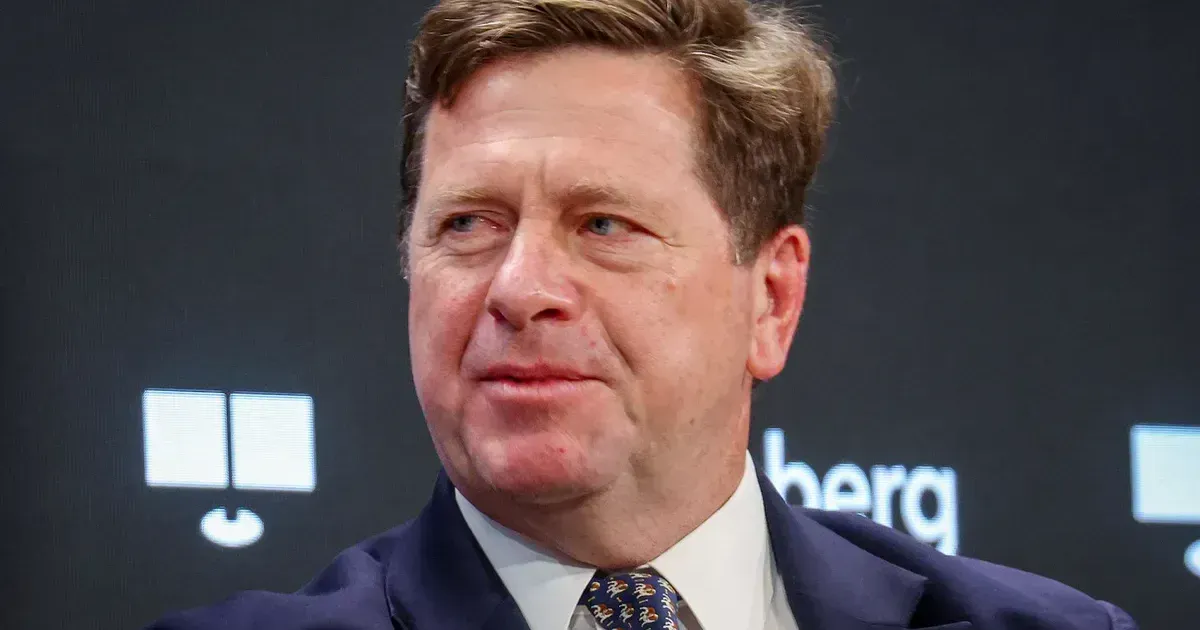
Donald Trump selected Jay Clayton to serve as the permanent Director of National Intelligence, turning to a former securities regulator and current federal prosecutor for a role that has faced months of turbulence. Clayton currently leads the United States Attorney's Office for the Southern District of New York. The nomination was announced on June 11, 2026.
Choosing Clayton means a departure from the administration's earlier reliance on political allies for sensitive security positions. Previous efforts to install partisan figures led to friction with both intelligence agencies and legislative bodies. Critics of the administration had voiced concerns regarding the qualifications of previous candidates. Intelligence community veterans often argue that the director needs deep institutional or legal experience to manage the 17 agencies under the office's scope.
Clayton possesses a background rooted in financial regulation and federal prosecution. By nominating a sitting U.S. Attorney, the president is looking to a candidate with a record of navigating complex legal frameworks. Prosecutors in the Southern District of New York handle many of the country's most sensitive financial and national security cases. He has been at the helm of this office during a period of active federal oversight.
Thursday's announcement is a move toward stability in a department that has operated under temporary leadership.
Institutional Experience and Regulatory Background
Many observers view Clayton as a stabilizing force because of his previous role as the chairman of the Securities and Exchange Commission. Federal records show he led the SEC from 2017 to 2020, focusing on market stability and enforcement actions. Public reaction to his SEC tenure generally noted his preference for rule-based order. White House officials believe this experience will translate to the oversight of the Office of the Director of National Intelligence.
Failure to secure a permanent director in recent months has impacted legislative priorities. Whether Clayton can secure a smooth confirmation process depends on the appetite of the Senate for a candidate with his specific background. Officials within the administration have struggled to maintain a consistent policy direction without a confirmed leader at the top. While Clayton lacks a traditional career in intelligence, his legal acumen provides a different type of credential.
Legislative efforts to renew a key intelligence tool stalled after recent leadership disputes. National security experts stated that the absence of a permanent director contributed to the breakdown in negotiations over these capabilities. This nomination is intended to restart those discussions with a candidate who has institutional credibility. If confirmed, Clayton would inherit a portfolio that includes global counterintelligence and domestic security coordination.
Intelligence Policy Stalled by Recent Backlash
Trump's earlier effort to elevate a more openly political ally for an acting role sparked backlash that hampered several policy goals. The controversy surrounding Bill Pulte and other potential picks created a climate of distrust around the search. Financial and security sectors reacted with caution during the period of acting leadership. Although the acting director had political support, the institutional pushback was enough to derail specific legislative renewals.
Choosing a prosecutor suggests the administration is prioritizing legal defensibility over political optics. It is a transition away from the aggressive rhetoric that characterized previous search efforts. Senators on the intelligence committee have signaled they will scrutinize his lack of direct field experience in espionage. A candidate with his background will likely face questions regarding the intersection of financial crimes and foreign intelligence.
Clayton has a history of regulatory oversight; his tenure at the SEC involved managing thousands of employees and large budgets. He previously worked in private practice at a major law firm before entering public service. SEC records show he prioritized protecting retail investors and simplifying capital formation. Internal agency morale often improves when a permanent, experienced head is installed.
Previous candidates encountered resistance from both sides of the political aisle. Legal analysts suggested that Clayton's current role as U.S. Attorney for the Southern District of New York gives him a stronger institutional argument than the previous acting-role contenders. Senate confirmation hearings will likely begin in the coming weeks. Because the Director of National Intelligence oversees such a vast array of agencies, the vetting process is expected to be thorough.
What Confirmation Would Test
Stability appears to be the primary goal of the Clayton nomination. By selecting a figure from the regulatory and prosecutorial worlds, the White House is signaling that it wants to end the cycle of acting appointments that has complicated long-term planning. The stalled intelligence-tool debate shows how leadership uncertainty can carry real policy costs.
Confirmation will require Clayton to bridge the gap between financial oversight and global intelligence management. Senators are likely to ask whether legal and administrative experience can substitute for years in the intelligence field. If he is confirmed, the DNI role may move toward a calmer management posture after months of political friction.
The test is practical rather than symbolic: whether Clayton can earn enough trust from lawmakers and agency leaders to restart stalled surveillance and coordination debates without deepening the credibility problem he would inherit.