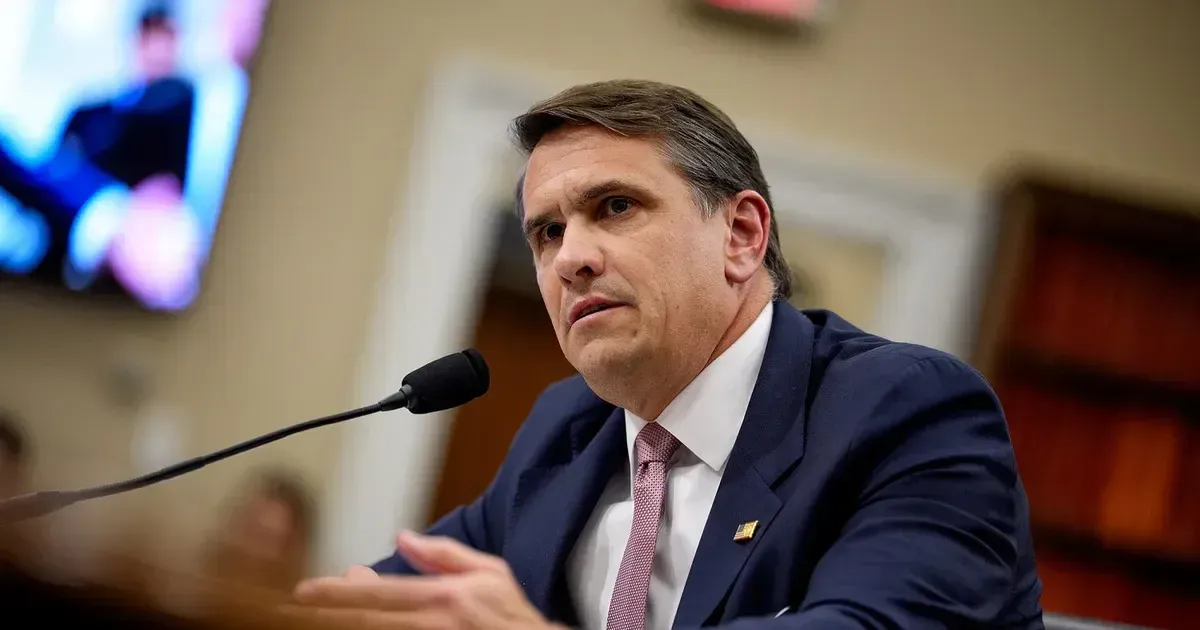
President Donald Trump moved to solidify his leadership at the Justice Department by nominating Todd Blanche to serve as the nation’s permanent Attorney General. The formal announcement, delivered on June 4, 2026, follows a two-month period in which Blanche led the department in an acting capacity. This decision aims to install a permanent successor to the post following a period of high-level personnel changes within the administration.
Confirmation would place a former personal attorney at the head of federal law enforcement.
Blanche assumed the acting role in early April 2026 once Trump dismissed former Attorney General Pam Bondi. Before that transition, Blanche was the deputy attorney general under Bondi, providing him with a direct line of sight into the department’s ongoing investigations and administrative operations. His elevation to the acting role occurred immediately after Bondi left her post, ensuring no vacancy in the top position during a period of active policy shifts. Records indicate that Blanche has been a central figure in coordinating legal strategies that align with White House priorities since joining the federal government.
Institutional Shift at the Justice Department
Selection of a permanent nominee allows the administration to pursue its long-term legal agenda with greater institutional stability. Acting officials often face limitations in their ability to implement blanket structural changes or long-range initiatives. By formalizing the role for Blanche, the president indicates a desire for continuity in the current direction of the Justice Department. Sources familiar with the internal deliberations noted that Blanche has already been aggressively pursuing the administration’s goals while operating in his acting capacity. This transition from acting head to permanent nominee marks a step in the administration’s effort to stabilize the leadership structure at Main Justice.
News accounts of the transition have described Blanche as an assertive acting leader who moved quickly to align Justice Department priorities with the White House agenda.
Senate Republicans have expressed initial support for the selection, citing his experience as a federal prosecutor and his deep understanding of the department’s internal mechanics. Many GOP lawmakers view Blanche as a reliable ally who can effectively manage the large federal law enforcement apparatus. By contrast, Senate Democrats are expected to raise questions regarding his previous tenure as Trump’s personal defense attorney. Critics argue that his past professional relationship with the president could complicate his role as an independent arbiter of federal law. These competing views will likely dominate the upcoming confirmation hearings before the Senate Judiciary Committee.
Senate Scrutiny and Professional History
Blanche previously built a reputation as a high-profile litigator in New York, where he handled complex criminal cases and represented high-profile clients in federal court. His background as a former Assistant U.S. Attorney provides him with the technical expertise required to manage the department’s thousands of prosecutors and investigators. During his career in the private sector, he managed various legal defense strategies that often intersected with federal oversight and white-collar crime investigations. The professional history will likely be a focal point for senators tasked with evaluating his fitness for the permanent cabinet position.
Federal law requires a formal confirmation process including public testimony and a full floor vote in the Senate. Procedural rules dictate that the Judiciary Committee must first review the nominee’s background and conduct a series of hearings to vet their qualifications. Once the committee approves the nomination, it moves to the full Senate where a simple majority is needed for confirmation. Legislative leaders have not yet released a specific timeline for these hearings, but observers expect the process to begin within the coming weeks. The department continues to operate under Blanche’s acting leadership as the legislative branch prepares for the formal review.
Justice Department officials have already begun preparing briefing materials and records to assist in the confirmation effort. These documents typically cover a nominee’s entire professional history, including past legal filings, financial disclosures, and public statements. Senate staffers will likely examine his actions during his time as acting attorney general to determine how he has handled sensitive investigations and departmental policy. The outcome of this vetting process will determine whether Blanche becomes the first permanent attorney general confirmed during the current administration’s latest term.
Administrative shifts within the Justice Department often involve a delicate balance between policy implementation and institutional independence. Blanche will be tasked with overseeing many federal agencies, including the FBI, the Drug Enforcement Administration, and the Bureau of Alcohol, Tobacco, Firearms and Explosives. His ability to manage these disparate organizations will be a key metric used by both supporters and opponents during the confirmation battle. The White House maintains that his proven record of leadership during the last two months makes him the ideal candidate for the permanent role.