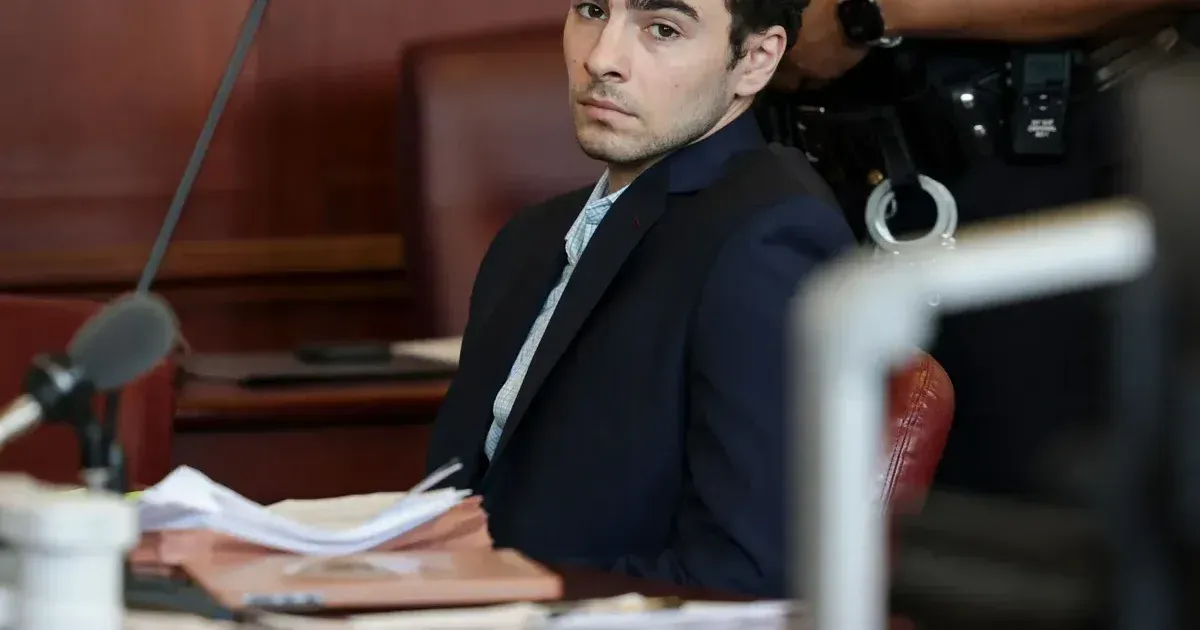
Manhattan Supreme Court Justice Gregory Carro barred reporters from a scheduled proceeding in the murder case against Luigi Mangione. The hearing was held in chambers after the defense requested that the virtual conference be sealed. On June 3, 2026, the judge moved the proceeding behind closed doors without providing a detailed public explanation.
Mangione, 28, joined the session through a secure video link from his holding facility rather than appearing in person. Court officers confirmed the presence of both prosecution and defense counsel during the private discussion. Journalists representing several news organizations were present in the hallway and attempted to argue for access before the doors were locked.
Press Access and Sealed Proceedings
Silence met every request for clarification from the bench.
Media representatives asked for a formal hearing on the closure, citing constitutional protections that generally require criminal proceedings to remain open to the public. New York judicial standards dictate that a judge must find a strong interest to close a courtroom, such as the protection of a defendant's right to a fair trial or the safety of a witness. Justice Carro bypassed these public arguments by convening with the legal teams in a private huddle.
Courtroom observers noted that the secrecy surrounding this particular hearing is unusual for the Manhattan Supreme Court. High-profile murder cases typically involve public filings and open arguments unless sensitive grand jury material or trade secrets are involved. Defense attorneys have previously expressed concern about the volume of media coverage impacting the jury pool, but they have not released a statement regarding the specific content of Wednesday's secret session.
Transparency remains a disputed point in the state's judicial system. Public interest continues to grow around the case of Luigi Mangione.
Prosecutors have remained quiet about the nature of the evidence discussed behind the closed doors. Speculation among legal analysts suggests the hearing may have involved sensitive digital evidence or mental health records that the defense seeks to suppress before the trial begins. While the legal teams emerged from the session after roughly an hour, they refused to comment on whether any rulings were issued by Justice Carro.
First Amendment Questions
Constitutional experts often point to the landmark Richmond Newspapers v. Virginia ruling to emphasize that the press possesses a qualified First Amendment right to attend criminal trials. Judges in New York are encouraged to use the least restrictive means possible when protecting sensitive information. Total exclusion of the media is considered an extreme measure that frequently triggers immediate appeals to higher courts.
Manhattan remains a focal point for national legal scrutiny as this case progresses toward a trial date. Public interest in Mangione has grown since his arrest, fueled by the gravity of the charges and the professional profile of the victim. This hearing marks the first time since the arraignment that the court has entirely shut out the press corps.
Legal challenges to the closure may be filed by media conglomerates as early as tomorrow morning. Journalists standing outside the courtroom reported that no transcript of the secret session was immediately made available for review. Attorneys for Mangione stayed focused on their client's privacy as they exited the building without engaging the gathered reporters.
The Sealed Hearing Could Trigger a Press Appeal
A judge must justify total secrecy in a case that has already captured global attention. The Manhattan court system now faces a potential procedural crisis that could delay the start of the Mangione trial. If an appellate court finds that Justice Carro erred in closing the hearing without a public finding of necessity, the entire session might be declared a violation of constitutional access rights. Such a ruling would likely force the court to release a transcript or, in extreme scenarios, redo the arguments in an open session.
Predicting the outcome of media appeals is difficult, but the lack of a stated reason on the record makes the judge's position vulnerable. Secrecy in the early stages of a murder trial can create grounds for a defense appeal later if the public exclusion is perceived as a lack of due process. The bench must now weigh the immediate need for privacy against the long-term stability of a potential conviction. Transparency is not just a preference; it is a procedural safeguard. A verdict reached in the shadows is far easier to challenge than one reached in the light of an open courtroom.