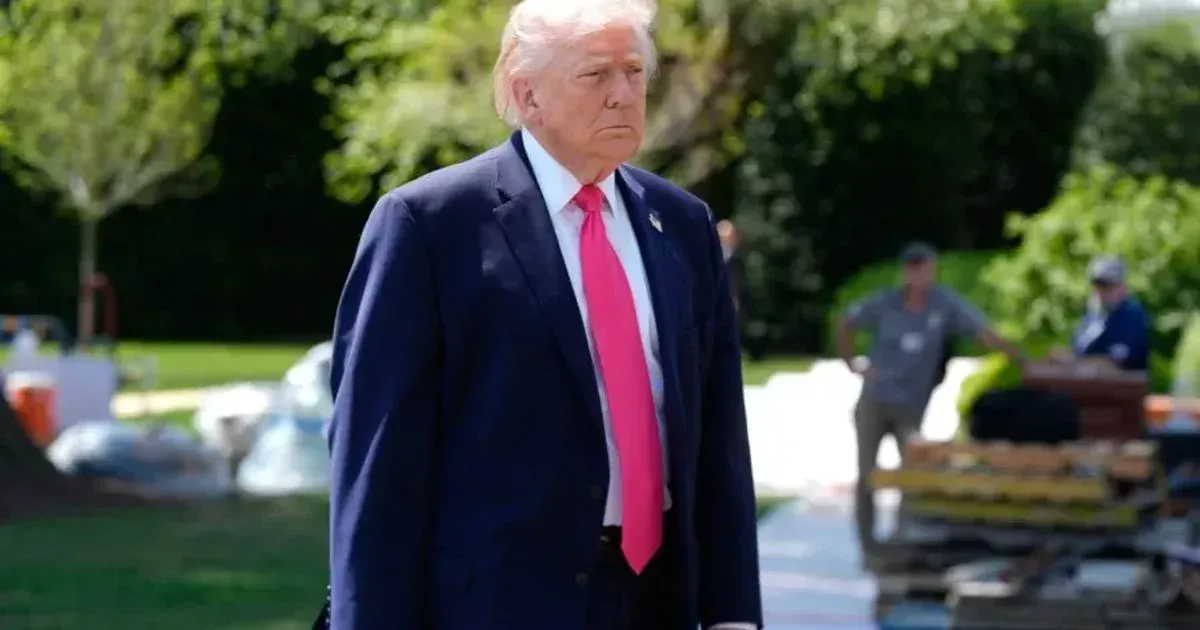
Donald Trump announced on April 23, 2026, that he has ordered the United States Navy to destroy any vessel caught deploying mines in the Strait of Hormuz. This directive authorizes commanders to shoot and kill crews operating small boats if they are observed placing explosives in the critical maritime corridor. Presidential communications regarding the engagement rules appeared on social media and were later confirmed by administration officials. Commanders now possess explicit permission to use lethal force against unconventional threats in Persian Gulf waters.
Maritime security in the region has deteriorated as the administration intensifies efforts to clear existing ordnance from shipping lanes. Vessels tasked with mine-clearing operations frequently encounter swarms of small, agile craft that harass military and commercial shipping. The new rules of engagement aim to deter these asymmetrical tactics by removing the ambiguity surrounding defensive fire. Rules governing the use of force previously required a demonstrated hostile intent or a direct attack before sailors could open fire on non-military vessels.
Mine Clearing Escalation in the Strait of Hormuz
Pentagon officials describe the current environment in the Strait of Hormuz as a high-risk zone for global energy supplies. Approximately 20 percent of the world's liquid petroleum passes through this narrow waterway every day. Any disruption to the flow of oil triggers immediate volatility in international markets. Naval planners are currently deploying advanced sonar systems and autonomous underwater vehicles to locate and neutralize mines that threaten tankers. These operations proceed under the constant shadow of potential conflict with regional actors who use mining as a primary tool of economic leverage.
President Trump stated on April 23, 2026: I have ordered the United States Navy to shoot and kill any boat, small boats though they may be, caught putting mines in the Strait of Hormuz.
Lethal force authorization extends to all platforms within the Fifth Fleet area of operations. Small boats, often used by irregular forces, have been used to plant limpet mines on the hulls of commercial tankers in recent years. Identifying these threats remains a major challenge for radar operators because of the low profiles and fiberglass construction of the suspect vessels. Reconnaissance flights have increased in frequency to provide overwatch for the mine-clearing groups. Crews on the ground now operate with the understanding that they no longer need to wait for a detonation to justify an armed response.
Naval engagement protocols typically involve a series of escalatory steps starting with radio warnings and ending with disabling fire. Trump's latest order appears to compress this timeline. Rapid decision-making becomes essential when dealing with contact mines that can sink a vessel in seconds. Commanders in the field are balancing the need for speed with the risk of misidentifying civilian fishing vessels. Operational directives issued to the fleet emphasize the necessity of clear visual confirmation before engaging targets with deck guns or helicopter-mounted weaponry.
Senate Republicans Secure Funding for Homeland Security
Legislative progress in Washington moved forward on April 23, 2026, as Senate Republicans adopted a budget resolution to restore operations at the Department of Homeland Security. The agency has been shuttered since mid-February because of a prolonged deadlock over immigration policy and border enforcement funding. This resolution provides a procedural mechanism for Congress to vote on a reconciliation package next month. Republican leadership secured the necessary votes in an early morning session that lasted until the pre-dawn hours. Senate aides indicate the package prioritizes hardware and personnel for the southern border.
Fiscal constraints have plagued the department for over two months. TSA agents, Coast Guard personnel, and Border Patrol officers have worked without pay or under reduced staffing levels since the shutdown began. The funding gap left several critical infrastructure projects in a state of suspension. Republicans, including Senator Lisa Murkowski and her colleagues, have pushed for a permanent solution that links agency funding to specific deportation and enforcement metrics. This legislative move seeks to stabilize the domestic security apparatus while the executive branch focuses on foreign military escalations.
Immigration enforcement is the central foundation of the new budget framework. Conservative lawmakers have demanded increased allocations for detention centers and surveillance technology along the Rio Grande. Critics of the plan argue that the reconciliation process bypasses necessary debate on broader humanitarian concerns. The Senate resolution, however, focuses strictly on the mechanics of reopening the agency to prevent a total collapse of border processing systems. Funding for the Coast Guard is particularly urgent given their role in supporting naval operations in overseas territories and protecting domestic ports.
Primary Contests and House Resignations Destabilize Congress
Political tension is mounting across the country as primary battles intensify in California and Michigan. Voter turnout in early polling suggests a deeply divided electorate focused on the twin issues of economic stability and foreign intervention. Candidates in both parties are adjusting their messages to address the sudden shift in Iran policy and the ongoing domestic budget crisis. Michigan voters, in particular, are showing sensitivity to energy prices which are directly impacted by the naval standoff in the Persian Gulf. California remains a battleground for different factions of the Democratic Party as they seek a unified stance against the Trump administration.
Instability within the House of Representatives has complicated the legislative landscape. Multiple resignations have occurred within the last month, leaving several key committees without experienced leadership. Departures are largely attributed to the bruising nature of the current budget fights and the intense pressure of the upcoming election cycle. Replacement elections will not take place in time to influence the final votes on the Department of Homeland Security funding package. The vacuum in the House allows the Senate to take a primary role in shaping the national security agenda for the remainder of the fiscal year.
Party leaders are struggling to maintain discipline among the rank and file. The sudden shift in Iran policy caught many lawmakers by surprise, leading to a frantic series of closed-door briefings on Capitol Hill. While some members applaud the show of strength in the Strait of Hormuz, others express concern about the legal basis for preemptive lethal force. The convergence of a foreign military crisis and a domestic funding battle creates a volatile environment for incumbents. Political analysts suggest that the outcome of the Michigan primary will serve as an indicator for the administration's aggressive maritime strategy.
Market reaction to the naval orders remains cautious. Crude oil futures rose by 3 percent immediately following the announcement of the shoot-to-kill order. Shipping insurance companies are reviewing their coverage for vessels transiting the Persian Gulf, with some expecting premiums to double by next week. Oil traders are monitoring the situation for any signs of direct kinetic conflict between the United States and regional maritime forces. The stability of the global energy market now depends on the discipline of individual naval commanders and the restraint of boat crews in the strait.
Shoot-to-Kill Order Raises the Risk of Naval Escalation
National security decisions rarely occur in a vacuum devoid of domestic political pressure. The timing of President Trump's shoot-to-kill order in the Strait of Hormuz is suspiciously aligned with a failing domestic agenda and a looming primary season in critical states like Michigan. By shifting the public's focus toward a high-stakes naval confrontation, the administration effectively buries the lead on a two-month Department of Homeland Security shutdown that has left the nation's borders and airports vulnerable. It is a tactical choice, redirecting a tactical redirection of the national conversation away from administrative incompetence and toward the theater of military bravado.
Authorizing the summary execution of small boat crews based on observation alone is a dangerous departure from international maritime law. It places young naval officers in the impossible position of acting as judge, jury, and executioner in a fraction of a second. The risk of a catastrophic miscalculation is high, particularly in a waterway crowded with legitimate commercial fishing and local trade. One mistake involving a civilian vessel will provide the adversary with a major propaganda victory and potentially drag the United States into a regional war that the public is not prepared to fight.
Congressional Republicans are equally complicit in this theater. By linking DHS funding to aggressive enforcement metrics during a manufactured crisis, they are holding the nation's safety hostage to partisan ideology. The Senate's midnight resolution is a patch, not a solution, and it does nothing to address the structural instabilities caused by the wave of House resignations. The evidence points to a government that prefers the clarity of a target in a gunsight to the difficult work of legislative compromise. The cost of this preference will be paid in both blood and treasure. Brutal necessity or distraction? The latter seems more likely.