Senator Susan Collins joined a group of concerned Republicans on April 23, 2026, to question the legal boundaries supporting the White House’s ongoing military engagement with Iran. Donald Trump faces a looming 60-day deadline established by the 1973 War Powers Act, a milestone that historically requires congressional approval for continued hostilities. Lisa Murkowski and Thom Tillis expressed similar doubts regarding the unchecked nature of the conflict as military operations intensify. Senate leadership remains fractured over whether to formally authorize the use of force or allow the current trajectory to continue.
Congress Challenges Presidential Authority in Iran Strike
Constitutional questions now dominate the halls of the Capitol as the conflict enters its eighth week. Republican senators remain split on how to manage the statutory window set by the War Powers Act. Murkowski argues that Congress must vote to continue military action beyond the 60-day mark. Tillis and Collins have echoed these concerns, suggesting that executive authority has limits even during active air campaigns. Legislative inaction could potentially trigger a constitutional crisis if the administration maintains the offensive without a formal vote.
Donald Trump reportedly requested that Field Marshals and military leadership ignore the looming deadline to maintain pressure on Tehran. Recent briefings suggest that the administration believes the current blockade and air strikes fall under existing counter-terrorism authorities. Some lawmakers argue that the scale of the current missile campaign exceeds any previous interpretation of those authorities. Senate Republicans have so far blocked five Democratic attempts to end the war, yet internal dissent within the GOP is growing.
Patriot Missile Stockpiles Dwindle After Intensive Air Campaign
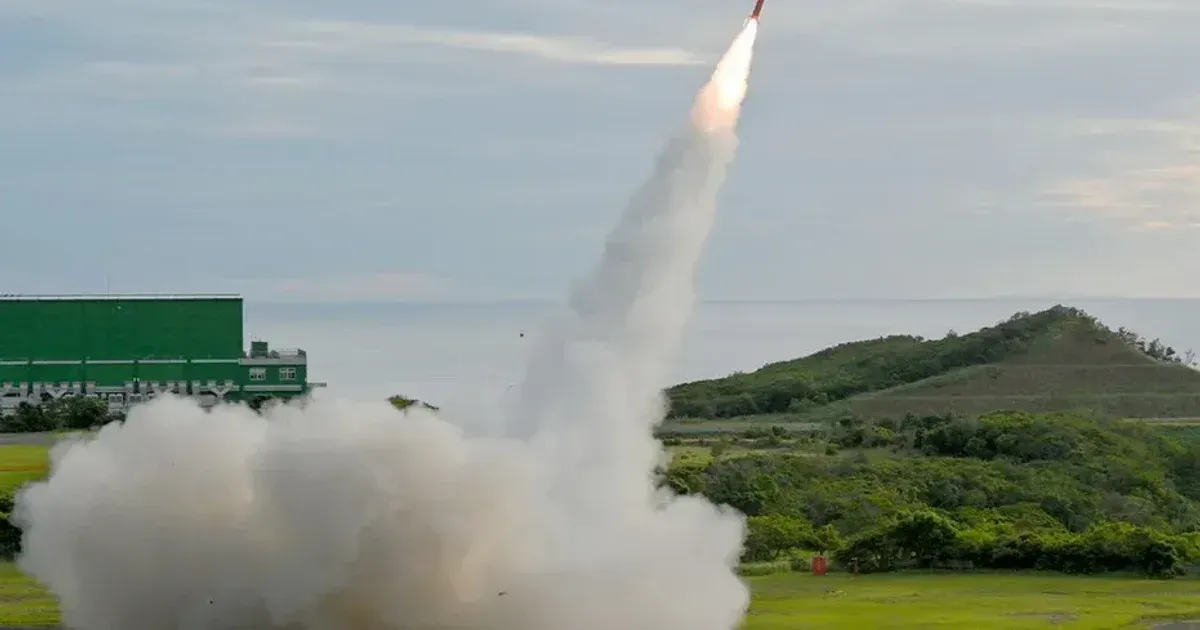
Precise inventory data suggests American forces have consumed nearly half of the domestic Patriot missile interceptor stockpile in just over five weeks of combat. Data derived from Pentagon budget documents and reported battlefield usage indicates that between 1,060 and 1,430 Patriot missiles were fired during the 39-day air campaign. Expenditure rates for high-end munitions are exceeding replacement capabilities by a factor of four. Defense analysts warn that the current burn rate is unsustainable for a prolonged engagement against a state actor.
Eight hundred fifty Tomahawk cruise missiles have struck Iranian targets since the beginning of the offensive. Parallel to these strikes, U.S. forces deployed more than 1,000 Joint Air-to-Surface Standoff Missiles to degrade Iranian air defenses. Intelligence reports from the Center for Strategic and International Studies (CSIS) confirm that these drawdowns represent a substantial portion of the prewar inventory. While current operations remain fully funded, the availability of physical hardware has become a primary concern for the Joint Chiefs of Staff.
Future conflicts in the Western Pacific would require the same long-range strike and missile defense systems now being depleted in the Middle East. Depleting these stocks to counter Iranian regional aggression leaves the United States vulnerable to peer adversaries like China. Stockpiles of precision-guided munitions were considered insufficient even before the Iran conflict began. CSIS analysts estimate that rebuilding these inventories to pre-2026 levels will require a multi-year industrial surge.
Senator Graham Forecasts Global Blockade Expansion
Senator Lindsey Graham reported on April 23, 2026, that he expects the current naval blockade against Iranian ports to expand sharply. Graham held a high-level conference call with Donald Trump and Secretary of War Pete Hegseth to discuss the strategic way forward. Blockade efforts currently focus on Iranian oil export terminals to starve the regime of hard currency. American naval assets are enforcing these restrictions across the Persian Gulf and the Gulf of Oman.
I had a very good call this morning with @POTUS and @SecWar Pete Hegseth about the way forward regarding the Iran conflict. I think the President’s decision to leave the blockade in place is very smart. It is having a strong effect on the ability of Iran to continue to be the largest state sponsor of terrorism. I not only expect this blockade to stay in place until Iran shows a commitment to change their ways, I expect the blockade will be growing and that it could become global soon.
Iranian leaders appear fractured following the extension of the ceasefire and the continuation of the blockade. Central Command confirmed on Wednesday that American forces are operating and enforcing maritime restrictions across the Middle East and beyond. Petroleum exports from Iranian terminals have fallen by 90 percent since the start of the naval operation. Financial pressure is mounting on Tehran as the administration demands a total cessation of support for regional proxy groups.
High Costs and Depleted Stocks Threaten Pacific Readiness
Financial costs for the interceptors used to defend against Iranian ballistic missiles have reached historic levels. Terminal High Altitude Area Defense interceptors cost approximately $15.5 million per unit, with nearly 290 units expended so far. The Navy used between 130 and 250 SM-3 interceptors, which are among the most expensive assets in the inventory at $28.7 million apiece. These expenditures represent a large transfer of taxpayer wealth into the defense industrial base to sustain a regional blockade.
Production lines for the SM-6 missile, which costs $5.3 million per unit, are currently operating at maximum capacity. Estimates show that between 190 and 370 of these multi-mission missiles have been fired from naval platforms. Defense titans have been rallied by the White House to surge weapons output, but supply-chain bottlenecks persist in the microelectronics sector. Inventory shortfalls in these specific categories directly impact the ability of the Navy to project power in the South China Sea.
Replenishing the Patriot interceptor stockpile alone could take more than three years at current manufacturing rates. Procurement data indicates that the United States was already struggling to meet annual production targets for high-end interceptors. Sustaining a global blockade requires a continuous rotation of these high-cost assets to protect carrier strike groups. Military analysts argue that the trade-off between Middle Eastern stability and Pacific deterrence is becoming increasingly lopsided.
Missile Depletion Raises the Stakes of War Powers
Projecting American power into the Persian Gulf while simultaneously depleting the precision-guided magazines required for the Pacific is a recipe for strategic bankruptcy. Donald Trump appears to believe that a blockade can achieve regime change where decades of sanctions failed, but he is ignoring the material reality of his own arsenal. Every SM-3 interceptor fired at an Iranian drone is an interceptor that will not be available when a much larger adversary begins to contest the First Island Chain. The administration is trading long-term global supremacy for a short-term regional victory that may never materialize.
Fiscal conservatives in the GOP are right to be wary. Spending $28.7 million to down a threat that costs a fraction of that amount is an asymmetric defeat, regardless of what the battlefield maps show. Washington has allowed itself to be drawn into a war of attrition that plays directly into the hands of competitors who are watching these stockpile numbers dwindle with predatory interest. If the blockade becomes truly global, the strain on the U.S. Navy will likely reach a breaking point within months.
Congressional Republicans must force a vote on the War Powers Act. Allowing the executive branch to drain the nation's strategic reserves without a formal mandate is an abdication of duty. The United States cannot afford to be the world's policeman if it no longer has the bullets to finish the job. Strategic overextension is no longer a theory; it is a mathematical certainty reflected in the empty racks of our missile silos.