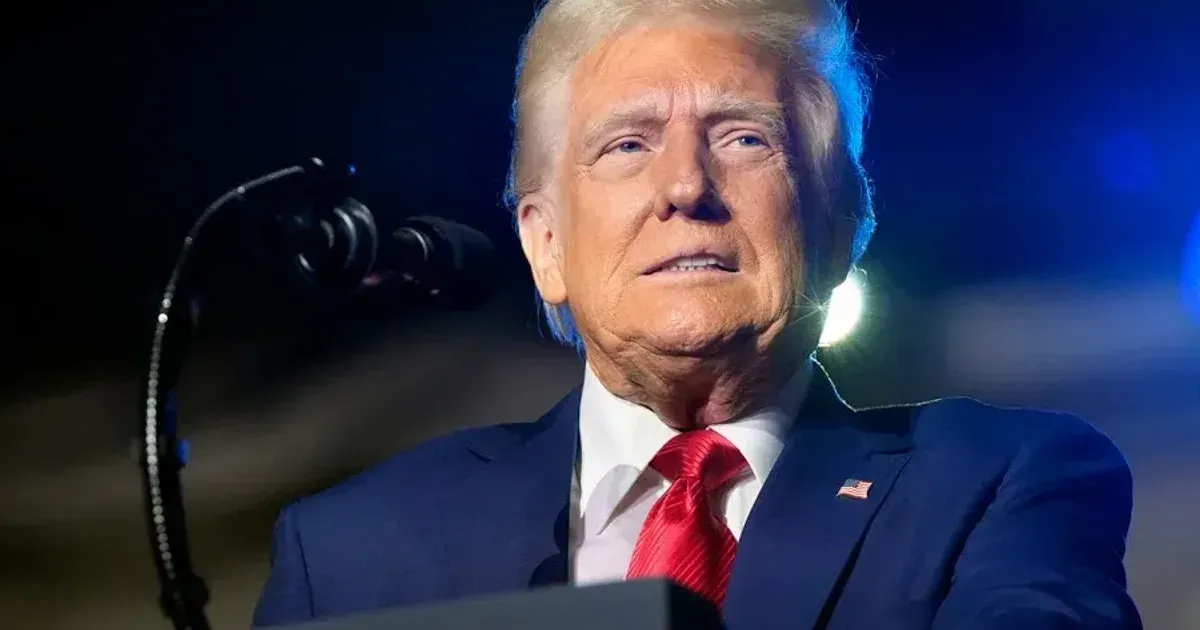
The Las Vegas event turned a tax pledge into a service-worker pitch. Donald Trump arrived in Las Vegas on April 16, 2026, to lead a roundtable discussion focused on the service industry. President Trump used the event to highlight the legislative impact of the One Big Beautiful Bill Act. This legislation, signed into law last summer, removes federal income tax requirements for gratuities across dozens of sectors. Workers throughout Nevada have watched the implementation of these tax cuts with scrutiny since the filing season began earlier this year.
Las Vegas is the geographical heart of the service economy where tipping remains a primary source of income for thousands of families. Legislative efforts to exempt tips from federal taxation became a centerpiece of the administration's economic agenda. IRS officials processed the first full cycle of returns under these new rules yesterday, coinciding with the national tax filing deadline. Local bartenders and casino staff gathered at the roundtable to share personal accounts of their updated tax liabilities. Tax records indicate that the average filer in the hospitality sector saw a striking decrease in federal obligations.
Las Vegas Hosts No Tax on Tips Roundtable
President Trump gathered with small business owners and service staff to discuss the practical application of the tax-free tip policy. Discussion participants included valets, dealers, and waitstaff who depend on discretionary income. Federal guidelines now allow these individuals to exclude 100% of their gratuity earnings from their adjusted gross income calculations. This change specifically targets low-to-middle-income earners who previously faced heavy tax burdens on cash and digital tips. IRS agents have issued new compliance manuals to help employers adjust their payroll systems to accommodate the shift.
Hospitality groups in Nevada report that the policy has assisted with staffing shortages that plagued the region for years. High-volume venues on the Las Vegas Strip now use the tax-free status as a recruiting tool for seasonal and permanent positions. RealClearPolitics recently noted that the legislative change has become a focal point for the administration's outreach to blue-collar voters. Economic data from the region suggests that disposable income levels among service workers increased by 12% in the first quarter. Casino floors and restaurant chains have adjusted their internal accounting to ensure tips are tracked separately from base hourly wages.
Labor Secretary Claims Meaningful Worker Savings
The Labor Secretary recently released a report detailing the financial windfalls experienced by American families this spring. According to the document, average tax refunds for workers in the service sector reached $3,400 during this cycle. These savings stem directly from the Working Families Tax Cuts which were bundled into the One Big Beautiful Bill Act. Officials at the Department of Labor credit these provisions for stabilizing household balance sheets. Statistics show that the highest concentration of beneficiaries resides in states with large tourism and service footprints. Recent tax refund data underscores the financial impact of the administration's new economic policies.
The Labor Secretary says President Trump's Working Families Tax Cuts are driving historic savings with average refunds topping $3,400 this tax season.
Refund amounts varied by region but consistently outpaced historical averages from previous administrations. While some analysts at the Congressional Budget Office initially projected lower participation rates, the actual filing data shows widespread adoption of the tip exemption. Treasury officials noted that the removal of tax on overtime also contributed to the higher refund totals seen this year. Workers who routinely exceed 40 hours per week are now shielded from higher tax brackets on their extra earnings. Payroll data confirms that overtime hours in the manufacturing and service sectors rose by 8% following the law's enactment.
One Big Beautiful Bill Act Implementation Details
Legislative language within the One Big Beautiful Bill Act covers more than 60 specific job categories. Bartenders, hair stylists, and delivery drivers represent the primary groups using the new tax status. IRS data indicates that the $3,400 average refund is the result of both the tip exemption and the expanded child tax credit. Administration officials emphasize that the law aims to simplify the tax code for individuals who do not have complex investment portfolios. Compliance costs for small businesses have reportedly dropped as the need for detailed tip reporting for federal tax purposes declined.
Critics previously expressed concern regarding the potential for revenue loss within the Social Security and Medicare trust funds. Treasury representatives clarified that the law maintains payroll tax requirements on tips while only eliminating the federal income tax portion. This distinction ensures that workers continue to contribute to their future retirement benefits without losing current take-home pay. Revenue specialists are currently monitoring the long-term impact on the federal deficit. Recent reports from the Government Accountability Office suggest that increased consumer spending from the tax cuts may offset some of the initial revenue losses.
Service Industry Reacts to Tax Law Changes
Workers in Las Vegas expressed relief during the roundtable as they described the transition away from heavy tax burdens. One bartender explained that the extra income allowed for the purchase of a new vehicle earlier than expected. Unions representing hotel and restaurant employees have generally supported the measure despite initial skepticism regarding its implementation. Negotiators for these unions now factor the tax-exempt status into collective bargaining sessions. Managers at major resorts claim that the law has simplified the process of calculating end-of-shift payouts.
Success of the policy in Nevada has prompted similar discussions in other tourism-heavy states like Florida and Hawaii. Governors in those regions have asked for federal guidance on how to align state income tax laws with the new federal tip exemptions. Legal experts suggest that the One Big Beautiful Bill Act has set a new precedent for how the federal government treats discretionary service income. Future tax seasons will likely provide more data on whether this policy encourages more workers to enter the service industry permanently. Labor market participation in the hospitality sector remains at a ten-year high.
Tip Tax Politics Reaches Service Workers
Populism often relies on visible, immediate benefits to secure political loyalty, and the no tax on tips policy is a textbook execution of this strategy. By targeting the service industry in a swing state like Nevada, the administration has bypassed traditional economic theory in favor of a direct cash infusion for a specific voting bloc. The political genius of this move lies in its simplicity. Voters understand the difference between a complex corporate tax credit and a $3,400 check appearing in their bank account after Tax Day. It is a tactical maneuver designed to decouple the working class from the Democratic Party's historical labor strongholds.
Skepticism remains regarding the fiscal sustainability of such a broad exemption. While the administration touts the One Big Beautiful Bill Act as a triumph for families, the long-term erosion of the federal tax base cannot be ignored. The IRS faces a future where defining what constitutes a tip versus a service fee will become a battleground for high-income professionals looking for loopholes. If a lawyer or a consultant can reclassify a portion of their fee as a gratuity, the system will collapse under the weight of its own ambiguity. For now, the optics of the Las Vegas roundtable provide a powerful shield against these technical concerns. Political survival beats fiscal purity.