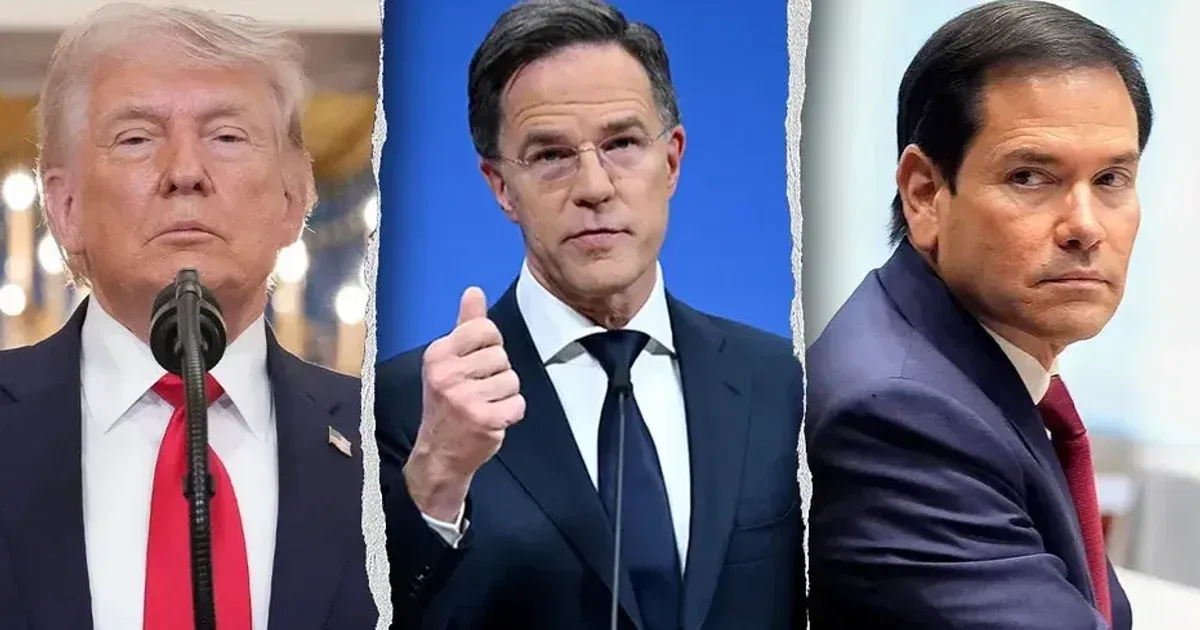
Donald Trump's Hormuz toll idea and new tariff threats show how the Iran ceasefire is spilling into trade and alliance policy. A maritime security proposal is now tied to questions about who pays, who cooperates and which partners Washington still trusts. The alliance dispute also gives the proposal a sharper political edge. The proposals surfaced on April 8, 2026, after the two-week pause with Tehran. Shipping companies, NATO governments and arms suppliers are all being pulled into a negotiation that began as a military crisis.
Tolls and Ceasefires in the Strait of Hormuz
Negotiations between the United States and Tehran have shifted from active kinetic engagement to a tentative economic partnership following the temporary cessation of hostilities. During a press briefing at the White House, Trump addressed inquiries regarding Iran's proposal to charge vessels a fee for passage through the waterway. Revenue generated from these tolls would theoretically be split between the two nations, though specific percentages and collection mechanisms remain under discussion. Critics in the shipping industry argue that such a venture violates the United Nations Convention on the Law of the Sea, which guarantees the right of transit passage through international straits.
Tehran maintains that the toll is a necessary security fee to ensure the safe passage of tankers during a period of regional instability. Ships currently carry roughly 20 percent of the world's total oil consumption through this narrow passage daily. Market analysts warn that any toll would effectively act as a tax on global energy, potentially driving up crude prices for European and Asian consumers. Donald Trump has portrayed the proposal as a pragmatic solution to a decades-old conflict. Business-minded approaches to diplomacy often characterize this administration's interactions with hostile states.
Economic Punishments for Global Arms Suppliers
President Trump expanded the scope of his economic pressure campaign by targeting third-party nations that enable Iranian military capabilities. Any country supplying weapons to the Islamic Republic now faces an immediate 50 percent tariff on all goods exported to the United States. Trump issued the warning via social media, stating that the penalty would be applied with zero transition period to ensure maximum compliance. This aggressive trade posture aims to isolate the Iranian military infrastructure permanently.
Beijing and Moscow, both traditional suppliers of hardware to Tehran, could see billions of dollars in trade volume evaporate if the White House enforces the new mandate. American trade officials are currently auditing customs data to identify potential violators. Smaller defense contractors in Eastern Europe and Central Asia are also under scrutiny. The tariff threat serves to force a binary choice between the American consumer market and the Iranian defense sector. Disputes over maritime security in the Strait of Hormuz have previously strained relations between Washington and its European allies.
Strategic Friction During Operation Epic Fury
Operations in Iran have exposed deep fractures within the North Atlantic Treaty Organization as several European allies actively hindered American military maneuvers. Spanish Prime Minister Pedro Sanchez denied the U.S. use of the Rota Naval Station and Morón Air Base for combat or refueling missions related to the Iran conflict. Spain also closed its national airspace to American bombers departing from the United Kingdom, forcing longer and more expensive flight paths. These restrictions hampered the effectiveness of the initial waves of Operation Epic Fury.
France adopted a similarly restrictive posture by blocking Israeli aircraft from using its airspace to transport munitions intended for the theater of operations. President Emmanuel Macron reportedly took the step to prevent further regional escalation. Such moves have infuriated the White House and prompted a radical reassessment of current alliance obligations. American military planners are now evaluating the long-term viability of maintaining large footprints in nations that restrict operational freedom during active conflicts.
Ceasefire conditions permit American and Iranian officials to meet in neutral locations to draft the operational framework for this maritime joint venture. Shipping companies, however, have expressed concerns regarding the transparency of the fund management. Insurance premiums for tankers in the Persian Gulf have already surged since the start of Operation Epic Fury. Financial stability depends on the durability of the current truce.
Global trade organizations have yet to comment on the legality of such a unilateral tariff under existing World Trade Organization rules. Washington appears indifferent to international litigation, focusing instead on immediate leverage. Domestic industries in the United States may see supply chain disruptions if major trading partners are hit with the 50 percent penalty. Impact assessments suggest that electronics and automotive components would be the hardest hit sectors.
Finland, a newer member of the alliance, has signaled a different path by suggesting that a more European NATO is taking shape. Finnish President Alexander Stubb told Trump during a phone call that European nations are beginning to understand the necessity of self-reliance. Tensions persisted throughout the conflict as European capitals complained they were not consulted before the launch of the air campaign. Frustration in Brussels has reached its highest point since the Cold War.
Secretary of State Marco Rubio met with NATO Secretary-General Mark Rutte on Wednesday to discuss the growing rift between Washington and its European partners. Rubio has been vocal about the need to reconsider the value of the alliance if member states refuse to support American strategic priorities. The meeting in the West Wing comes at a time when the White House views NATO as a one-way street where the United States provides security without receiving reciprocal cooperation.
Commercial Leverage Tests Alliance Trust
Commercial leverage can move governments quickly, but it can also weaken trust when allies feel they are being treated like counterparties rather than partners. That is the risk in combining Hormuz tolls, arms tariffs and NATO grievances. Each tool may create pressure, but together they make the ceasefire harder to separate from a broader fight over American power.