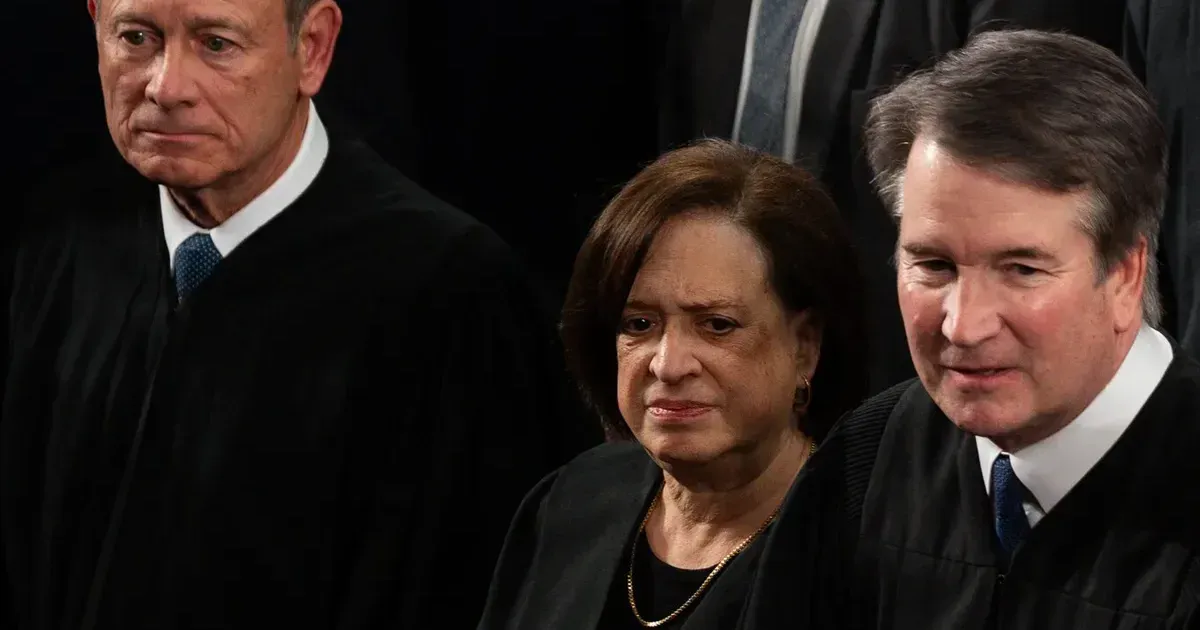
Donald Trump has combined public pressure with private praise in a tactical shift aimed at influencing the Supreme Court before major decisions land. The legal strategy gives Trump a way to turn pending rulings into political leverage. It also puts the Supreme Court back at the center of the administration’s short-term agenda. The shift was visible by May 24, 2026, as the justices prepared to finalize rulings that could dismantle or cement central portions of his policy agenda. Observers say the president is alternating between aggressive rhetoric and strategic hospitality to shape the political atmosphere around the court.
White House officials have occasionally invited members of the conservative majority to private gatherings, signaling a desire for closer ties. At the same time, Trump has used social media platforms to question the impartiality of justices who have ruled against his administration in the past. Such public broadsides often target the character or political leanings of the jurists involved. Federal records show the administration is awaiting clarity on executive immunity and administrative power in the coming weeks.
Judicial independence is under scrutiny as the court prepares to announce rulings on environmental regulations and border security funding. Supporters of the administration argue that the president is exercising his right to criticize a branch of government he views as overly political. Critics contend that the same conduct becomes more serious when it is paired with private outreach and timed around pending decisions.
Pressure on the court is not confined to rhetoric alone.
Legal scholars have noted that the timing of these statements aligns with the final drafting phase of several landmark opinions. Chief Justice John Roberts has previously defended the independence of the federal bench, but the current atmosphere of public scrutiny has created a difficult test for the institution. Justice Department filings indicate that several foundations of the administration's second-term goals rely on a broad interpretation of executive authority. If the court rules against those initiatives, the White House may face substantial procedural hurdles in the second half of the year.
Pressure Campaign Reaches the Court
Public pressure has become a frequent feature of the president's communication strategy when legal setbacks appear likely. Rallies often include segments where Trump mentions specific justices by name, either to praise their conservative credentials or to warn against rulings he frames as liberal. This dual track allows the administration to maintain support among its base while signaling that court decisions will carry immediate political consequences.
Private praise is the quieter counterpart to that public pressure. Social invitations and favorable references to the judicial philosophies of specific justices are meant to build a sense of ideological alignment. White House advisers believe that reinforcing shared conservative goals could encourage the court to adopt more permissive views on presidential power. The administration is especially focused on whether the 6-3 conservative majority remains receptive to its regulatory overhaul.
Administrative power rests on the outcome of several pending cases regarding the authority of federal agencies. If the court limits the executive branch's ability to interpret legislation, many signature policies could be vacated or slowed. Legal teams within the administration are already preparing contingency plans for adverse rulings. Those plans include narrower agency guidance, revised rulemaking and possible emergency declarations in areas where the White House believes Congress has left room for executive action.
Legal Community Survey Cites Rule of Law Risks
Attorneys and retired judges recently participated in a survey that highlighted growing anxiety about the stability of American legal institutions. Mark Barabak of the Los Angeles Times reported that respondents identified presidential overreach as the primary threat to the rule of law. Many legal experts expressed concern that the justice system could be weaponized to target political rivals or shield the executive branch from accountability. The poll included feedback from legal professionals across the political spectrum.
The survey found deep concern about presidential overreach, persecution of enemies and other unchecked abuses of power.
Respondents frequently cited the possibility that the executive branch could ignore court orders as a top concern. The fear is rooted in recent statements from administration officials suggesting that certain judicial rulings are illegitimate. Lawyers participating in the study noted that the predictability of the legal system depends on all branches of government respecting the finality of Supreme Court decisions. When that respect is questioned, the foundation of the constitutional order begins to erode.
Persecution of political enemies was another leading theme in the survey data. Legal professionals warned that an executive branch with unchecked power could use the Department of Justice to launch investigations into opponents. Such actions would compromise the neutrality of federal law enforcement and turn the legal system into a tool for political retaliation. The survey results suggest that upcoming court decisions will shape not only policy outcomes but also public confidence in legal restraint.
Future Rulings and Institutional Limits
Constitutional law experts are focused on how the court will handle the administration's claims of broad immunity. The issue is central to several ongoing legal battles involving presidential authority and the limits of official action. A ruling that grants sweeping immunity would expand the scope of presidential power and limit the ability of future administrations to be held accountable. By contrast, a narrow ruling would reinforce the principle that no individual is above the law.
Institutional stability depends on the court's ability to remain insulated from executive pressure. While the president has the right to express his views, the systematic nature of the current campaign is viewed by many lawyers as a threat to that insulation. Judges at lower levels of the federal bench have also reported an increase in hostile rhetoric directed at their courtrooms. The trend suggests that the tactics used against the Supreme Court are part of a broader effort to delegitimize legal authority that checks executive power.
Rule of law remains the central focus for those watching the interaction between the White House and the court. Decisions expected in late June will provide the first real evidence of how the justices have responded to the president's dual strategy. Whether the court asserts its independence or aligns with the executive branch will have lasting implications for the balance of power in Washington. Every announcement from the bench is now viewed through the lens of this struggle for influence.
Institutional Test Ahead
The intensifying friction between the executive branch and the judiciary suggests a looming crisis of constitutional authority. If the Supreme Court issues rulings that sharply cut presidential power, the administration's response will dictate the immediate health of the rule of law. A refusal to comply with judicial mandates would move the country into uncharted legal territory, potentially triggering a standoff between federal agencies and the courts. Such a scenario would leave the Department of Justice in the unsustainable position of choosing between executive orders and judicial precedents.
Recent survey data indicates that the legal profession is preparing for a prolonged period of instability. Attorneys are increasingly focused on the procedural mechanisms that protect judicial independence from political interference. The upcoming rulings will test whether the conservative majority prioritizes ideological alignment with the president or the long-term integrity of the institution. If the court appears to surrender that independence, calls for court reform and tighter ethics rules will become harder for lawmakers to ignore.