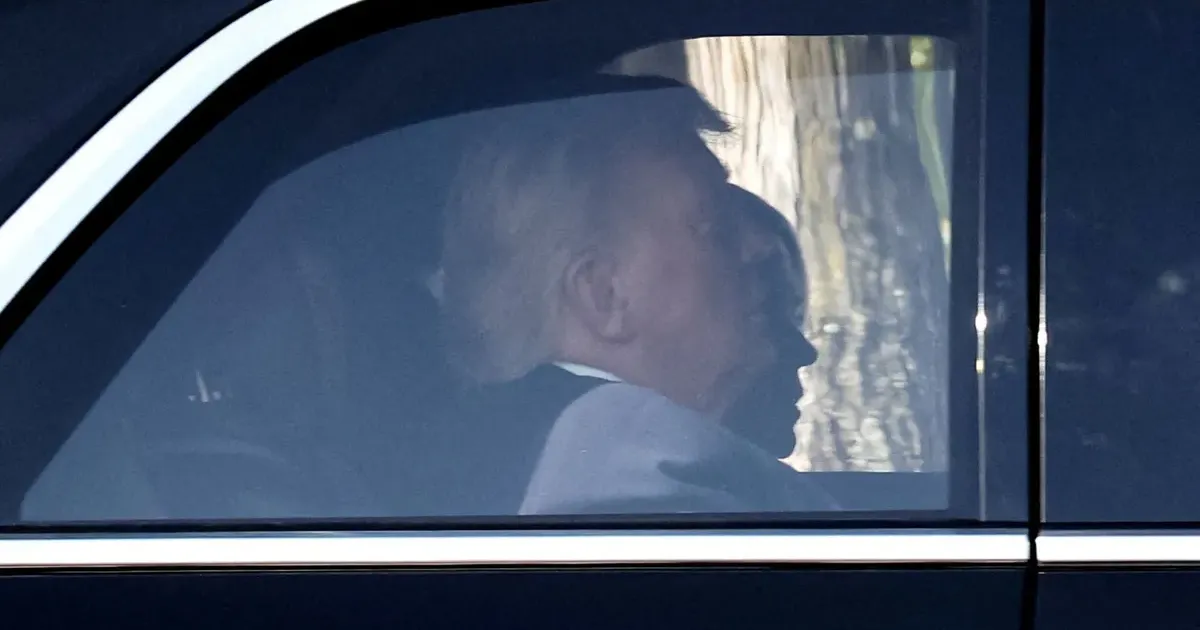
Donald Trump's decision to attend Supreme Court arguments over birthright citizenship turned an already historic case into a visible confrontation between presidential power and the 14th Amendment. The legal confrontation did not end in his favor. On June 30, 2026, the Court struck down his executive order restricting citizenship for children born in the United States to undocumented migrants, temporary visa holders and other non-permanent residents.
The ruling preserved the long-standing rule that birth on U.S. soil generally confers citizenship, subject to narrow exceptions. It also turned Trump's April courtroom appearance into the opening image of a constitutional defeat. A president can bring political pressure into the room. He cannot rewrite the Citizenship Clause by executive order.
The Fourteenth Amendment Was Central
The Citizenship Clause says that people born or naturalized in the United States and subject to its jurisdiction are citizens. The Trump administration argued that the final phrase excludes children whose parents lack permanent legal status or lawful domicile. Challengers argued that people born on U.S. soil are subject to U.S. law and therefore fall within the amendment's protection.
The constitutional dispute revived old fights over text, history and the 1898 Supreme Court decision in United States v. Wong Kim Ark, which recognized birthright citizenship for a child born in the U.S. to Chinese parents. The June ruling kept that constitutional structure intact.
Executive Power Was Also on Trial
The case was larger than immigration. It tested whether a president could narrow a constitutional guarantee through an executive order. Even for justices sympathetic to stricter immigration policy, that raised a separation-of-powers problem.
A president can direct agencies, set enforcement priorities and seek legislation. He cannot make constitutional meaning depend on a campaign promise. The Court's rejection of the order reinforced that boundary: the executive branch does not get to redefine citizenship on its own.
Trump's Attendance Raised the Stakes
Presidents almost never attend Supreme Court oral arguments. Trump's presence at the April hearing underscored how central the case was to his immigration agenda. It also made the institutional tension impossible to miss: the president who signed the order watched as the justices examined whether the order could survive the Constitution.
Trump's attendance mattered politically, but it did not decide the case. The Court still had to answer the legal question. When it did, the answer was a direct loss for the administration.
The Ruling Did Not End the Politics
Trump and his allies quickly turned the decision into another political fight. He attacked the ruling and signaled interest in seeking a rehearing, while some Republicans floated other ways to attack what they call birth tourism. Those moves may keep the issue alive for voters, but they face steep legal and political barriers.
Rehearings at the Supreme Court are rare. A constitutional amendment would be even harder. Ordinary legislation cannot simply override the Fourteenth Amendment. That leaves Trump with a political message but no easy legal route to the result he wanted.
Citizenship Cannot Be a Mood
Citizenship rules cannot swing with presidential anger over immigration. They define who belongs to the constitutional community. The United States can debate border policy, visas, asylum rules and enforcement. It cannot casually turn birth status into a discretionary executive category.
If the government wants to change birthright citizenship, it has to confront the Constitution directly. Anything less is not reform. It is an attempt to make belonging conditional on who occupies the White House, and the Supreme Court has now said that attempt failed.