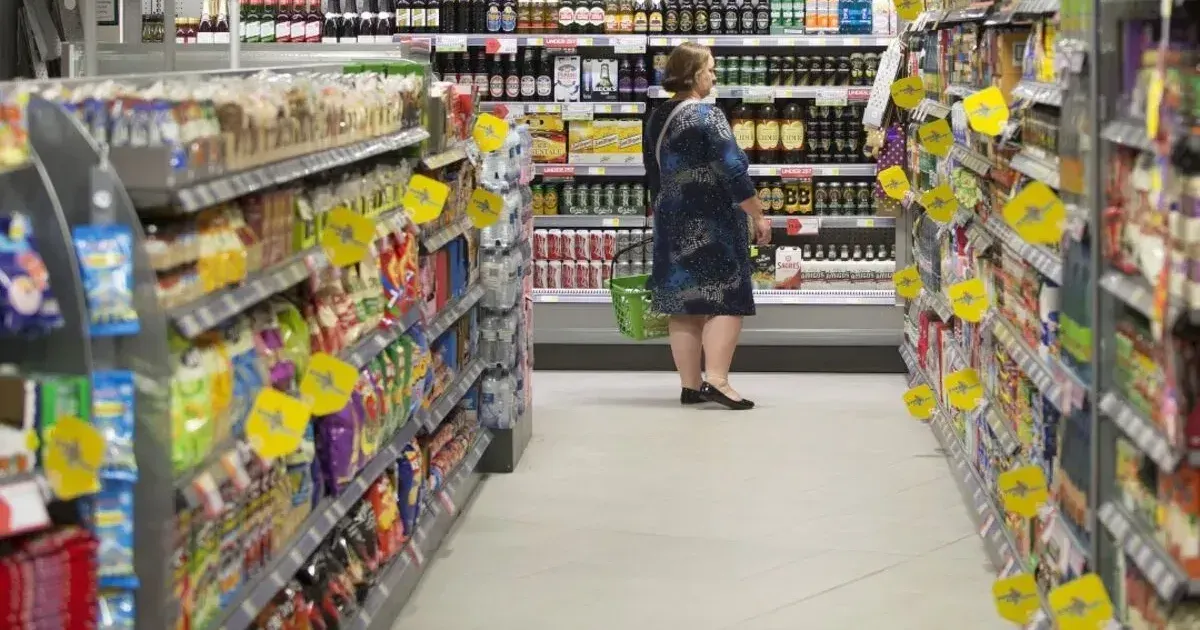
The Office for National Statistics revealed today that it has added alcohol-free beer and pet grooming to the basket of goods used to track UK inflation. The statistics body announced that it would merge several distinct wine categories into a single index. This change reflects a deeper cultural pivot away from traditional alcoholic beverages and toward a service-based household economy. According to the ONS, the selection of goods must represent at least 80 percent of total household spending to remain a valid indicator of price pressure. Pet grooming services entered the basket for the first time, reflecting a sharp surge in animal ownership that began during the pandemic lockdowns. Households now prioritize professional maintenance for their animals, treating these services as essential rather than discretionary. Expenditures on these services reached record highs in 2025, forcing the government to acknowledge their impact on the Consumer Prices Index. The 743 items now in the basket are reviewed annually to ensure they mirror modern life. While Bloomberg suggests the shift is purely health-driven, analysts at the Financial Times point to the rising cost of traditional alcohol taxes as a primary driver for the low-alcohol switch. The Bank of England uses these detailed price shifts to determine whether the economy requires a cooling of interest rates. But the most telling adjustment remains the inclusion of non-alcoholic beer. Brewers have expanded their portfolios to include zero-percent options that mimic the flavor profile of craft ales and lagers. The ONS noted that spending on these products has increased by 22 percent in the last twelve months alone. Cultural sobriety is now an official economic indicator. The ONS has also removed several items that no longer capture the public's imagination or wallet. Hand sanitizer, once a staple of the basket during the height of the global health crisis, has been stripped from the list. The removal of such items allows the index to remain lean and focused on current consumer behavior.
Inflation Basket Adds Sober Spending
Spending on alcohol-free beer is no longer a niche activity for a small segment of the population. The British Beer and Pub Association reports that nearly one in three pub visits now involves the consumption of a non-alcoholic beverage. This trend is particularly pronounced among younger demographics who view sobriety as a lifestyle choice rather than a temporary abstinence. By including these drinks, the ONS acknowledges that the cost of social participation is being driven by products that were virtually non-existent in the basket a decade ago. The data reveals a complex relationship between cost and choice. Alcohol-free variants often carry price tags similar to their alcoholic counterparts despite the lack of heavy excise duties. Manufacturers argue that the de-alcoholization process involves complex technology that adds to the production cost. Retailers have responded by dedicating more shelf space to these products, further cementing their status as household staples. For instance, the price of a pint of non-alcoholic lager in London has risen twice as fast as the price of standard milk. This disparity suggests that while the product is marketed as a healthier alternative, it is also becoming a meaningful driver of service-sector inflation. The ONS must now track these prices across thousands of retail outlets to get an accurate read on how they affect the average family.
Pet Care Joins Household Cost Tracking
Pets have transitioned from backyard companions to primary household budget lines. The inclusion of professional grooming highlights how deeply the pet economy has integrated into the British middle class. Owners are no longer content with home baths, opting instead for professional styling, nail clipping, and specialized treatments. The shift from a do-it-yourself model to a service-based model is a hallmark of the modern UK economy. The cost of these services has become a sticky component of the inflation figures. Service providers face rising labor costs and higher utility bills, which they pass directly to the consumer. Because pet grooming is viewed by many as a recurring necessity, these price increases have a disproportionate effect on monthly household outgoings. The ONS stated that the volume of spending in this sector reached a threshold that could no longer be ignored.
The basket adjustment is about accuracy in an unstable pricing environment. If the government ignores the $11 billion spent annually on pets, the resulting inflation data would understate the true cost of living. The inclusion of these services provides a more honest look at where British money is actually flowing each month.
ONS Updates the Consumer Snapshot
The ONS is simplifying how it tracks the wine market. Previously, the agency tracked red, white, and sparkling wines as separate entities with distinct weighting.
Meanwhile, the global wine industry is struggling with oversupply and shifting tastes. The merger of these categories allows the ONS to track the general movement of wine prices without being distracted by a temporary surplus in Prosecco or a shortage of Bordeaux. It is a pragmatic move designed to provide a smoother data set for the central bank's econometric models.
Some industry experts worry that this consolidation could hide particular price spikes. If a blight affects white wine production, the single index might mask the surge in white wine prices with the steady pricing of red wine. The ONS defended the move, stating that the correlation between the different wine types has become strong enough to justify a single category.
The adjustments have immediate implications for monetary policy. When the basket changes, the pressure of different sectors shifts, potentially altering the headline inflation rate by several basis points. If pet grooming and alcohol-free beer are seeing higher-than-average price increases, their inclusion could keep the inflation rate higher for longer. It would give the Bank of England less room to cut interest rates in the coming quarters.
The technical details of the ONS shopping basket are more than a curiosity for statisticians. They are the gears that turn the machinery of the entire British financial system. Investors watch these updates closely to anticipate how the cost of living will evolve over the next fiscal year.
The current trend suggests a move toward a more expensive, service-oriented lifestyle. As long as Britons continue to prioritize their pets and their health over traditional vices, the inflation basket will continue to tilt toward the high-cost service sector. The latest update confirms that the era of cheap, commodity-driven inflation is being replaced by a more complex service-driven model.
Small Basket Changes Reveal Bigger Habits
Does the inclusion of alcohol-free beer show a healthier nation or a citizenry so economically battered they can no longer afford to be drunk? The ONS is effectively codifying the retreat of the British consumer into a sanitized, risk-averse lifestyle where the only remaining indulgence is a manicured poodle. It is not progress, but an institutionalization of the nanny state's victory over the traditional pub culture that once defined the national character.
By weaving these lifestyle choices into the inflation basket, the government is making it harder to distinguish between a genuine rise in the cost of essentials and the voluntary inflation of the health-conscious elite. We are watching the permanent shift from a manufacturing-based economy to one that survives on the vanity of pet owners and the marketing of expensive water flavored like hops. If the Bank of England is basing the future of the pound on the price of a dog haircut, the fundamental stability of our currency is in deeper trouble than any politician cares to admit.
The basket is a monument to a nation that has traded its spirit for a non-alcoholic substitute and a well-groomed Cavalier King Charles Spaniel.