Pentagon officials confirmed targeted strikes on Iranian military infrastructure in response to the recent destruction of a surveillance drone. The radar strikes moved quickly from military action to regional air-defense coordination. Kuwait had to respond in real time. Washington now has to explain the operational threshold. Commanders authorized the aerial bombardment of several radar installations and drone control centers throughout Southern Iran. Reports from the region on June 1, 2026, indicate that the conflict has expanded to include air defense engagements over Kuwaiti territory.
Tehran immediately characterized the action as an unprovoked escalation of hostilities.
Islamic Revolutionary Guard Corps units claimed responsibility for a subsequent missile volley directed at an air base used by American forces. Retaliatory measures followed a weekend incident where Iranian forces successfully downed an MQ-1 Predator drone. Official statements from the Iranian military described their response as a necessary defense of national sovereignty. Smoke plumes were visible from several coastal facilities where American munitions struck sensitive guidance equipment.
Washington officials labeled the maneuvers as self-defense strikes. These operations specifically targeted the electronic nerve centers used to coordinate unmanned aerial vehicle swarms. Central Command confirmed that the weekend strikes achieved their objectives by degrading Iranian surveillance capabilities in the Gulf. This move marks an escalation of a campaign that began in the late winter months.
Expanding Conflict Reaches Kuwaiti Airspace
Kuwaiti air defense batteries opened fire on Monday to intercept a wave of incoming drones and missiles. Military authorities in the small Gulf nation did not immediately specify the origin of the threats, though the timing coincides with the exchange between the United States and Iran. Residents reported hearing multiple explosions overhead as interceptor missiles engaged slow-moving targets. Kuwait remains a critical logistical hub for Western forces, making any violation of its airspace a major regional provocation.
Iranian commanders meanwhile insisted that their strikes were surgical and focused solely on military assets. The Islamic Revolutionary Guard Corps asserted that the base targeted in their retaliatory strike was the same facility used to launch the drone that was later shot down. They maintained that the facility suffered extensive damage to its runway and hangars. Defense analysts noted that the use of precision-guided missiles by Tehran suggests a higher level of technical readiness than seen in previous skirmishes.
The U.S. military said it carried out self-defense strikes on Iranian radar and drone control sites over the weekend in response to direct threats against its personnel and assets. Recent strikes against Iranian military infrastructure follow earlier tactical engagements involving command centers in Bandar Abbas.
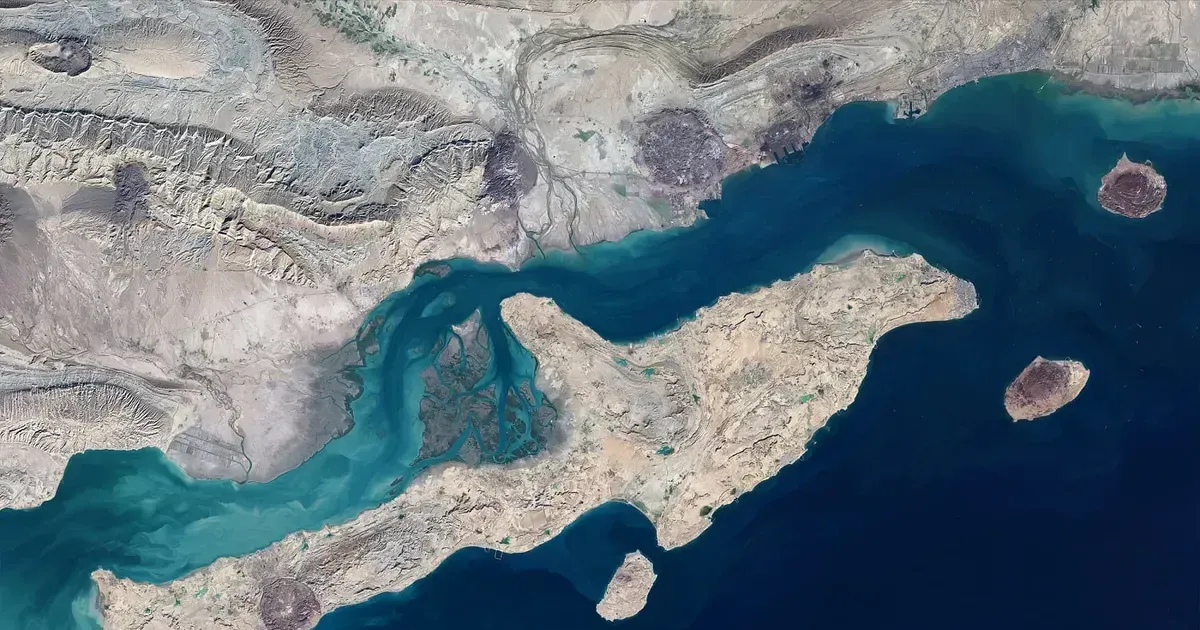
Persian Gulf shipping lanes experienced increased tension as naval assets moved into defensive postures. Diplomatic channels appeared to stagnate despite ongoing efforts to negotiate a cessation of hostilities. Markets reacted to the news of the Kuwait interceptions with a sharp rise in crude oil futures. Maritime security firms advised commercial vessels to avoid proximity to Iranian territorial waters during the transit through the Strait of Hormuz.
Backdrop of Major Combat Operations
Donald Trump announced on February 28, 2026, that major combat operations had begun, including large joint U.S.-Israeli strikes. The current phase of the war involves high-intensity electronic warfare and long-range missile exchanges. Military planners anticipated that Iran would use its drone fleet to harass regional neighbors who host American bases. Intelligence reports indicated that the radar sites destroyed over the weekend were providing early warning data to Iranian anti-ship missile batteries.
Iranian state media broadcast images of what it claimed were the remnants of the American predator drone. The wreckage was reportedly recovered in the waters near the entrance to the Persian Gulf. Foreign Ministry officials in Tehran warned that any further incursions would be met with an even broader military response. They cited the continued presence of American strike groups as the primary catalyst for the worsening security environment.
Forces on both sides are digging in for a protracted engagement. Neither party has shown a willingness to withdraw from the current posture of tit-for-tat strikes. The inclusion of Kuwaiti airspace in the combat zone complicates the diplomatic landscape for other Gulf states attempting to maintain neutrality. Strategic airfields across the region have been placed on high alert as the threat of further drone swarms persists.
Kuwait's Interceptions Widen the Cost of the Conflict
Kuwaiti air defenses could force a shift in the regional coalition's approach to Iranian containment. The engagement of targets over a neutral third party like Kuwait suggests that the geographic boundaries of this conflict are rapidly dissolving. Iranian tactical planners seem intent on proving that no regional base is immune to retaliation, regardless of which sovereign territory it occupies. This strategy serves to pressure U.S. allies into restricting the use of their facilities for offensive operations.
American military posture must now account for a distributed threat that spans the entire northern coast of the Arabian Peninsula. If radar sites and drone hubs can be rebuilt as quickly as they are destroyed, the U.S. may find itself in an expensive cycle of attrition. The reliance on expensive interceptor missiles to down low-cost Iranian drones creates a fiscal imbalance that benefits Tehran in a long-term struggle. Naval commanders in the Fifth Fleet face the constant challenge of protecting slow-moving commercial assets while maintaining their own defensive shells.
Strategic depth for Iran relies on its ability to use proxy networks and asymmetric hardware. By striking at the electronic infrastructure of these networks, the Pentagon aims to blind the IRGC before a larger coordinated attack can occur. The risk of a miscalculation grows with every missile fired over a civilian population center. Hard choices lie ahead for regional leaders caught between the warring powers.