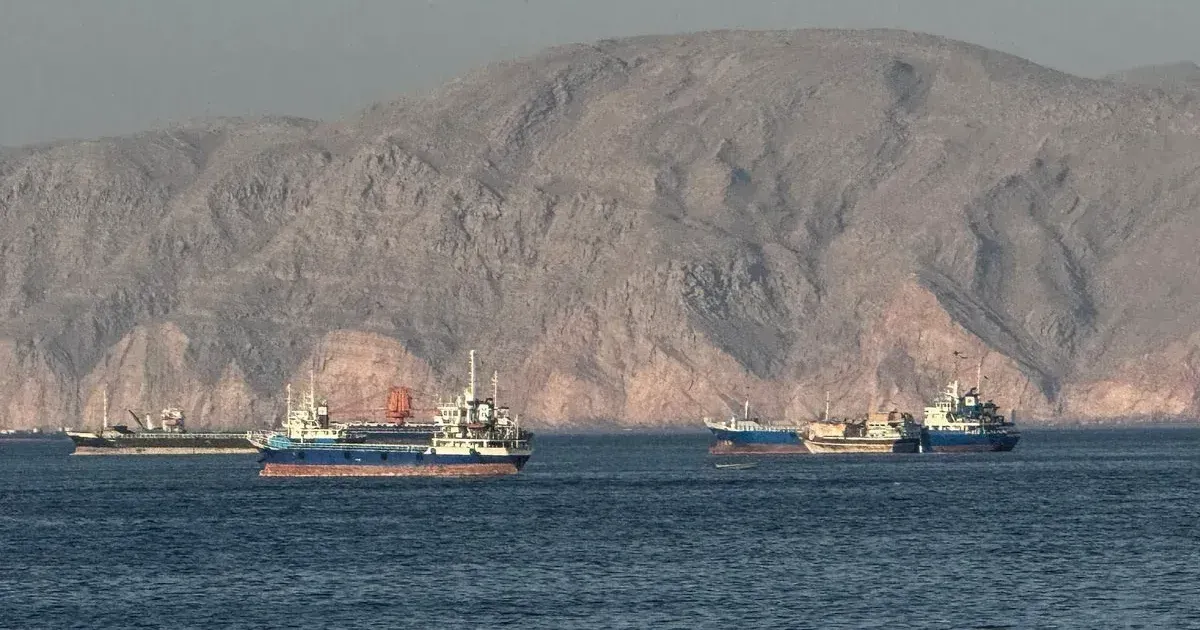
American forces struck a Bandar Abbas military control facility as the United States tried to contain renewed fighting around the Persian Gulf. Defense officials described the operation as a defensive measure tied to threats against naval assets and commercial shipping.
The operation was confirmed on May 28, 2026, after a series of engagements involving Iranian drones, regional air defenses and sites linked by U.S. officials to missile or maritime threats. The strike marked another major breach in a ceasefire that diplomats are still trying to preserve.
Bandar Abbas is a major Iranian port and a key hub for naval activity near the Strait of Hormuz. U.S. officials said the targeted facility supported coordination of drones and missile systems, though Tehran is expected to dispute both the characterization and the legality of the strike.
Kuwait Reports Hostile Projectiles
Kuwaiti officials said national air defenses responded to hostile missiles and drones as alarms sounded across the country. Authorities did not immediately confirm casualties, and damage assessments were still underway near sensitive installations.
Kuwait's military said air defenses were battling "hostile" missiles and drones as alarms sounded across the country.
The incident widened concern that fighting tied to Iran could spill across the Gulf even when the primary combatants describe their actions as defensive. Residents in Kuwait City reported visible intercepts, while security forces urged civilians to follow shelter guidance.
Hormuz Remains the Strategic Center
The Strait of Hormuz remains the central military and economic concern. U.S. planners have focused on mine-laying boats, missile sites and drone infrastructure that could threaten tankers or naval escorts in one of the world's most important energy corridors.
Commercial shippers are already operating under higher insurance costs and tighter routing guidance. Even limited strikes can affect market expectations if companies believe the waterway is moving from a guarded corridor to an active combat zone.
Ceasefire Diplomacy Faces New Pressure
Diplomatic efforts to maintain the ceasefire continue, but each new strike makes the framework harder to defend. Washington says it is acting against imminent threats. Tehran says U.S. actions are provocations that undermine talks.
The war has damaged infrastructure on both sides of the Gulf, and the latest operation shows how quickly a temporary truce can become a cycle of tactical responses. Negotiators now have to address not only the original conflict but also the incidents created while the ceasefire is supposedly in force.
Bandar Abbas Strike Tests Whether Tactical Denial Can Restore Restraint
The interception of Iranian drones and the strike on the Bandar Abbas facility point to a more active denial strategy by U.S. forces. Rather than waiting for hostile systems to reach ships or bases, commanders appear willing to target infrastructure they say enables those attacks.
That posture may reduce immediate threats, but it also increases the burden on regional air defenses and raises the risk of miscalculation. Protecting shipping lanes, Gulf cities and coalition assets requires different systems, and sustained pressure could stretch available missile-defense capacity. The immediate question is whether the Bandar Abbas strike measurably disrupts launch activity or instead gives Tehran another reason to answer through drones, missiles or maritime pressure.
The operation also puts pressure on U.S. messaging. Officials are describing the action as defensive, but repeated strikes inside Iran can be read by Tehran and regional governments as an expansion of the campaign. That gap between intent and perception is where escalation risk often grows.
Kuwait's reported air-defense activity adds urgency because it suggests that neighboring states may have to absorb spillover even when they are not central parties to the conflict. Gulf governments will want reassurance that defensive coordination can protect civilians without turning their territory into a wider battlefield.
Energy markets will watch the pattern rather than a single strike. If shipping lanes remain open and attacks decrease, the operation may be treated as a contained response. If drones, missiles or mine threats continue, insurers and shippers will price the Gulf as a more persistent combat risk.
For diplomats, the immediate task is to rebuild a minimum level of restraint. That could mean clearer notification channels, limits on certain target sets or a renewed commitment to keep commercial shipping separate from military retaliation. Without that work, each defensive action could become the basis for the next round of force.
The military balance is also becoming harder for regional governments to manage. Kuwait, Bahrain, Qatar, Saudi Arabia and the United Arab Emirates all depend on air-defense coordination, but each has different political exposure if the confrontation widens. A defensive network can intercept projectiles, yet it cannot remove the diplomatic cost of becoming part of the battlefield. That is why the Bandar Abbas strike will be judged by what follows. A reduction in launch activity would support Washington's argument that the operation disrupted an immediate threat. A new wave of drones or missiles would suggest that tactical success has not restored strategic control.